
GUEST COLUMN:
Richard Selby
Founder and MD
Pro Steel Engineering

For many SMEs, defence can look like a market built for someone else: too large, too complex, too regulated and too far removed from the daily reality of running a business that is already busy serving other sectors.
I understand that view because, 12 to 18 months ago, I was asking some of those questions myself.
Pro Steel Engineering is a 14-year-old business based in Pontypool. We fabricate and construct steel structures, from small parts through to stadia extensions and bridge works, and we have built the company around a broad range of bespoke manufactured products. We construct across the UK, and in recent years we have also started exporting into Europe and beyond, most recently contributing to the reconstruction of a bridge in Ukraine as part of the recovery from the ongoing war.
We are not new to difficult markets. We work in heavily regulated environments, including airports and rail, where the process of getting equipment into the work front can be bureaucratic, challenging and time-consuming. That experience shaped our thinking when we began to look seriously at defence, because while we knew there would be barriers to entry, we also recognised that some of those barriers were familiar.
As the new industrial strategy was being formed, we became aware of the growing interest in defence and made a strategic decision that it was a market we needed to engage with.
Defence would be different, but it was not so different from the regulated sectors we already served that we should automatically rule ourselves out.
The first part of that journey was not about chasing contracts. It was about positioning ourselves properly, understanding the landscape and spending time with the people who could help us make sense of it. Over the course of around 12 months, we got to know tier one contractors, spoke to the MoD and worked with Business in Focus to share ideas about how businesses in Wales could make the most of the opportunities ahead.
When you do not know the market you are stepping into, there is inevitably some fear. There is also commercial risk, because entering a new sector can cost money, take time and distract from work you already understand. For SMEs, that is not a small consideration, particularly when many are already dealing with pressure on margins, capacity and confidence.
What I have learned is that the defence opportunity may be broader, and in some ways simpler, than many businesses assume. At first, I thought very narrowly about how a steel welding and fabrication business could possibly fit into defence. Would we be making parts for ships? Would we be making chassis for vehicles? Would the opportunities be highly specialised and far removed from what we already do?
In reality, the starting point is much more practical. It is about understanding what you do now and how that might apply within the defence market. In our case, we work in infrastructure outside defence, so it follows that our first step into defence is infrastructure inside the defence estate.
Our first contract is renewing and remediating structural steel work within one of the defence estates in the UK. If it were outside defence, it would not be an especially unusual contract for us, but because it is inside defence, it gives us an opportunity to learn how that environment works, understand the challenges, build credibility and use that experience as a platform for larger contracts in future.
That is a useful lesson for other SMEs looking at defence for the first time. Your first move does not have to be dramatic, and it does not have to involve a complete reinvention of your business. It may be a modest contract that allows you to understand the client, the process, the standards and the expectations, before other opportunities develop.
The UK Government’s Defence Investment Plan, alongside the £50 million Wales Defence Growth Deal, makes this a particularly important moment for Welsh businesses. The Growth Deal is intended to make it easier for Welsh SMEs to gain greater direct access to defence contracts by ensuring they have the proper clearances and access, rather than always having to go through prime contractors for certain classified work. That is significant, because the procurement process has often felt like one of the biggest barriers.
There is still work to do. Defence procurement has a reputation among SMEs for being difficult, arduous and time-consuming, and for many firms it has simply felt easier to win work elsewhere. Government has a role in simplifying that process and having honest conversations with businesses about whether defence will work for them or not, because nobody benefits from wasting time.
SMEs also have responsibilities of their own. They need to do their homework, understand the opportunities, listen carefully and learn what the Defence Investment Plan means in practice. They also need to understand what the tier one contractors are doing, because for many businesses that may still be the quickest route to market.
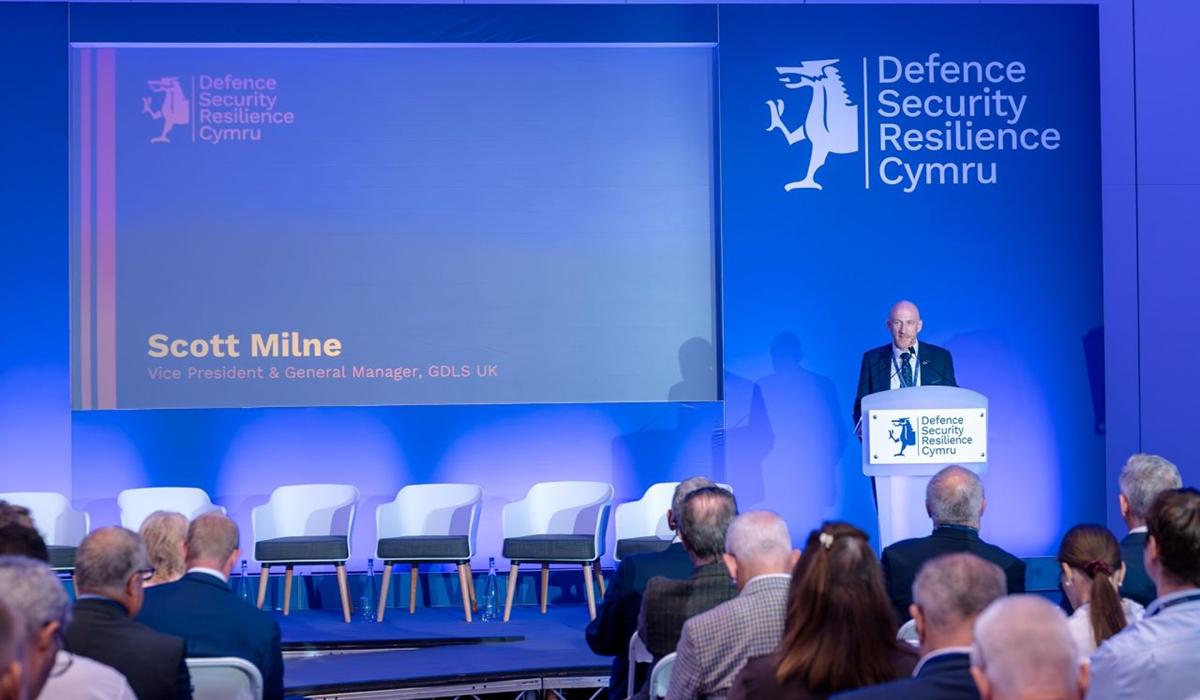
That is why the Defence Security Resilience Cymru event at ICC Wales in September has such practical value. For SMEs that are interested but unsure where to start, it offers a chance to hear from the experts, meet the right people and understand the routes into the market.
My advice is straightforward. Do not assume defence is beyond you, but do not assume it will open up without effort either. Start by looking at what your business already does well, understand where that capability could apply, and spend time in the room with the people who can help you find your place.
Richard talks about this and more on the Defence Security Resilience Cymru podcast. Listen here:

Find out more about Defence Security Resilience Cymru, being held at ICC Wales in Newport on September 3 and 4 2026, here: https://www.dsr.cymru/