GUEST COLUMN:
Richard Morgan
Defence Consultant
Business in Focus

There is no shortage of interest among Welsh SMEs in defence, security and resilience. In many cases there is real eagerness, driven by the scale of government investment, the profile of the sector and the growing recognition that smaller businesses can play a much larger role than they may previously have assumed.
That enthusiasm is welcome, but it has to be matched with preparation. Defence is not a market where capability alone will carry a business through. A company may have a strong product, a strong service or a strong track record in another sector, but it still needs to understand the rules, the customer, the procurement route and its own place in the supply chain.
That is not a reason to be put off. It is a reason to approach the opportunity properly.
There has already been progress in recognising that defence procurement has become too difficult for many SMEs. The Wales Defence Growth Deal, alongside wider initiatives from Westminster, has sent a clear signal that the Ministry of Defence understands the need for a more pragmatic approach. The creation of the Defence Office for Small Business Growth is one example of that shift. Its purpose is to support SMEs on their path into the defence sector, and that kind of dedicated focus did not exist in the same way before.
For Welsh businesses, that is encouraging. There is also a strong fit between Wales’ stated role in areas such as drones, uncrewed vehicles and autonomous systems, and the wider direction of travel across NATO. The presence of the NATO procurement team at our Defence Security Resilience Cymru event in September adds another dimension, particularly for companies with ambitions in drone-related technologies or autonomous systems.
The opportunities are significant, but businesses should keep their eyes open. Defence and security projects can take time to come through, and SMEs need to make sure they are not betting the future of the business on a single opportunity that may move more slowly than expected. The stronger approach is to prepare well, build visibility, understand the process and develop a realistic route into the market.
One of the biggest mistakes a business can make is to assume that the best product will always win. The product has to work, of course, but the customer also needs to know that the supplier is reliable, compliant and able to deliver consistently. There are many products in defence that continue to be purchased because they do the job reliably, the end user understands them, and the supplier does not let the customer down.
For new entrants, the first step is often getting the organisational structure right. That may include ISO 9001, Cyber Essentials or Cyber Essentials Plus, appropriate security awareness, export control understanding and a clear view of what level of compliance is actually required. Businesses should not become fixated on security clearances before they know whether they need them. Unless a company is dealing with a particular level of classified material, which is relatively unusual, it may not need personal security clearance at the outset. It will, however, need rigour.
That rigour becomes even more important when export enters the picture. Exporting products with a security classification can add another layer of requirements, and while that is not insurmountable, it does need to be handled properly. The penalties for getting it wrong can be serious, and the risk to the business is real if those issues are not addressed from the start.
Once a business has begun to get itself ready, the next stage is understanding the customer and the supply chain. SMEs should spend time building relationships, listening to requirements and identifying where their product or service fits. Not every company should expect to knock directly on the door of the MOD, and not every business will supply a prime contractor directly. In many cases, the right opportunity may sit further down the chain, providing a component, service or capability that feeds into a larger system.
That position is still valuable. A widget that fits into a subsystem, which then becomes part of a major vehicle or platform, can be essential to delivery. The difficulty comes when a business tries to sell at the wrong level of the supply chain. Knowing where you fit is one of the most important parts of becoming credible in this market.
There is a great deal of support available to help SMEs make that journey. Organisations such as ADS can help businesses understand routes into the UK defence sector and international opportunities, while portals, tender lists and registrations can help companies become visible to contracting organisations.
At Business in Focus, we support businesses across planning, strategy, bids, funding, supply chains, exports, finance, HR, skills, apprenticeships and decarbonisation. In defence, that support can help SMEs navigate what can otherwise feel like a maze of rules, procedures and requirements. Recent procurement changes also mean businesses need to understand how tenders are evaluated, including areas such as social value, local employment, community benefit and wider contribution.
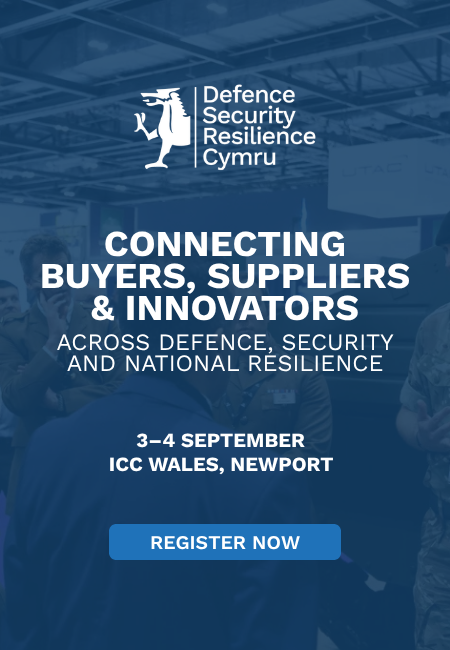
Defence Security Resilience Cymru at ICC Wales on September 3 and 4 is designed to bring much of this together. It will help businesses understand the steps they need to take, the partners that can support them and the opportunities now emerging across defence, security and resilience.
Welsh SMEs should be ambitious about this market. They should also be disciplined. The businesses that prepare properly, understand the rules and build the right relationships will give themselves the best chance of turning today’s interest into tomorrow’s contracts.
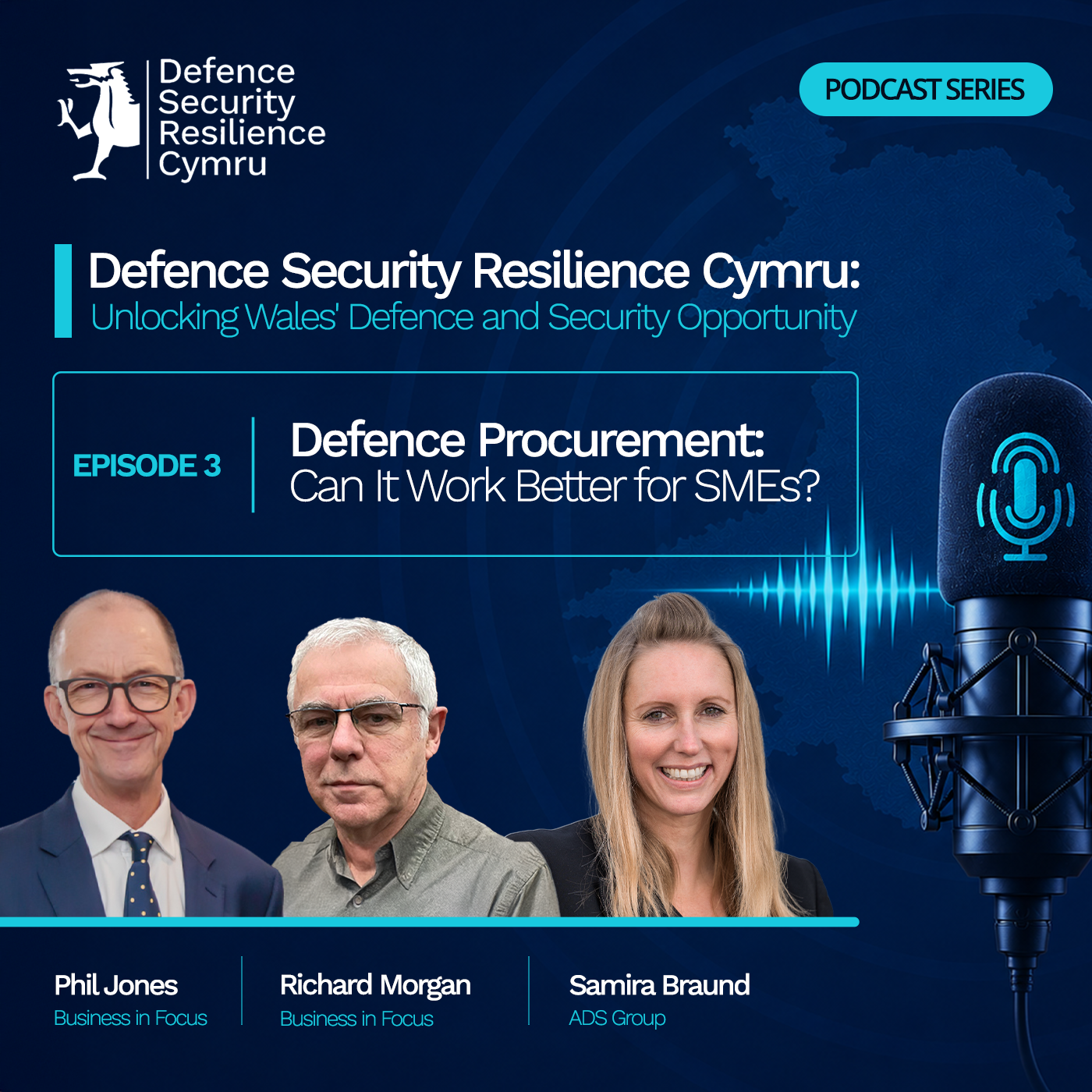
Richard talks about this and more on the Defence Security Resilience Cymru podcast. Listen here:

Find out more about Defence Security Resilience Cymru, being held at ICC Wales in Newport on September 3 and 4 2026, here: https://www.dsr.cymru/