


GUEST COLUMN:
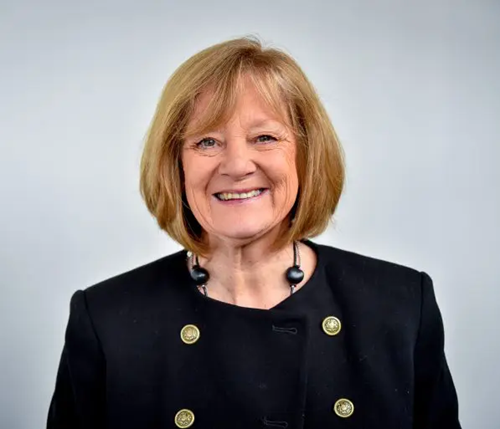
Dr Helen Howson
Director
Bevan Commission
As a new era for Wales gets underway following the historic Senedd election in May, Aneurin Bevan’s legacy demands more than preservation – it demands courage.
As Plaid Cymru set out in its manifesto: ‘The NHS, once the envy of the world and the pride of our nation, now faces relentless demand and overstretched resources.’ If the NHS is to resume its place as the jewel in the crown, we have a moral and ethical duty to ensure it is sustainable, resilient and genuinely fit for the future. That won’t be achieved by repeating what we’ve always done or waiting for permission to act.
Nearly 80 years on from its creation, the NHS is operating in a world its founder could never have imagined. Rising long‑term conditions, demographic change, workforce pressures and rapid technological advances mean that standing still is no longer an option. The question is not whether the NHS should evolve, but whether we are willing to shape that evolution together.
Some argue the NHS must remain untouched. But while its founding principles are timeless, the way we deliver care needs continually to adapt. The real challenge is how we bring people, professionals and communities into the conversation, so the system reflects the needs of today and tomorrow.
For decades, we’ve known what needs to change:
- a stronger focus on prevention
- smarter use of technology
- redesigned services
- new ways of working
Yet turning evidence into consistent practice across Wales remains difficult.
Wales has the ingredients to lead. We are the right size, with strong networks and a passionate, skilled workforce. Through our Bevan Exemplars and Fellows, we see daily the creativity and commitment that already exists. But without collective purpose, the risk is clear: the NHS will slowly wither while poverty, sickness and inequality deepen. So what is holding us back?
To move forward, we must shift our mindset. Health is everyone’s business. Around 85% of what shapes our health happens outside the NHS in our homes, workplaces, communities and environment. If we want people to live healthier for longer, we must make healthy choices the easy choices.
The NHS excels at treating illness, but lasting wellbeing depends on addressing the wider determinants of health: education, employment, housing and community resilience. “Health in all policies” must become reality, not rhetoric.
Change is never easy. Top‑down directives rarely create lasting transformation, and the public can be wary of change especially when it touches cherished local services. Yet our conversations with communities show something different: a real appetite for honesty, involvement and more radical thinking when people feel respected and heard.
We must get better at listening. Not just consulting but working with people as partners. When frontline innovators are trusted and supported, new ideas flourish, collaboration grows and change becomes something people own rather than resist.
We must also be more prudent, creative and integrated. Our recent work on system flow and “silly rules” shows how outdated practices still waste time and energy. If we are serious about improvement, we must stop doing what no longer adds value.
The ambition is clear: healthier, thriving people and communities across Wales. Achieving it requires collective effort; not passive observation, but active participation.
The future of health and care will not be secured by preserving the past unchanged. It will be shaped by our willingness to learn, collaborate and, above all, be brave enough to change. This is the heart of Health Matters: recognising that the choices we make today will determine whether our system survives, or truly thrives, tomorrow.