





The commercial property market in Wales is in a period of significant transition.
The sector, like many others, is navigating the aftershocks of several recent economic and social upheavals. From the enduring impacts of the pandemic to the reverberations of political shifts, the market is experiencing a profound transformation.
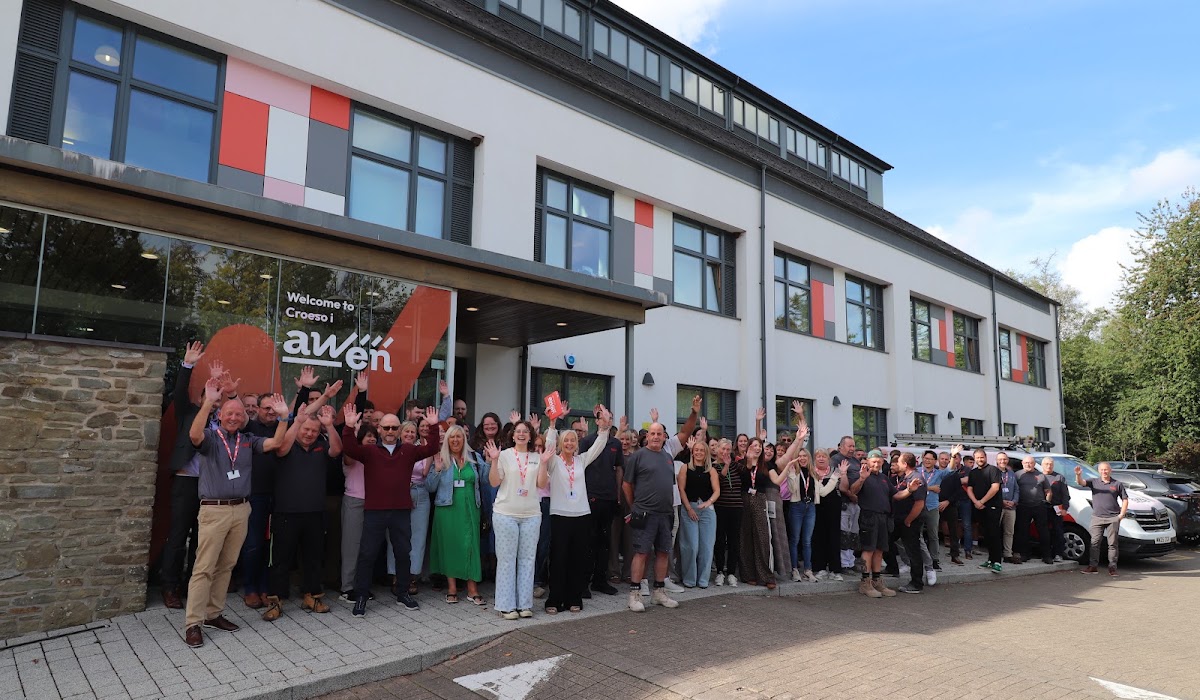
The pandemic forced a swift and significant shift in the way businesses operate. Remote working became the norm, leaving office spaces largely underutilised. Now, as we transition to a post-pandemic world, companies are re-evaluating their need for physical office spaces.
Hybrid working models, which blend remote and in-office work, have become increasingly popular, resulting in a reduced demand for traditional office spaces. This change has been slow but steady, with businesses gradually adjusting to new operational norms.
The commercial property market in Wales is also feeling the impacts of broader economic and political events. Interest rates, in particular, have seen a marked increase – albeit the most recent movement has been downward. Rises beginning in December 2021 had a twofold effect on the commercial property market. Firstly, higher interest rates have increased the cost of borrowing for property companies. This has put a strain on those with existing loans and made new investments more expensive. Secondly, the investment landscape has had to adapt to this higher rate environment, leading to more cautious and strategic investment decisions.
The demand across various commercial property sectors has been uneven. The office sector has been particularly hard hit, with demand remaining patchy and sporadic. Many businesses are downsizing their office spaces or opting for flexible leasing arrangements as they continue to navigate post-pandemic working practices.
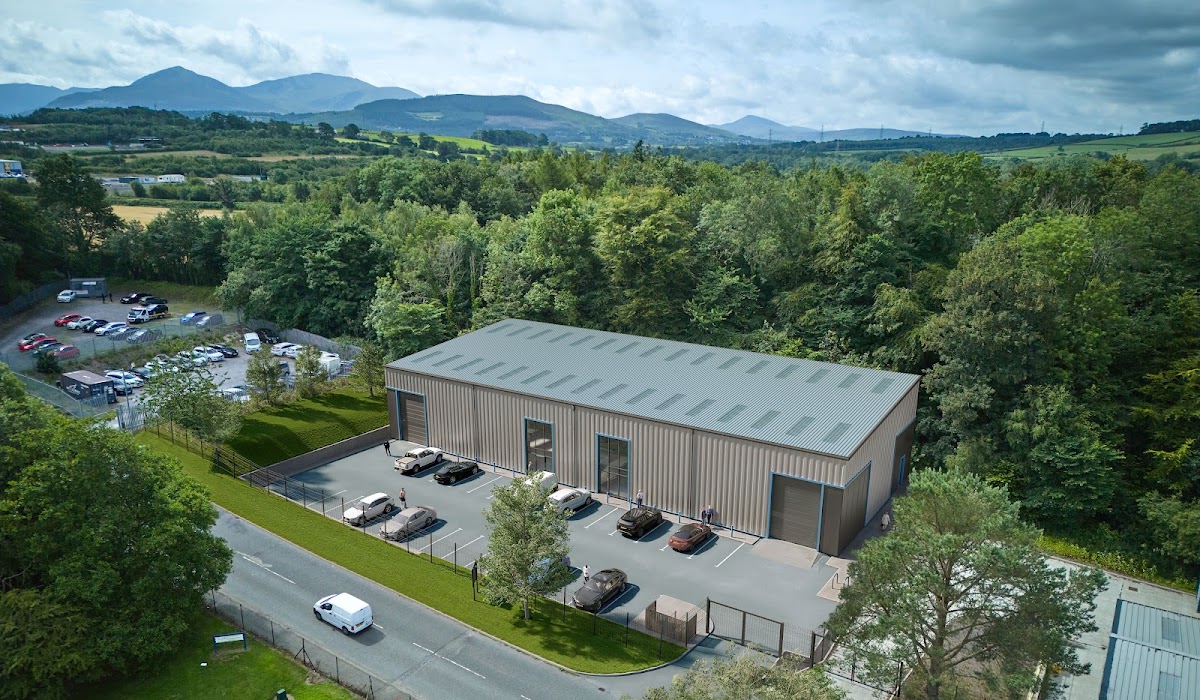
In contrast, the industrial sector is experiencing far better prospects. The rise of e-commerce and the need for logistics and distribution centres have driven demand for industrial spaces. Warehouses and distribution hubs are in high demand as businesses strive to optimise their supply chains and meet the growing online shopping trend.
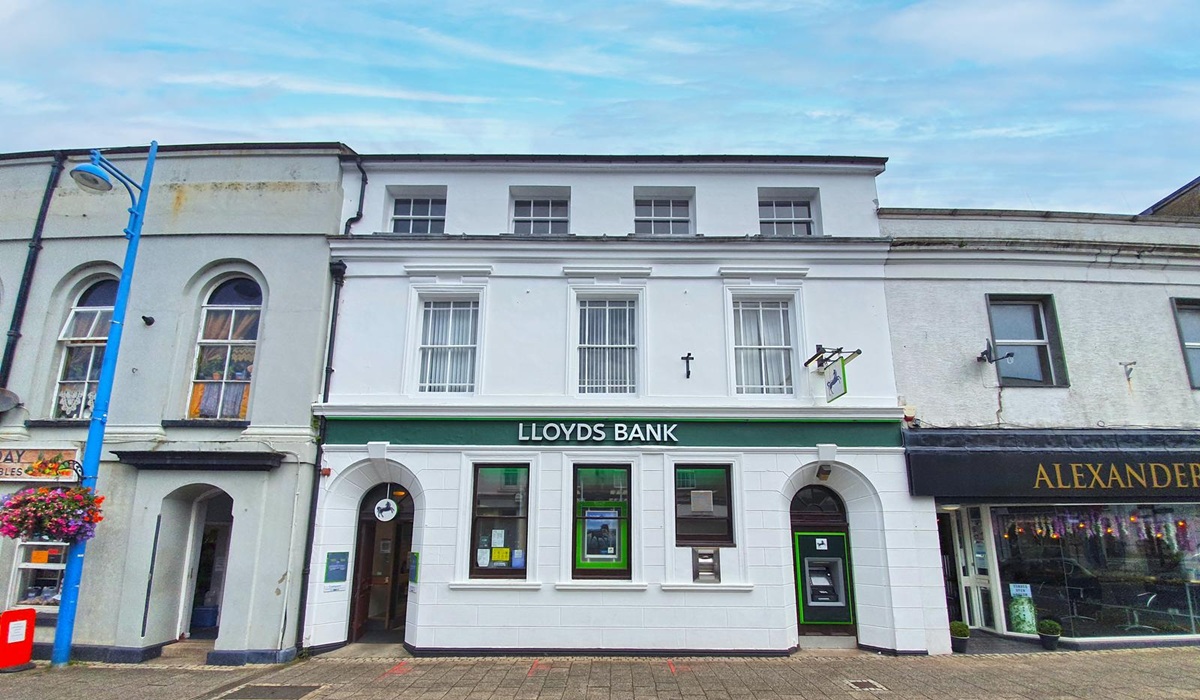
The retail and leisure sectors are also part of this complex landscape. Retail spaces have been under pressure, with changing consumer habits and the rise of online shopping impacting traditional brick-and-mortar stores. However, there is a sense of cautious optimism as businesses innovate and adapt to new consumer preferences. Leisure spaces, too, are adjusting as the public's appetite for experiences and social activities gradually returns.
While the current state of the commercial property market in Wales presents challenges, there are reasons for optimism. The industrial sector's strong performance is a positive indicator, and the gradual adaptation to new working and consumer habits suggests that other sectors will find their footing in due course.