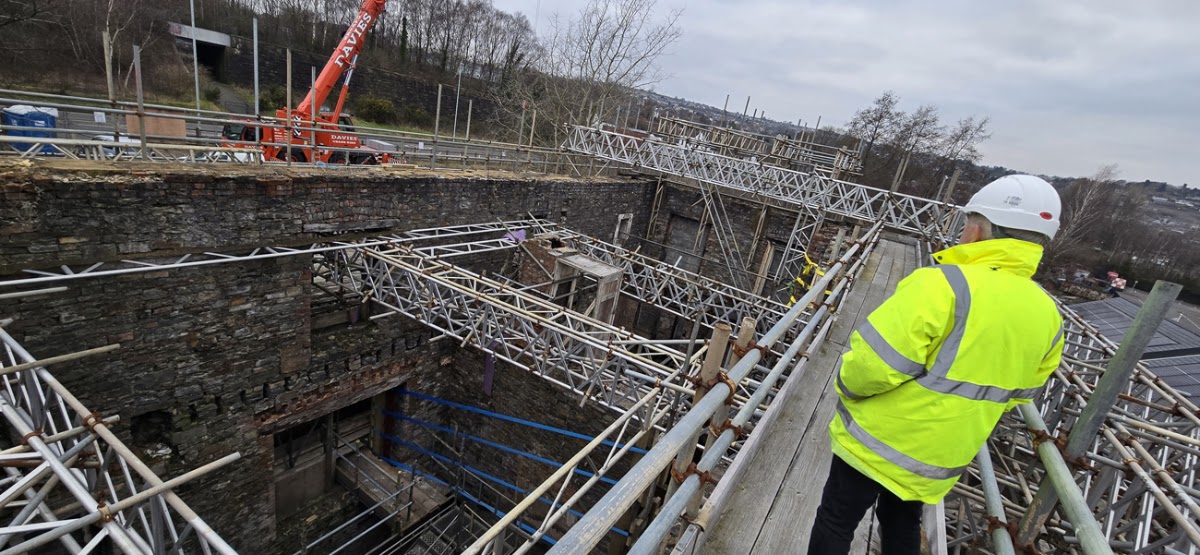
Work is progressing on the transformation of a unique Swansea structure.
The Laboratory Building at the historic Hafod Morfa Copperworks site is being reconstructed by John Weaver Contractors in a project driven by Swansea Council.
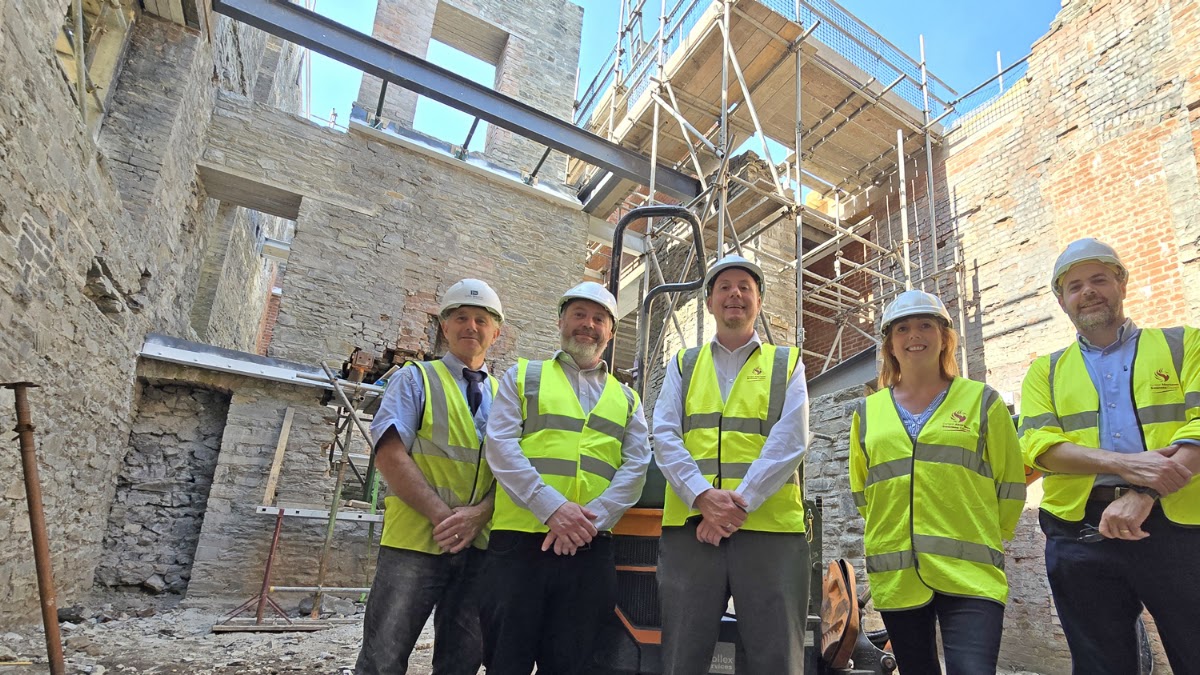
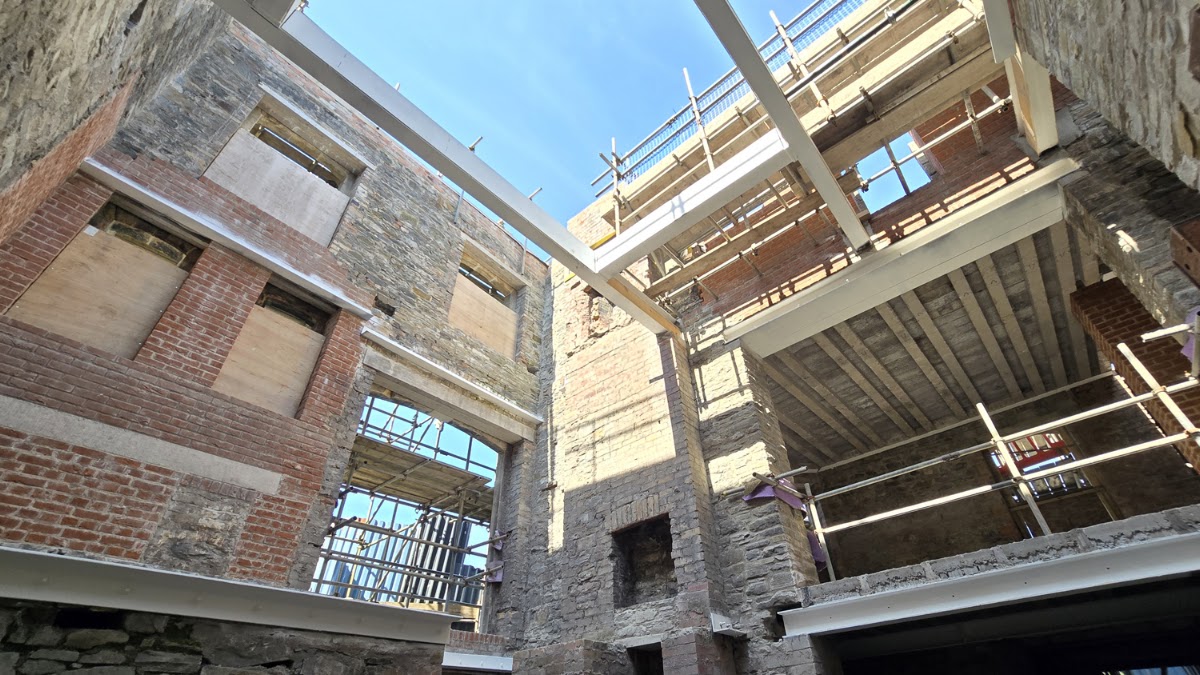
The latest significant step forward is that new floors are starting to go in. When work started on the dilapidated site in late 2024, the original floors had gone.
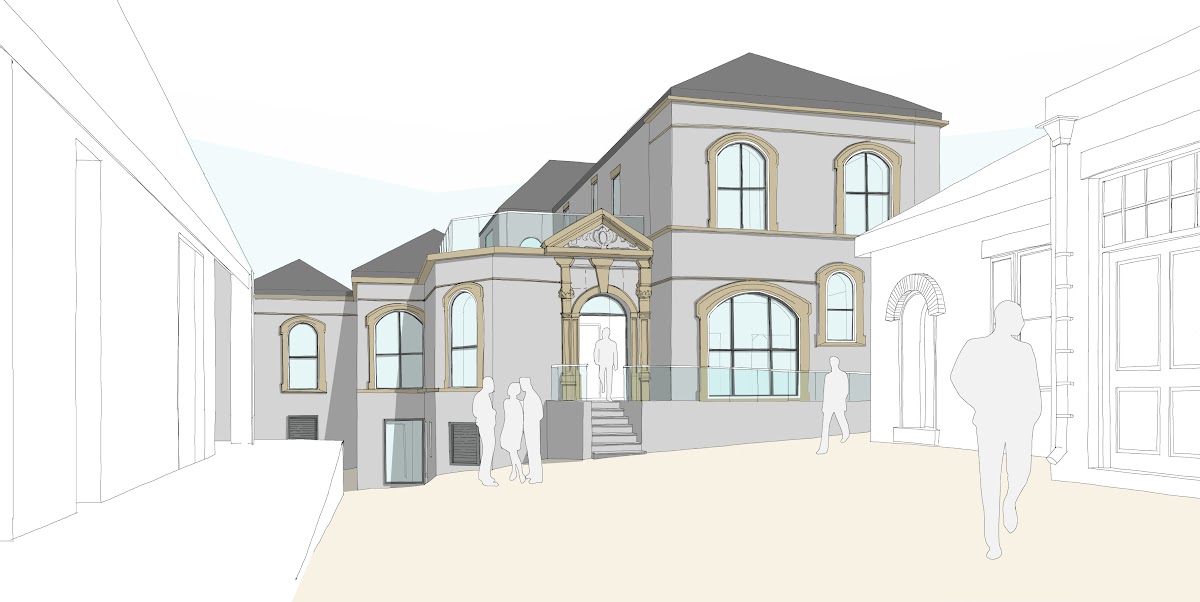
Future uses of the structure, next to Landore’s Penderyn Whisky base, could include it becoming a restaurant for more than 100 diners. It will also be suitable for a range of alternative uses.
The work is part of the council’s ongoing programme to regenerate the Lower Swansea Valley. It’s being helped by funding from the UK Government’s Local Regeneration Fund.
Council leader Rob Stewart said:
“We’re bringing the historic Laboratory Building back into use so and it’s great to see the floors going in and the building coming back to life.
“The copperworks site has the potential to become a major leisure destination, building on its status as a key part of Swansea’s heritage.
“We’re pushing forward with the restoration of the Tawe River corridor, and Lower Swansea Valley Project. Penderyn are there, the two historic engine houses are being restored, and we have plans for more boating pontoons on the river.
“A new river walkway is planned, new facilities will be created along the river, and a new major tourism destination is set to open nearby.
“The Swans plan to create new experiences for fans at the stadium – so this area has a fantastic future as part of the better Swansea we’re building.”
Over the past few months, the contractors have been sensitively repairing and enhancing the Laboratory Building’s fabric. The aim is to fully repair and refurbish the exterior and key internal elements.
A new Welsh slate roof is the next significant step.
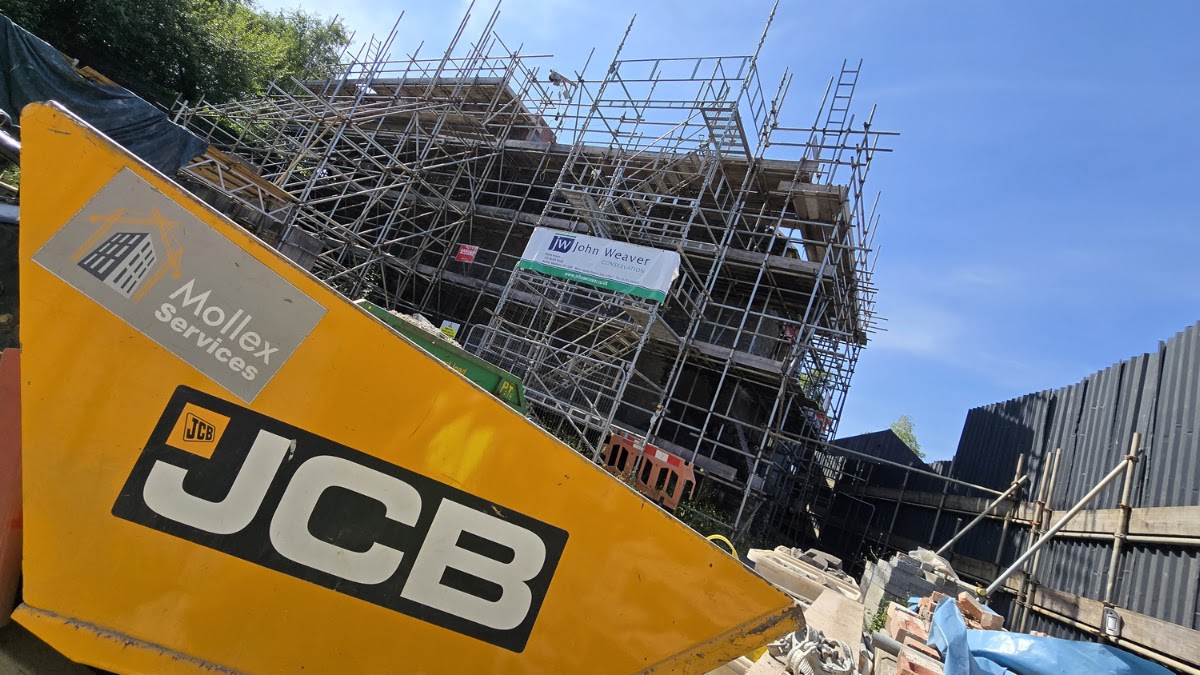
John Weaver Contractors began work on-site around 20 months ago and the project is due to be complete this year. At that point it will be ready for an internal fit-out by the business selected to take it on. The council’s search for an end tenant for the building will progress shortly.
In the copperworks’ heyday, copper ore from around the world was smelted in Swansea site, putting the area at the centre of a global web of copper trading connections.
The Laboratory Building was probably used to test the quality of copper ore coming into the copperworks that helped put Swansea on the world’s industrial map.
The two- and three-storey structure, with ornate windows and a fine stone doorcase, stands next to the Morfa Gates, once a key copperworks entrance.
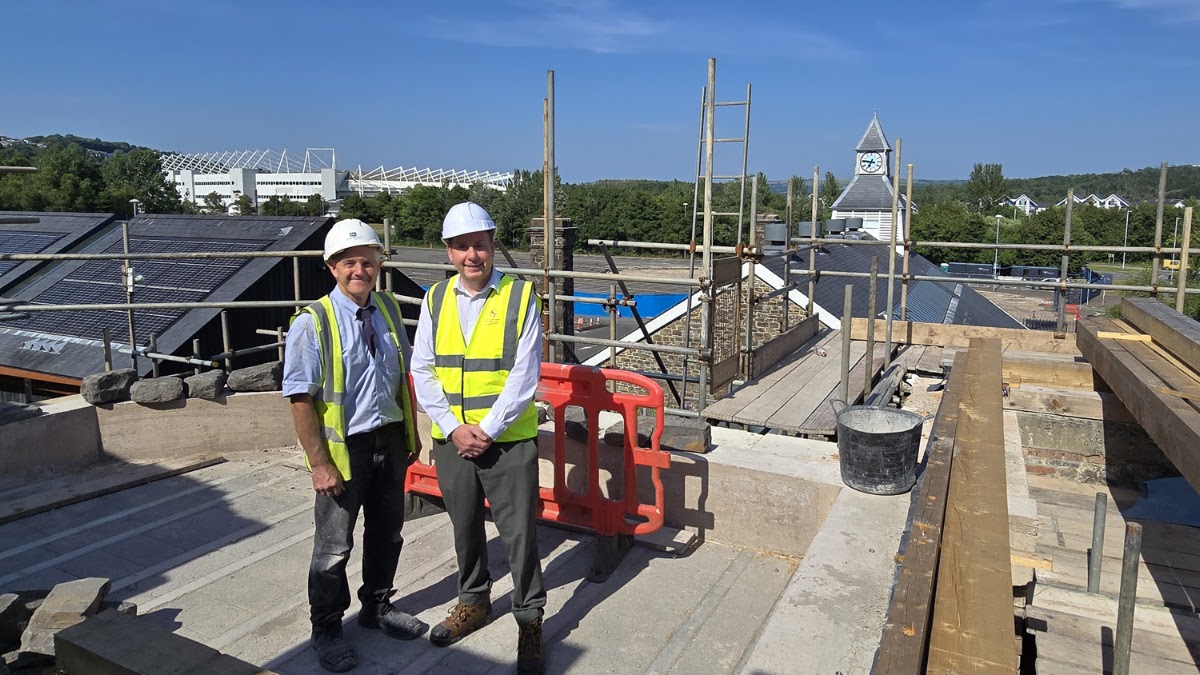
Partners involved with its transformation include GWP Architecture and Coreus Group.
Other heritage buildings already saved for Swansea include the Palace Theatre building and the Albert Hall.
The transformations are part of the council’s £1 billion regeneration of Swansea. This includes a range of other Lower Swansea Valley schemes including new pontoons on the River Tawe, the reinstallation of Morfa’s historic bascule bridge, the revamp of the Vivian and Musgrave Engine Houses and the transformation of the V&S No.1 Locomotive Shed.