




GUEST COLUMN:
Councillor Rob Stewart
Leader
Swansea Council

Swansea’s regeneration is showing how public investment can create the conditions for private capital to follow.
The city centre needed renewal on a scale that the market was unlikely to deliver alone. By committing early to major infrastructure, leisure, public realm and commercial projects, the public sector has given investors clearer evidence of Swansea’s direction and the confidence to commit alongside it.
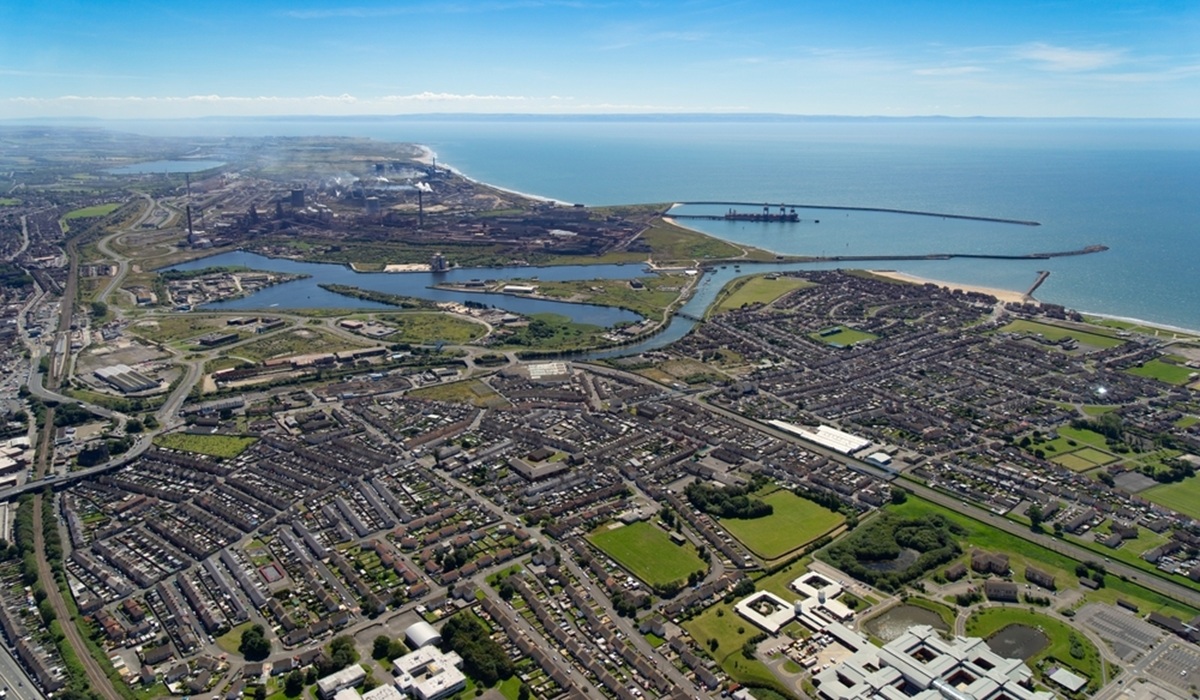
That approach is now changing the city’s commercial landscape. Around 70% of the city centre fabric has either been regenerated or is included in active development plans, supported by a wider pipeline worth more than £1 billion.
Swansea was heavily bombed during the Second World War and much of its centre was rebuilt during the 1950s. Seventy years later, large parts of that infrastructure were showing their age and no longer reflected what residents, businesses or visitors expected from a modern city.
We therefore took the decision to intervene at scale, not simply to replace old buildings, but to reshape the role of the city centre itself.
The retail-led model of the 1960s and 1970s has changed everywhere. Retail remains important, but successful city centres now need a broader mix of leisure, culture, employment, education, housing and reasons for people to spend time there throughout the day and into the evening.
Swansea Building Society Arena has been central to that shift. Delivered as part of a £135 million investment, it has already welcomed more than one million visitors and brought major shows and events to the city.
Its value extends beyond the performances taking place inside. It creates footfall, supports hospitality businesses and gives investors greater confidence in the surrounding area. It also allows people living in the region to enjoy experiences that might previously have required a journey elsewhere.
The next stages of regeneration will build on that progress. Our partnership with Urban Splash covers seven strategic sites. The plans include a new public sector hub, a skills campus, and mixed-use developments combining homes, offices and retail. Bringing education and skills into the city centre will increase activity while strengthening links between learning, employment and business growth.
We are also addressing the shortage of high-quality office space. Unlike many towns and cities, Swansea did not enter the period after the Covid pandemic with an oversupply of modern office accommodation; it had a deficit.
The evidence suggests that when the right space is created at the right standard, businesses will occupy it. Office values have risen substantially since 2017, narrowing the viability gap and bringing the market closer to a point where more developments can proceed without public support.
That is the wider purpose of early public investment. It can address areas where the market cannot initially act alone, establish confidence and improve the conditions for private capital to follow.
More people living in the city centre will strengthen the same cycle. Swansea has historically had fewer city centre residents than comparable places, so increasing the supply of apartments and professionally managed rental accommodation forms an important part of the strategy.
A larger residential population supports shops, leisure venues and hospitality businesses beyond traditional working hours, while helping create the level of activity that encourages further investment.
The progress already made is beginning to change perceptions of Swansea and the commercial calculations made by investors. The city centre is becoming a place in which people can live, work, learn and enjoy themselves rather than one defined predominantly by retail.
Public investment has helped establish that direction. The next measure of success will be the scale of private capital it continues to attract and the economic activity that grows around it.