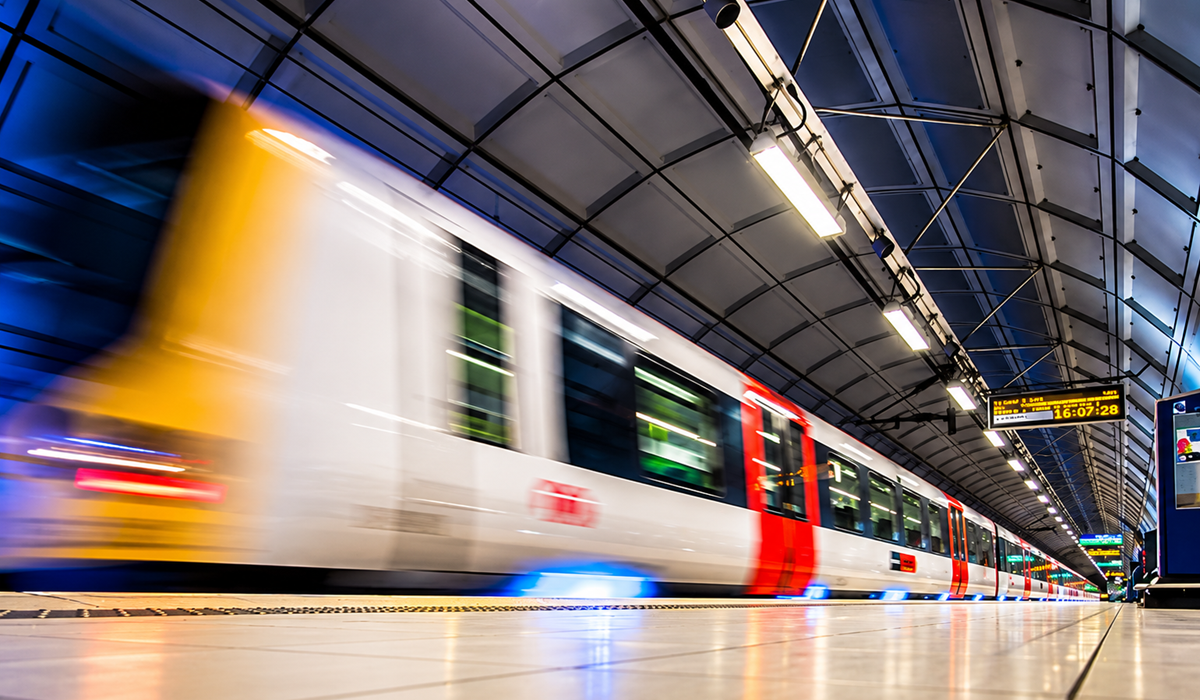
A major change to the way new trains could be financed across the UK has raised fresh questions about how future rolling stock investment will work in Wales as the Welsh and UK Governments reshape their relationship over the rail network.
The UK Government has announced that publicly buying new trains will be considered as an alternative to the leasing model that has dominated Britain's railways for more than 30 years.
Under a new rolling stock and infrastructure strategy published on 28 September, Great British Railways (GBR) will consider public ownership, leasing and other financing arrangements on a case-by-case basis when procuring future trains. GOV.UK
The change could have implications for Wales because it comes while the respective roles of Great British Railways and Transport for Wales (TfW) are being established.
A Memorandum of Understanding agreed between the Welsh and UK Governments earlier this year provides for GBR and TfW to work through partnership arrangements covering the Wales and Borders network.
It also comes after significant Welsh Government investment in rolling stock.
Wales has been going through one of the largest fleet replacement programmes in its rail history, backed by around £800 million of investment in new trains. The programme includes new Class 197 trains and new Stadler fleets associated with the South Wales Metro and Core Valley Lines.
The UK Government's new strategy potentially changes the model for the next generation of investment.
For more than three decades, most passenger trains across Britain have been owned by specialist rolling stock companies and leased to operators. The Department for Transport says train leasing and maintenance currently costs taxpayers and passengers more than £4 billion annually, while rolling stock companies have paid more than £2.5 billion in dividends over the past decade.
Existing leases will remain, but leasing will no longer automatically be the preferred option when new trains are required.
Instead, GBR will assess whether buying trains outright could deliver better long-term value.
The announcement comes at a particularly important point for Welsh rail policy.
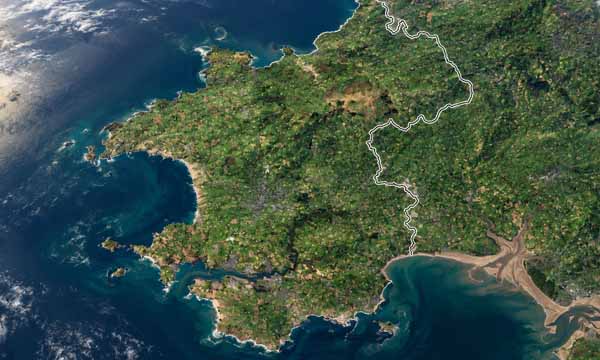
The Welsh Government began negotiations with Westminster this summer over greater control of rail, including what it described as a pathway towards full devolution, fairer funding and stronger Welsh influence over investment decisions. The Welsh Government says Wales accounts for around 10% of Britain's rail network by track length but received 1.5% of UK rail investment over the previous 15 years.
At the same time, the two governments have backed a long-term programme of potential rail improvements across Wales and the Borders which TfW has put at around £14 billion.
That makes the financing and ownership of future trains an important part of the emerging relationship.
The new strategy says GBR will increasingly plan rolling stock, track, depots and maintenance together, rather than treating trains separately from the infrastructure on which they operate.
For Wales, that creates questions around how future TfW fleet requirements will fit into GBR's national planning and procurement system, and where decisions over financing and ownership will ultimately sit.
The strategy could also present opportunities for the wider rail supply chain.
GBR intends to give greater consideration to jobs, skills and wider social benefits when awarding contracts, while developing a longer-term procurement pipeline designed to give manufacturers and suppliers greater certainty.
Future fleets are also expected to move progressively away from diesel, with battery-powered trains and further electrification forming part of the decarbonisation strategy.
Wales has already begun that transition, including the introduction of electric/battery/diesel tri-mode trains on the Core Valley Lines.
The bigger issue for Wales will therefore be not simply whether Britain starts buying rather than leasing trains, but how much influence Wales has over the decisions about the trains its network will need next, who specifies them, who pays for them and ultimately who owns them.