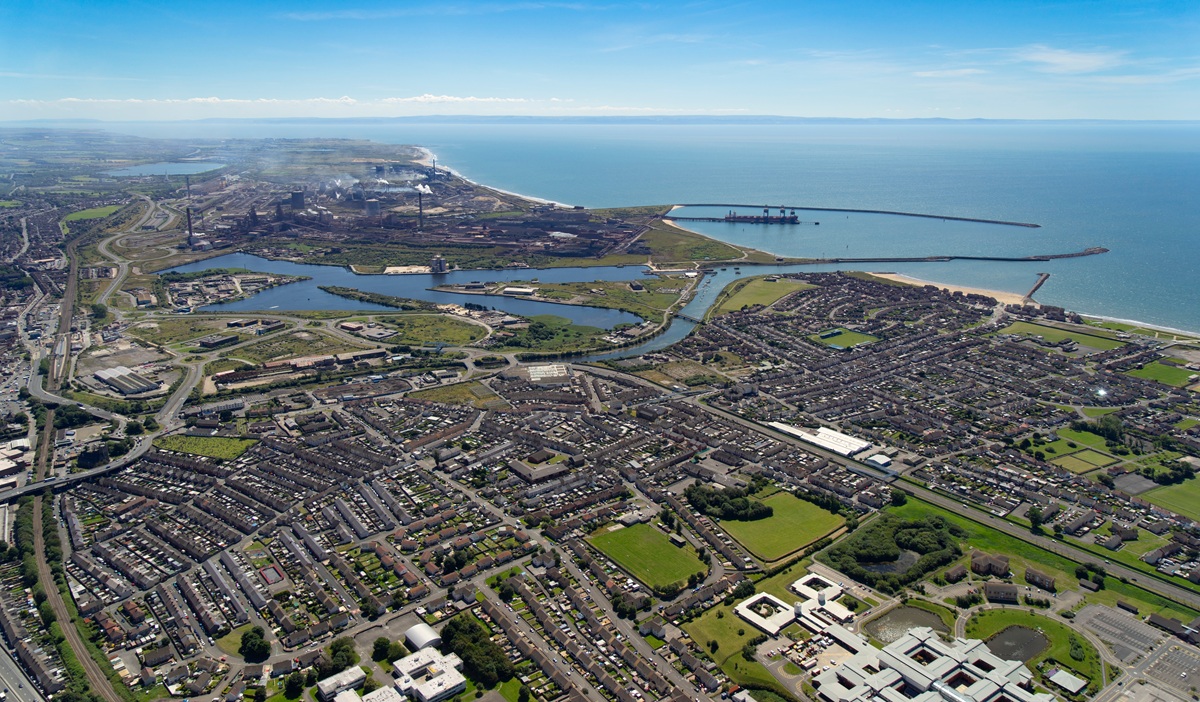


Young people in Neath Port Talbot are hearing about a future built around lower-carbon steel, renewable energy, advanced manufacturing and major infrastructure.
These opportunities could create rewarding careers and provide new reasons for talented people to build their futures locally. But ambition alone is not enough. Learners need to understand what the opportunities are, when they are likely to become available and how they can prepare for them through further study, vocational training, apprenticeships and employment pathways.
They need a career compass, not another promise.
Colleges can respond quickly to employer demand and we can adapt provision, work with industry and collaborate across institutions to build the skills required by a changing economy.
But we cannot responsibly recruit large numbers of learners for jobs that remain uncertain. Training decisions need reliable information about the occupations required, the number of roles expected, their location, the likely recruitment timetable and the opportunities available through apprenticeships and other work-based learning routes.
This is why Neath Port Talbot needs a clearer jobs and skills pipeline.
Major projects should provide workforce information before they reach the recruitment stage. That information should distinguish between jobs that are committed, those that are probable and those that remain aspirational.
Confidence levels matter because colleges, employers and learners make real decisions based on the signals they receive.
A young person choosing a course is investing time and hope in the possibility of a career. They deserve honesty about which opportunities are likely to materialise and when.
This does not mean colleges should wait passively for every project to become certain. We can invest in transferable capabilities that remain valuable across different industries.
Engineering fundamentals, fabrication, electrical skills, digital competence, project controls and industrial health and safety can support employment across manufacturing, energy, construction and infrastructure.
These are no-regrets skills: they give learners a broad foundation while allowing more specialised provision, higher-level technical training and apprenticeship pathways to develop as employer demand becomes clearer.
The Celtic Freeport Colleges Skills Partnership provides an opportunity to create a simpler interface between employers and further education. Rather than businesses approaching different institutions separately, colleges can work together to understand demand and coordinate an appropriate response.
For Neath Port Talbot, this collaboration should connect directly with the transition taking place around Port Talbot and the wider industrial economy.
Employers must be active partners. Young people benefit enormously when they can see workplaces, meet people doing the jobs and understand the progression routes available.
Work experience, industry placements, employer-led projects and apprenticeships help translate broad concepts such as green industry into something tangible, enabling learners to see clear routes from education into skilled employment.
Career information should also reach families and communities. Parents and guardians often influence educational choices, but may not be familiar with emerging technical careers or the routes into them.
A credible local careers proposition should explain the qualifications required, the progression available and the nature of the work, including opportunities through apprenticeships and higher-level technical pathways, not simply promote optimistic employment totals.
We must also recognise that industrial transition will affect existing workers. Skills provision should help people update their capabilities, move between sectors and remain economically active as technology and employment patterns change, with flexible upskilling and apprenticeship opportunities supporting career progression at all ages.
The objective is not only to prepare new entrants. It is to support a workforce capable of adapting throughout its career.
Success should be measured through progression. Are learners completing relevant courses, entering good employment and continuing to develop? Are employers recruiting locally? Are communities that have experienced industrial change gaining access to the opportunities being created?
Neath Port Talbot has the institutions and expertise to build a responsive skills system. What it needs is a clearer demand signal connecting proposed investment with real workforce requirements.
Young people should not have to navigate between ambitious announcements and uncertain opportunities without guidance.
If employers, colleges and government share better information and work together earlier, we can give learners something much more valuable than a promise: a visible route into Neath Port Talbot’s future economy, whether through further education, higher-level technical training, apprenticeships or direct employment,