
GUEST COLUMN:
Helen Crisostomo
Business Development Director
de Novo solutions

When I think about the role of technology in the public sector, I always come back to people. It is easy to get wrapped up in conversations about automation, artificial intelligence and cloud migration, but ultimately the point is not to replace human connection. It is to create the conditions where staff are freed from unnecessary tasks and able to spend more time where they are needed most – interacting with citizens.
That is why much of the work we do focuses on what sits behind the frontline. Finance, procurement, HR and payroll systems may not seem like the most visible part of public services, but they are the foundation on which delivery depends. Modernising these systems helps councils and other organisations run more efficiently, freeing up capacity for staff to focus on what matters – supporting people.
The pressure on budgets makes this even more urgent. Rising costs, increased demand for services and inflation mean that public bodies face stark choices. Local authorities in Wales, for example, are dealing with a significant projected shortfall in funding over the coming years. Against that backdrop, every efficiency that can be gained behind the scenes matters.
Technology is one of the levers that can help. By modernising systems and making better use of data, we can improve services and enable evidence-based decision making. Analysing data can help identify vulnerable groups or those not engaging with services, and it can show where delivery needs to be adapted. It allows resources to be directed to where they are most needed.
Artificial intelligence has a role to play here, but the focus has to be on practical outcomes. For example, we have worked on ways for staff in the field – such as those delivering adult social care – to make updates simply by speaking into Teams, with the system automatically recording an absence or a procurement request. That is technology supporting people in their day-to-day roles, not adding more layers of administration.
Understanding the different audiences who interact with systems is critical. Staff working in offices have different needs from those working out in the community, just as citizens who are digitally confident have different expectations from those who are less comfortable online. Designing solutions with that diversity in mind makes services more inclusive and effective.
For me, the guiding principle is that public service revolves around people. Technology should make things more efficient, not less personal. By improving the processes that sit behind the scenes, we create more time and space for council staff and others to have meaningful human connections with the people who rely on frontline services.
It is also important to be pragmatic. Technology will not deliver everything from day one, and no system is perfect. What matters is starting the journey, getting a solution in place that meets most of the organisation’s needs, and then evolving it over time. Cloud solutions are updated continually, so the opportunity to refine and improve is built in.
That is the approach that makes the most sense for the public sector. Start with the essentials, make sure people can see the benefits, and build from there. If innovation is used in this way – to identify need, target resources, and enable people – then technology becomes an enabler of better public services, not an obstacle.
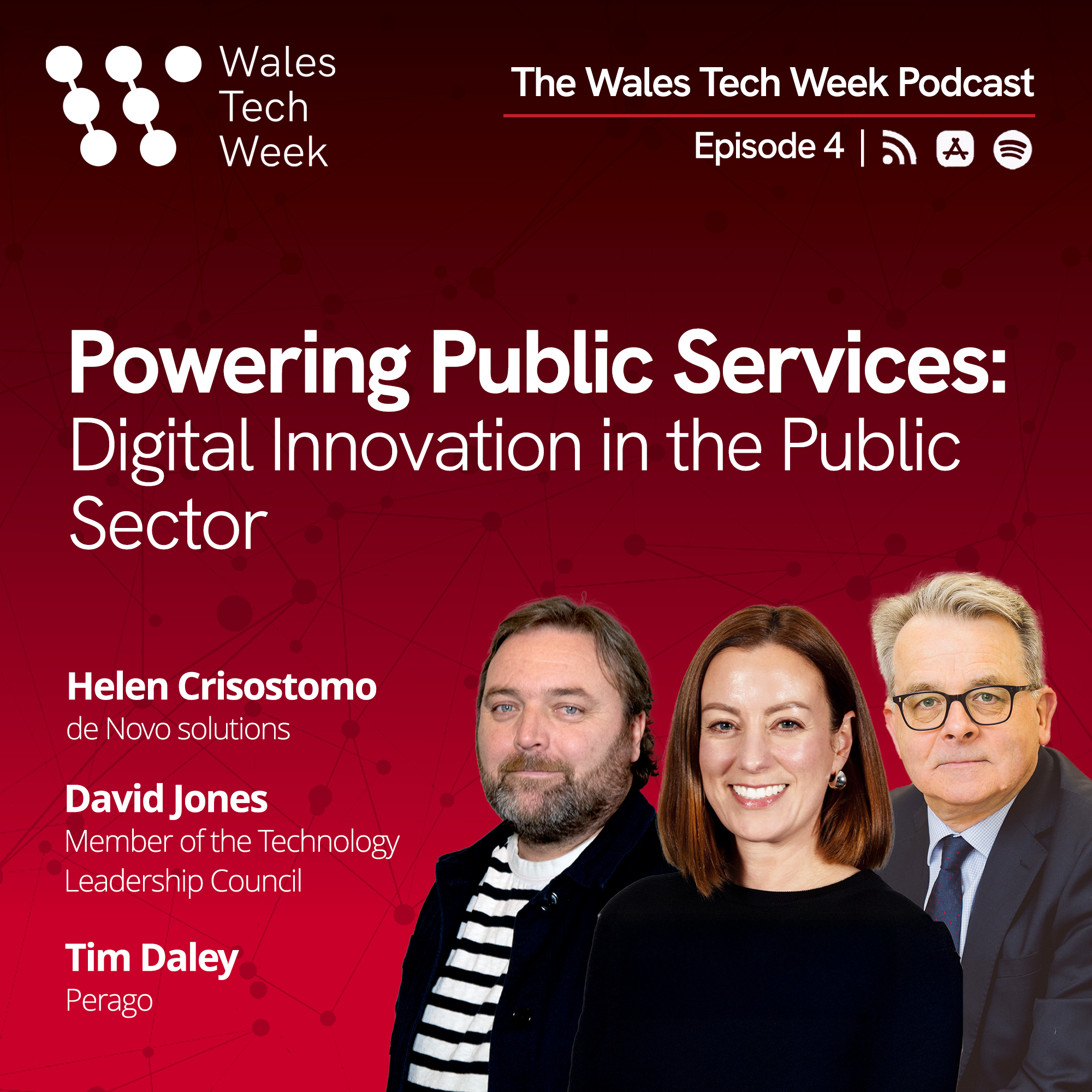
Helen Crisostomo talks about this and more in the Wales Tech Week podcast episode Powering Public Services: Digital Innovation in the Public Sector. Listen to the podcast here.
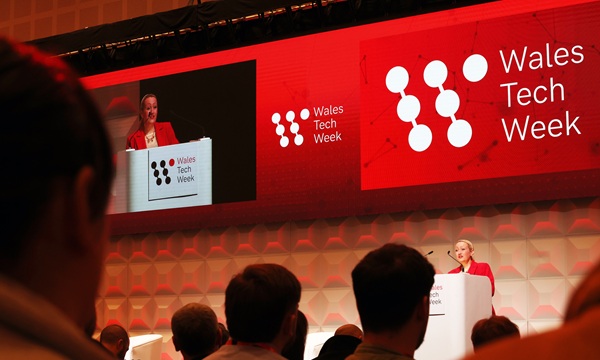
Tech for People is one of the key themes for Wales Tech Week, which takes place at ICC Wales, Newport from November 24 to November 26 2025. Find out more here: https://www.walestechweek.com/