
GUEST COLUMN:
Nick Tune
CEO and Co-Founder
OptimiseAI

When we set up OptimiseAI at the end of 2023 as a spin-out from Cardiff University’s School of Engineering, we were building on nearly two decades of research into how digital technologies can make buildings more sustainable and run them more effectively. That work has grown into digital twin platforms that use structured data, machine learning and artificial intelligence to help reduce energy, cut water consumption and improve air quality.
The principle is straightforward. A digital twin is a virtual replica of a physical asset. I often use Formula One as the easiest example. A racing car has a digital version which is constantly fed with live telemetry from sensors, whether it is being tested in the wind tunnel or racing on the track. Engineers monitor the data in real time and can make adjustments that directly affect the physical car. We are now applying that same approach to buildings and infrastructure. You can model changes virtually before making them physically, and manage assets continuously rather than relying on occasional inspections or reports.
That is a significant shift. When I began my career as a consultant in the 1990s, the process involved auditing a building, taking a few readings, and producing a report with a list of recommendations. Many consultants still work this way today. The difference now is that most buildings already generate far more information. Around 60 per cent of them have smart meters, yet most people use them as little more than billing tools. At OptimiseAI we asked ourselves how to make better use of this. We developed a building-level digital twin that can be set up in ten minutes and can draw out useful insights from that existing data.
This means businesses do not have to wait for a full suite of sensors and devices to begin the journey. They can start with the information they already have and use it to cut bills, reduce waste and improve working environments. From there, they can move towards more advanced digital twins with detailed internet-of-things data.
The important point is that the data is already there. With the right AI tools, you can make sense of it without needing to become a data scientist yourself.
We have applied this approach to some of the UK’s most complex assets, including Bristol Temple Meads railway station. Managing a station of that scale is challenging, but a digital twin makes it possible to optimise operations in ways that would not have been achievable through traditional consultancy.
And the opportunity goes beyond individual buildings. The real prize is in connecting systems together. We are starting work on projects such as freight logistics, looking at how to improve the sustainability of transport infrastructure while also managing renewable energy and fleet operations. This “system of systems” approach is about more than carbon savings – it is about productivity. If we can reduce empty vehicle movements, for example, that is both a cost saving and an emissions reduction.
Digital innovation is therefore central to sustainability. It gives organisations the ability to move from one-off interventions to continuous improvement. Rather than being handed a report that sits on a shelf, businesses can act on live insights. That helps them to save money, improve performance and lower their environmental footprint at the same time.
Investment is also part of this story. We were fortunate to secure support from organisations such as the Development Bank of Wales and the Welsh Government’s SMART Flexible Innovation Support scheme and we worked with the Carbon13 programme, and those partnerships have been vital in getting us to where we are today. But if Wales is to grow more climate tech start-ups, we will need to see more support of this kind. Universities should be encouraged to spin out more ventures, and there needs to be greater availability of finance to keep growth in Wales rather than losing talent and opportunity elsewhere.
I believe Wales has the brains, the skills and the geographic advantage to build a unique position in this field. But to do so, we have to ensure that investment and benefits are reinvested into our own businesses, training and people. Too often, major projects are delivered with outside capital and the long-term gains leave with it. If we want to create a self-sustaining cycle of innovation, we need to be bolder in holding on to the value created here.
The technology exists today to make buildings and infrastructure more sustainable and more productive. The challenge is to use it widely, and to ensure that the economic benefits support the growth of our own business community. With digital twins, machine learning and AI, we now have the tools to manage that process in a way that simply was not possible a generation ago.
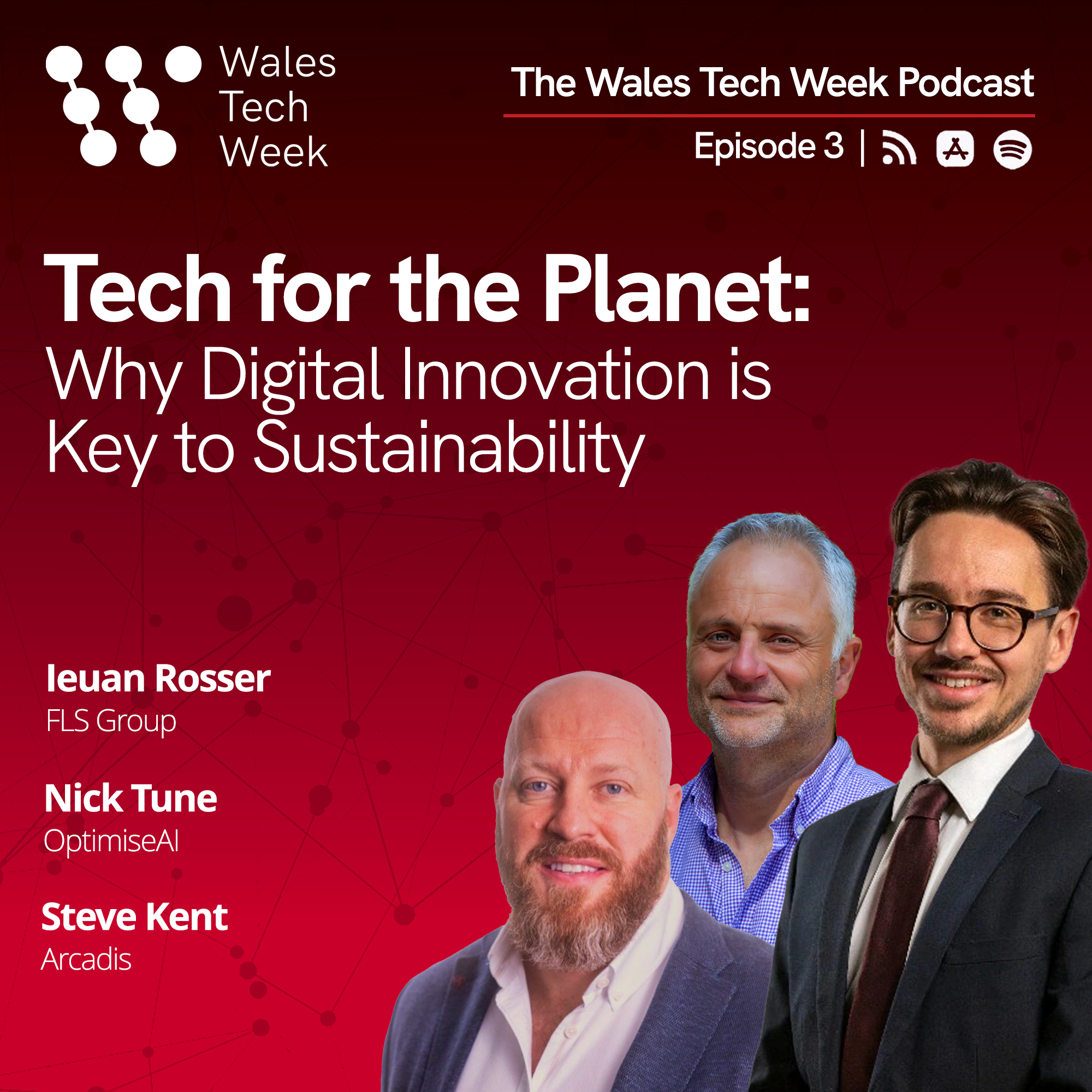
Nick Tune talks about this and more in the Wales Tech Week podcast episode Tech for the Planet: Why Digital Innovation is Key to Sustainability. Listen to the podcast here.
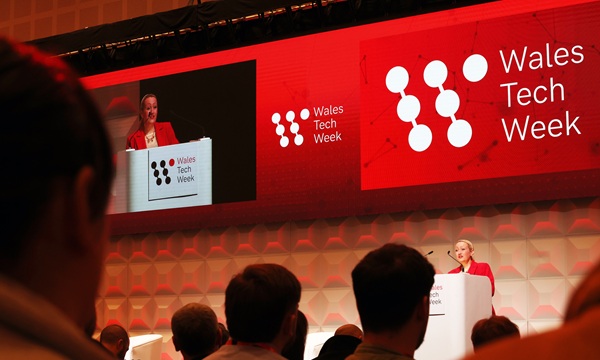
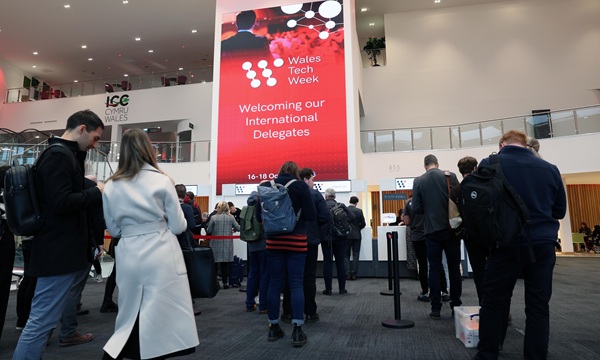
Tech for the Planet is one of the key themes for Wales Tech Week, which takes place at ICC Wales, Newport from November 24 to November 26 2025. Find out more here: https://www.walestechweek.com/