
Wales’ historic buildings, monuments and heritage attractions are making a significant contribution to the national economy, supporting almost 18,000 jobs and generating more than £738 million in economic activity annually, according to new research.
An independent study commissioned by Cadw, the Welsh Government’s historic environment service, has highlighted the importance of heritage as an economic asset, supporting employment, attracting visitors and creating opportunities for communities across Wales.
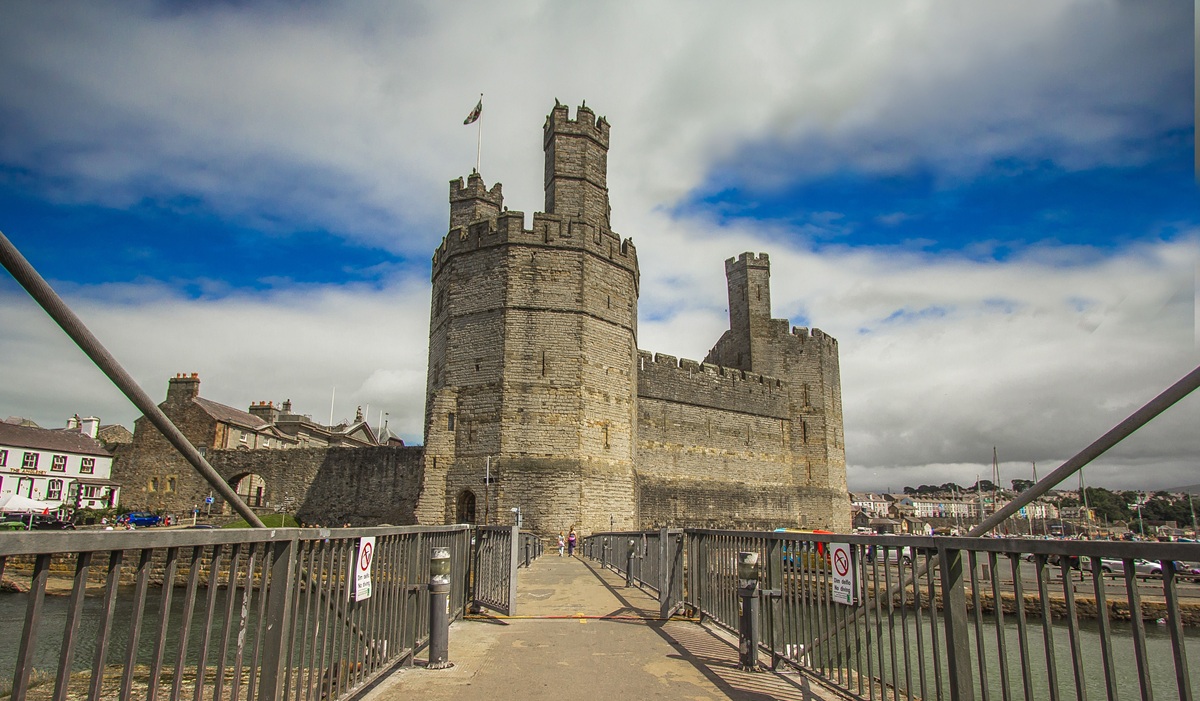
The research, undertaken by AMION, examined the contribution of historic sites, museums, parks, landscapes and heritage organisations, providing new evidence of the sector’s economic and social value.
It found that Wales’ historic environment attracts more than 13 million visits to heritage sites and accredited museums each year, underlining its importance to the country’s visitor economy.
Beyond tourism, the findings demonstrate how heritage supports a wider network of employment and economic activity, while providing opportunities for volunteering, education and community participation.
Alongside its £738 million annual economic contribution, the research estimates that Wales’ historic environment generates more than £107 million in social value each year.
This includes benefits associated with volunteering, educational activities, visitor experiences and community engagement.
Volunteers alone contribute more than 902,000 hours annually to heritage activities across Wales, generating an estimated £9.8 million in wellbeing value.
The study also identified benefits extending beyond those who actively visit heritage attractions, with people expressing pride and a sense of connection through the preservation of historic places in their communities.
The findings come as the heritage sector faces challenges including rising maintenance requirements, climate-related pressures and skills shortages, raising questions about the investment needed to protect its long-term economic contribution.
Cabinet Minister for Culture and Sport, Heledd Fychan, said the findings demonstrated why heritage should be recognised as an essential part of Wales’ infrastructure.
“This research confirms what many of us have long believed; that our historic environment is not a luxury or an afterthought, but a vital part of what makes Wales strong, distinctive and connected.
“This evidence reinforces that heritage and culture alike should be treated as part of Wales’ national infrastructure, alongside other essential networks.”
The report also highlights efforts to make heritage attractions more accessible, including Cadw’s £1 admission initiative for people receiving Universal Credit, which has encouraged first-time visitors.
Dr Kate Roberts, Chief Executive of Cadw, said the research provided a clearer understanding of the sector’s wider contribution.
“This study gives us a clear and compelling picture of the true scale of heritage’s contribution to Wales.
“Caring for our heritage is not just about preserving castles and monuments, it is about the jobs they support, the volunteers who give their time, and the pride that communities take in their local history.”
The research has been published as the Welsh Government seeks views on a new 10-year Culture and Sport Strategy for Wales.
The strategy will establish a long-term vision for heritage, culture, the arts, creative industries, sport and physical activity, with a focus on identifying priorities and practical actions for the coming decade.
The economic findings provide further evidence for considering heritage investment alongside wider economic development priorities, particularly in communities where historic attractions contribute to tourism, employment and local identity.
Businesses, community organisations and individuals are being encouraged to contribute to the consultation, helping shape the future direction of Wales’ cultural and sporting sectors.
Further information is available through the Welsh Government consultation, A Vision for Culture and Sport in Wales.