GUEST COLUMN:
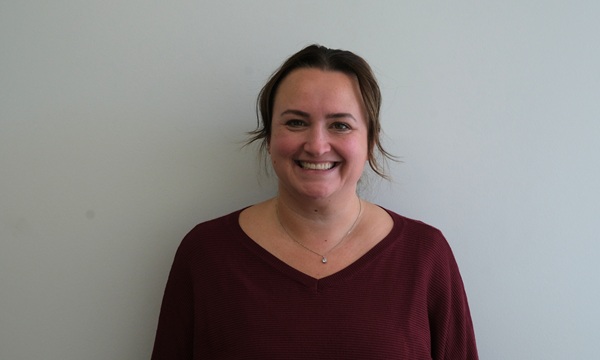
Sarah Cadenne de Lannoy
Head of Education, Skills and Work
HMP Berwyn
Working in a prison the size of HMP Berwyn in Wrexham means there is never a day when I’m not reminded of why education and skills matter. Housing around 2,000 prisoners, every one of them arrives with a different story.
What they often do not arrive with are the opportunities that many of us take for granted – a stable work history, recognised qualifications, or the confidence that comes from feeling able to contribute. For me and my colleagues, that is where the work begins.
Our aim is simple: to prepare people for work so that, on release, they are able to find a job quickly and build a different life. The evidence is clear that work makes a difference. When prison leavers go into paid employment soon after release, reoffending rates fall sharply. The impact is not just on the prison leavers themselves but on their families and the communities they return to. It is why rehabilitation sits alongside safety as a core part of what we do.
Inside the prison, we try to create an environment that feels as close as possible to a real workplace. Our workshops are fully equipped through our partners, and we offer training in construction, hospitality, catering, engineering, gym instruction, and land-based skills. It is a busy, college-style setting where prisoners learn practical skills while also having access to maths and English courses through our education provider, Novus Cambria. For some, these qualifications give them the foundation they need to read drawings and specifications; for others, we adapt the approach so that their determination and practical ability are recognised even if they don’t follow a traditional academic route.
We have a number of partnerships with external employers and training providers which are central to making this work. Williams Homes Bala, for example, runs a fully operational workshop inside the prison. Their team produces everything from structural timber frames to door sets and ecological products such as bird boxes. The prison leavers rotate through different types of work, gaining experience across a range of tasks. Some arrive with no job history at all, but with mentoring from Williams Homes’ senior joiner and support from our own staff, they grow into confident, skilled workers. A number of them go on to interviews and jobs with the company after release.
Fulcrum Scaffold Safety and Training also bring enormous value, particularly through their accredited five-day scaffolding course. The prison leavers start with the basics, including the CISRS Labourer Card course, and by the end of the week they are building medium-sized scaffolds at low level. What stands out is not just the training itself but the commitment to what happens next. Fulcrum work hard to move people into employment, supported by their business development manager Joe, who was himself released from prison only a year ago and is now helping others to make the same transition.
We are fortunate to have strong relationships with the North Wales Regional Skills Partnership too. They help us understand the labour market needs of North Wales so we can shape our training around real employer demand. Construction has always been one of the sectors most open to working with prison leavers, but there is potential far beyond that. Manufacturing, logistics, hospitality and tourism are all facing skills shortages, and the men here have the capability and motivation to contribute.
A visit is often what changes perceptions. Many employers expect a prison to feel stark or intimidating; most leave saying it is nothing like they imagined. They meet prisoners who are hardworking, determined, and proud of what they produce. They see modern facilities, high-quality equipment, and the commitment of the staff who support them. And they see the difference that routine, responsibility and achievement can make to someone who may never have had those things before.
I will never pretend that everything goes smoothly. People are complex, and some have faced trauma or instability that can’t be fixed overnight. There are setbacks, and we approach those honestly. But when the system works as it should – when a person learns a skill, secures a job, supports their family, and does not return to custody – the impact is profound.
We have a dedicated resettlement team, around 50 people including partners such as the Department for Work and Pensions and Careers Wales, all working to support prison leavers through the gate and beyond. But we cannot do it alone. To make sure the opportunities continue after release, we need more employers across more sectors to work with us, visit us, and understand what we offer.
If you are an employer facing skills gaps, or simply looking to widen your recruitment approach, I would encourage you to get in touch. Come and see the workshops, meet the prisoners, and speak to the partners who already work with us. There is real potential here – not just to fill vacancies, but to change the course of someone’s life. One job can transform a family. That is why this work matters, and why we want more businesses to be part of it.
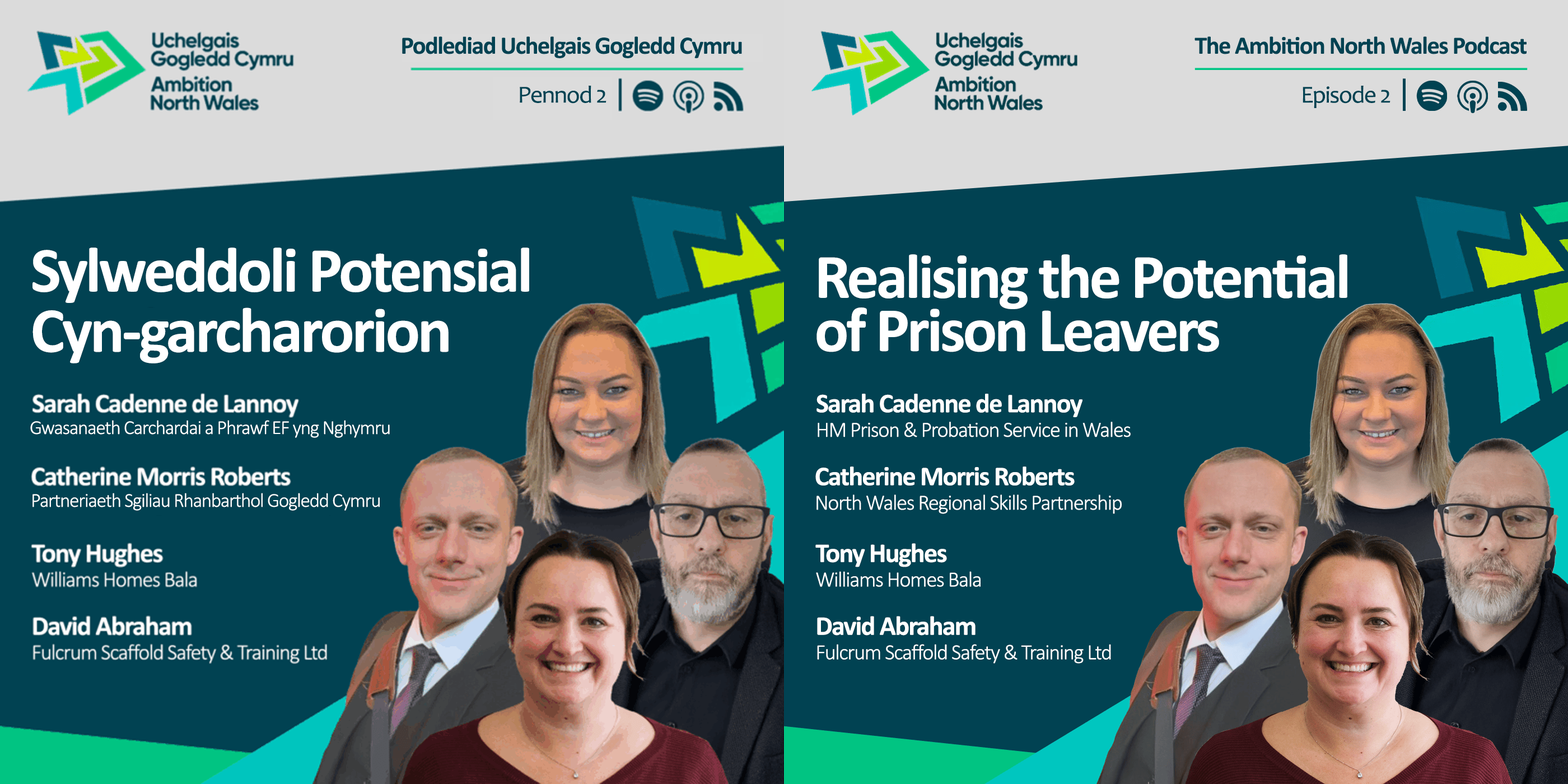
Sarah Cadenne de Lannoy talks about this and more in the Ambition North Wales podcast episode Realising the Potential of Prison Leavers. Listen to the podcast here.