

GUEST COLUMN:
Chris Owen
Chief Operating Officer
South West Wales Corporate Joint Committee

South West Wales has spent years building the strategies, partnerships and investment pipeline needed to support long-term growth. The focus now is delivery: presenting the region clearly to investors, connecting its strongest sectors and making it easier for businesses to engage.
That is the role the South West Wales Corporate Joint Committee is increasingly taking on. By bringing together the local authorities of Carmarthenshire, Neath Port Talbot, Pembrokeshire and Swansea, alongside Bannau Brycheiniog and Pembrokeshire Coast National Park Authorities, we can align economic development, transport, energy and strategic planning around a single regional proposition.
Our message is straightforward – South West Wales is open, it is ready to invest and it wants to connect.
We already have an evidence-based investment prospectus highlighting 15 featured opportunities, supported by a wider pipeline valued at around £6 billion. The intention is not simply to describe what could happen, but to give investors a clearer route into the region and connect them with the people, places and projects that can move an opportunity forward.
That means creating a more unified front door. Investors and businesses should not have to work out which organisation to approach or how different strategies fit together. They should be able to enter the region through a clear point of contact and be directed quickly towards the right support, whether they need land, finance, skills, infrastructure or sector expertise.
South West Wales already has established strengths in clean energy, advanced materials, life sciences and the experience economy. The region has also progressed to the next stage of the UK Government’s Local Innovation Partnerships Fund, with the opportunity to secure up to £20 million for innovation in clean energy and advanced materials.
These sectors are not separate from the wider economy. Innovation needs to lead to commercial opportunities, business growth, stronger supply chains and good jobs. The role of regional leadership is to connect those outcomes with the skills, transport and infrastructure needed to support them.
Swansea city centre provides a good example of how this works in practice. It is a major economic asset for the whole region, not only for the city itself. Investment in Copr Bay, Swansea Building Society Arena and new commercial space strengthens Swansea as a destination for business, culture, higher education and tourism, while creating opportunities that extend across wider supply chains and labour markets.
The benefits become stronger when transport, housing and land use are planned alongside economic development. A new business site, visitor attraction or housing development cannot be considered in isolation from the roads, public transport and digital infrastructure that connect people to it.
That is why the CJC’s regional transport plan and strategic development work are so important. They help ensure that investment decisions support one another rather than operating as separate initiatives.
Floating offshore wind will require exactly this kind of coordination. It is one of the most significant economic opportunities South West Wales is likely to see for a generation, with implications for ports, manufacturing, engineering, construction, skills and investment across the region.
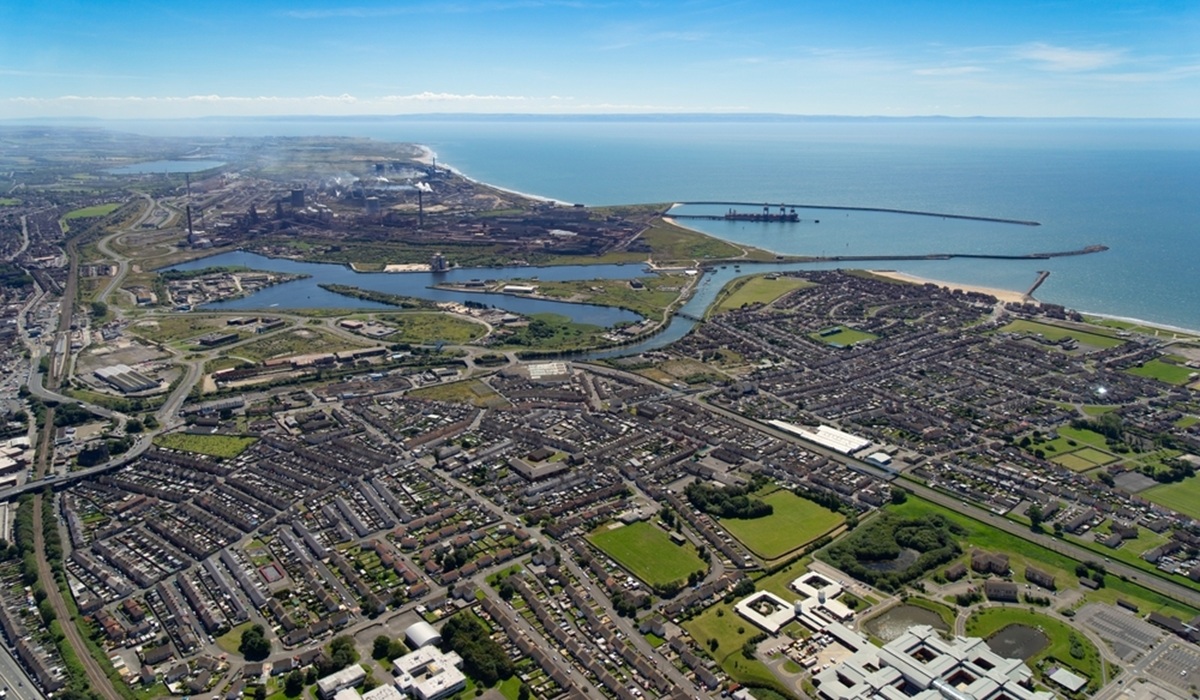
Port Talbot, Milford Haven, Pembroke Dock and Swansea each bring different assets to that proposition. Connecting them as part of an integrated regional offer will be far more compelling than presenting each location in isolation.
Businesses will also need support to prepare for future contracts, including accreditation, workforce expansion and investment in capability. Regional coordination can help ensure that skills provision, finance and business support develop alongside the opportunity rather than after it.
The same principle should extend beyond South West Wales. Wales is relatively small in economic terms, and its regions will achieve more by complementing one another than by competing for the same activity.
We are already working with Cardiff Capital Region, Ambition North Wales and Growing Mid Wales to understand where each region can lead and how those strengths can reinforce one another. South West Wales may be best placed to lead in some sectors, while another region has greater depth in others.
That is not about limiting ambition. It is about building a stronger Welsh proposition by recognising where capability already exists and directing investment towards the places best equipped to deliver it.
South West Wales has a strong pipeline, established partnerships and a clear sense of direction. By moving decisively from strategy into delivery, and by working alongside the other regions of Wales, we can present investors with something more coherent: a region that knows what it offers, understands how its assets connect and is ready to act.