

Company bosses in North Wales are being urged to rethink how they recruit and recognise the untapped skills of neurodivergent workers.
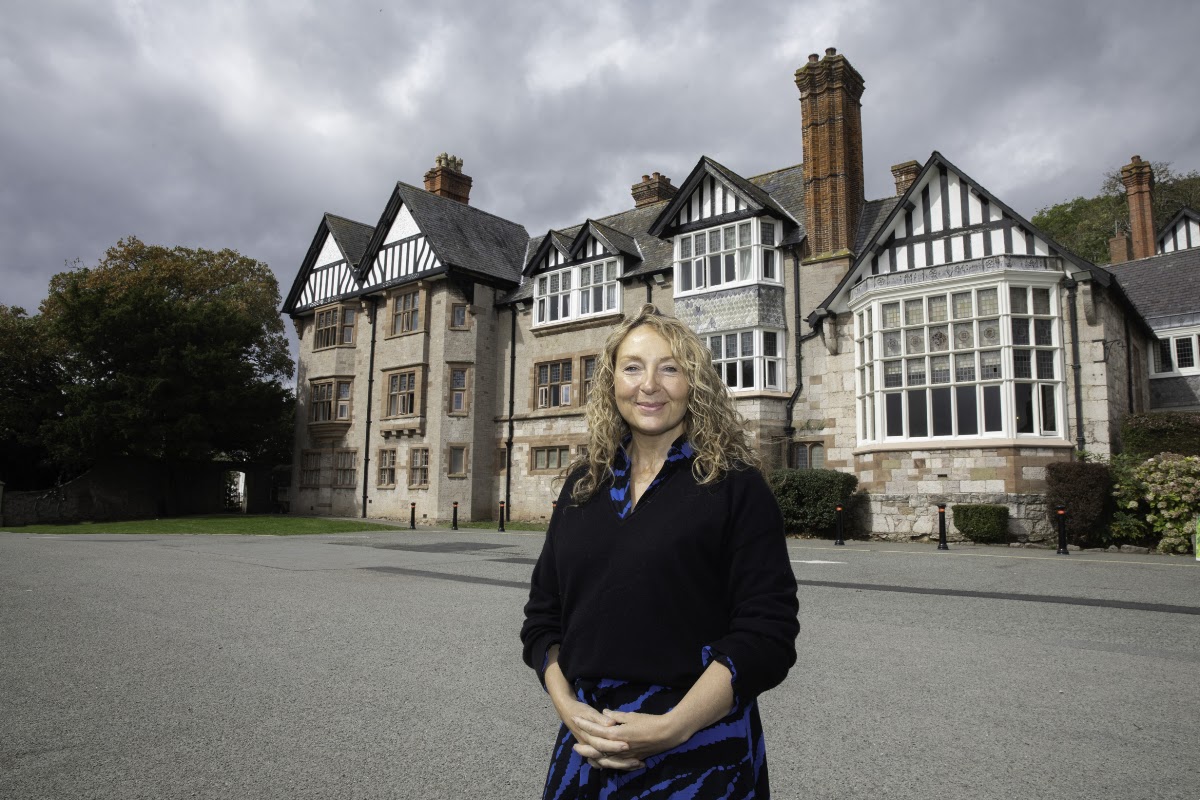
Dr Faye Favill, a leading educator of neurodivergent students in the region, will make the plea as she addresses businesses leaders at a breakfast meeting in Wrexham on Thursday, October 1.
The pioneering Special Needs Coordinator (SENCO) at St David's College in Llandudno will tell Wrexham Business Professional at Hotel Wrexham, on Holt Road, that people with conditions including dyslexia, and ADHD can bring valuable strengths.
She will highlight skills including creativity, problem-solving, attention to detail, pattern recognition and lateral thinking – pointing out that businesses could miss out on talent if recruitment continues to focus too heavily on traditional qualifications.
According to Dr Favill, some of the world's most successful business leaders are neurodivergent including Sir Richard Branson, who is dyslexic and Elon Musk who has spoken openly of his Asperger's Syndrome diagnosis.
Others include Brewdog co-founder James Watt, who has been diagnosed with autism and ADHD, and Dragon's Den star and successful business owner Steven Bartlett who has spoken publicly about the challenges of ADHD.
The other speaker at the seminar will be successful Hawarden-based entrepreneur Steph Hind, co-founder of a multi-million pounds health and well-being company, Heka Happy, who has dyslexia.
Dr Favill heads up a team of 18 teachers at St David's College in a department which specialises in high standard education provision for students diagnosed with dyslexia, ADHD and a range of other conditions widely classified under the umbrella term neurodiversity.
She said:
“For too long society has considered neurodiversity to be a hindrance rather than an asset. Our hope, as we go forward, is that more and more employers will come to understand that recruiting people on the neurodivergent spectrum can be a real advantage.
“While some people with dyslexia, autism and ADHD may struggle with traditional academia, reading or conventional numeracy lessons, they can have an abundance of hidden strengths.
“Many of our students demonstrate finely honed natural skills when it comes to creativity, attention to detail, pattern recognition, lateral thinking, and problem solving. These are skills which can prove invaluable to developing businesses.”
After 15 years working at St David's College, she has witnessed first-hand how changing the approach to education delivery for neurodivergent students can bring those skills to the fore.
St David's pupils with dyslexia learn in a mainstream environment but in small class sizes, and for there is additional support for neurodivergent students from Dr Favill and the expert SENCO team.
This includes some one-to-one lessons – the team deliver 400 such lessons a week.
Dr Favill said:
“We tailor lessons to accommodate skills which pupils with learning differences do have rather than those they struggle with.
“For instance, a pupil may face difficulties with spelling, or writing essays, but that does not mean they do not have good ideas or are unable to express themselves in other ways. We have a multi-sensory approach, using visual, audio and kinaesthetic techniques exercising touch and movement, in addition to conventional lessons.”
The results have been consistently above the Welsh average with 94 per cent of St David's pupils having achieved GCSE/Level 2 grades A-C in English language and 83 per cent achieving A-C in maths.
Dr Favill believes AI and new technology can make the road into successful careers easier for neurodivergent students and employees.
She said:
“With AI it is like having a virtual assistant or a PA constantly on hand. The technology can take on the tasks one finds difficult, such as spell checking, so the student can focus on more inventive or creative skills, or whatever activities they do best.
“By providing the right approach, the necessary technologies and an environment which nurtures rather than excludes such skills, then employers can only benefit. There are huge opportunities to be gained from recruiting a fully diverse and inclusive workforce. Businesses will grow and further develop as a result.”
Dr Favill is encouraging companies in North Wales to follow the example of global organisations which are already taking this approach, especially in the world of big tech.
She said:
“One of the most prominent enablers in this field is the intelligence and national security sector. Take GCHQ, for instance. It has stopped merely recruiting people on the basis of exam results alone but is looking at those with proven problem solving and puzzle cracking skills. Many in the neurodivergent community are excellent at this.
“The key is for employers to closely examine which skills are required for certain jobs or to achieve a set goal, then to actively search for recruits who demonstrate those specific skills. Then provide them with any support they need and an environment in which they can thrive.
“It should not be a question of trying to pigeon hole someone with conventional paper qualifications.. The more diverse the workforce is the greater the number of ideas, which will ultimately fuel innovations.”
WBP committee member Ian Edwards said:
“Neurodiversity is something businesses should be looking at as an opportunity rather than a challenge, because the right person can bring a completely different way of thinking to a business.
“If we want North Wales companies to grow, we need to make sure our recruitment processes do not overlook talented people simply because they do things differently.”
It was a sentiment echoed by fellow member Louise Harper who added:
“This is about recognising the strengths people can bring to a workplace and making sure they have the opportunity to demonstrate them.
“As employers, we need to be more open-minded about how we identify talent and create working environments where neurodivergent people can thrive.”
Dr Favill and Steph Hind will be guest speakers at the Wrexham Business Professionals meeting on Thursday, October 1, at the Hotel Wrexham from 8.30am. The theme for the event is Powering Regional Prosperity: Powering North Wales with the Neurodiversity Advantage.
To book a place email wbp@allingtonhughes.co.uk