

North Wales is entering a period in which the scale of economic investment will place unprecedented demands on its workforce. From advanced manufacturing and low-carbon energy to artificial intelligence and major infrastructure, the region is preparing for opportunities that could shape its economy for many years. None of those ambitions will be realised, however, unless the people with the right skills are available at the right time.
That is why the skills agenda has to sit at the centre of economic planning from the outset. It cannot be treated as something to address once an investment has been secured or a project is ready to begin. By that point, the decisions that determine whether local people and businesses can benefit may already have been made.
The North Wales Regional Skills Partnership (RSP) has been operating for more than a decade and is one of four strategic partnerships of its kind across Wales. It brings together universities, colleges, independent training providers, Careers Wales, the Department for Work and Pensions, local government and business representative organisations, including the Chamber of Commerce and the Federation of Small Businesses.
I often describe the role of the RSP as like that of an orchestra leader. We need to understand the skills and employment needs of the regional economy, both now and in the years ahead, and help the different organisations involved in delivery to work towards the same outcome.
That requires strong relationships, a clear picture of employer demand and the ability to influence provision. It also requires the confidence to act as a critical friend, identifying where the system could be simpler, more responsive or better aligned with the needs of businesses and communities.
North Wales is fortunate in having a strong tradition of collaboration. We have two universities and two colleges, and Ambition North Wales, which is the North Wales Corporate Joint Committee, brings together the region’s six local authorities. The landscape is not without complexity, but the relationships between organisations give us a strong base from which to respond.
The partnership sits within that wider regional structure, which means skills can be included early in discussions around economic development, transport, digital connectivity and investment. That connection is increasingly important because of the range of major programmes now being developed across North Wales.
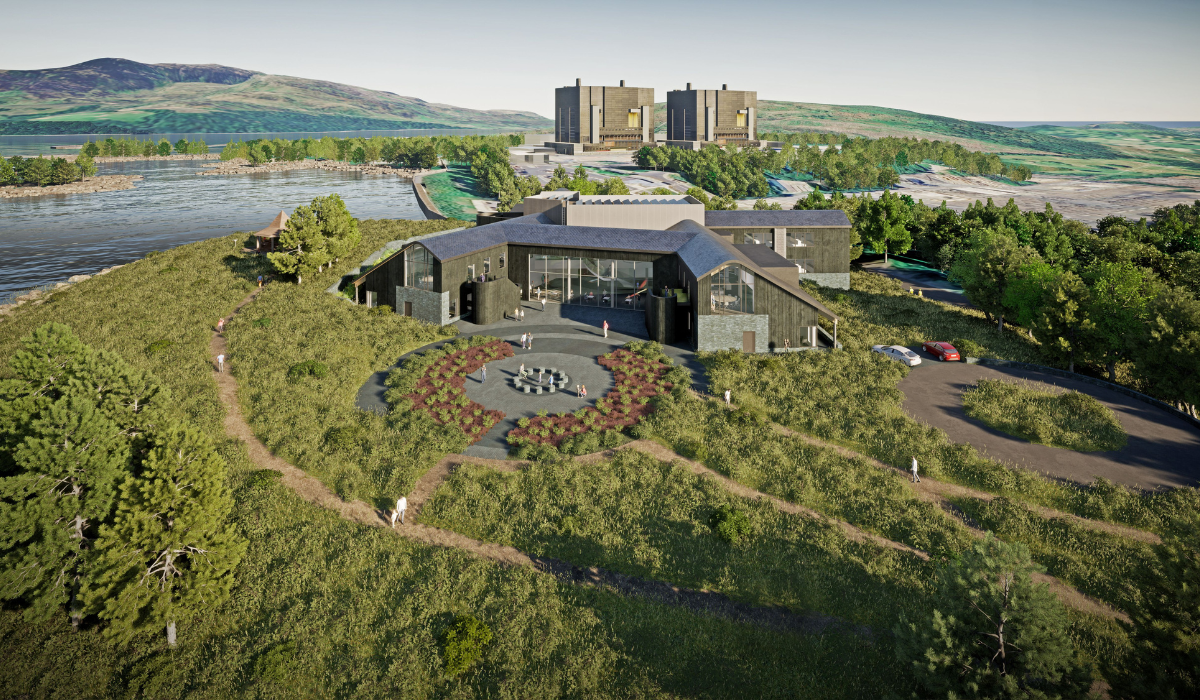
The Flintshire and Wrexham Investment Zone is expected to support advanced manufacturing through investment in skills, business support, research, infrastructure and specialist learning facilities. The region is also preparing for an AI Growth Zone across Anglesey and Gwynedd, new small modular reactors at Wylfa and the development of Anglesey Freeport, alongside wider activity in offshore wind, tidal energy and the North Wales Growth Deal.
These are distinct programmes, operating across different sectors and timescales, but they share a common requirement. Each will need skilled people, and many will be competing for workers with technical, digital, engineering, managerial and cross-cutting capabilities.
Our responsibility is to understand that demand as clearly as possible and help develop a region-wide workforce plan which remains current as projects evolve. Some skills requirements are immediate, while others may be five or ten years away. The plan therefore has to be dynamic rather than a document that is produced once and allowed to stand still.
This is particularly challenging for smaller employers. Most SMEs are focused on current orders, recruitment and day-to-day pressures, and it is difficult to ask them to predict precisely what their workforce will look like in a decade. My own background is in human resources, so I understand how unrealistic that question can feel.
The answer is not to expect every business to produce a perfect long-term forecast. It is to help employers plan as effectively as they can, while using the reach of membership organisations to build a wider picture of emerging demand. The RSP cannot speak directly to every SME in North Wales, so our relationships with organisations that already represent thousands of businesses are essential.
We must also start the conversation earlier with young people. Although the formal remit of the RSP is focused on post-16 skills, career decisions are influenced long before that point. Young people now face a wide range of choices, and the number of routes available can be bewildering. Schools, Careers Wales, employers and families all have a part to play in helping them understand the opportunities developing within the region.
There is also a wider workforce challenge. North Wales will need more people if it is to fulfil the opportunities ahead. We need young people who choose to build their careers here, people who return after gaining experience elsewhere and workers who can see a long-term future in the region.
That depends on more than training provision alone. Skills planning has to connect with transport, digital infrastructure and access to employment, particularly for people who may currently struggle to reach available jobs.
The RSP’s contribution is to bring those conversations together.
As investment gathers pace across North Wales, that convening role will become more demanding. It will also become more valuable. The task is to make sure the region’s economic ambitions and its workforce planning develop side by side, so that employers can recruit, communities can participate and the opportunities being created translate into careers for people across North Wales.
David discusses this and more on episode 8 of the People and Skills podcast. Listen here: