


The University of Wales Trinity Saint David (UWTSD) has secured £83,569 in funding to lead an innovative research project exploring how residents experience and use low-carbon technologies in their homes.
The funding, awarded through the EPSRC Switch to Net Zero Buildings Place Based Impact Acceleration Account (PBIAA), will support a new project examining the real-world benefits and challenges associated with technologies such as heat pumps and smart energy controls in the Swansea Bay City Region.
The project, titled Human-Centred Net Zero: Building User Experience Evidence to Improve Procurement of Low Carbon Home Technologies, is being delivered in partnership with CODI Group, Wales’ largest registered social landlord. It brings together expertise from three specialist centres at UWTSD: the Assistive Technologies Innovation Centre (ATiC), UNESCO MOST BRIDGES, and the Construction Wales Innovation Centre (CWiC).
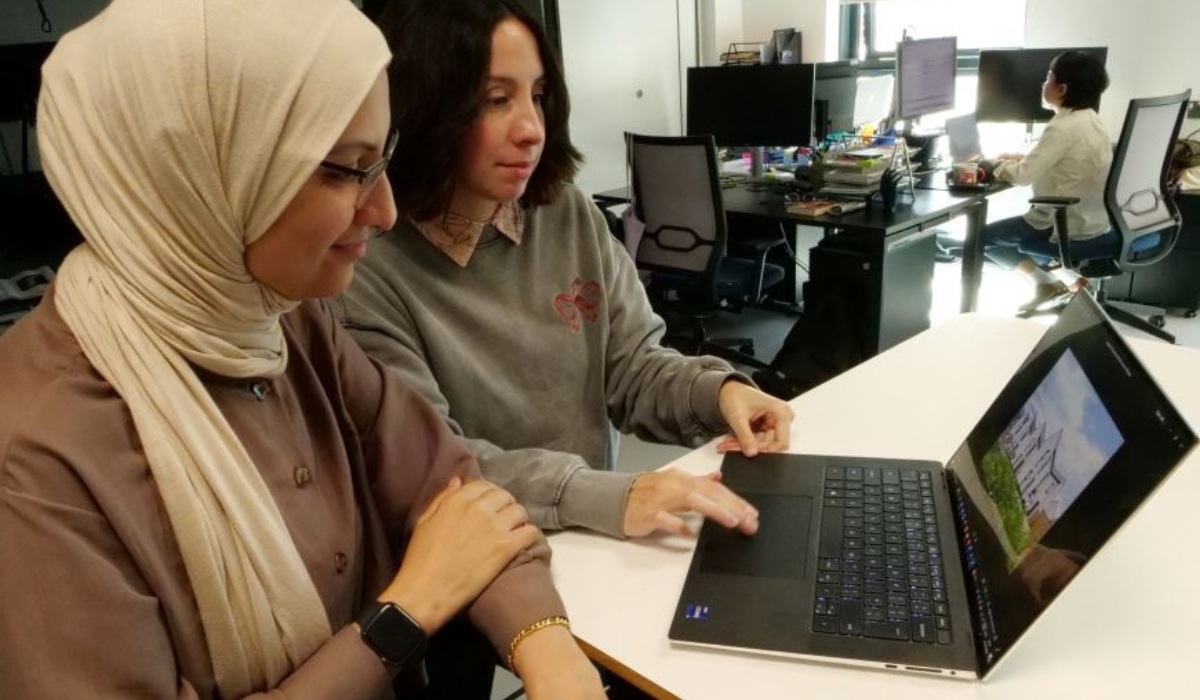
Researchers will work directly with residents through interviews, home visits and collaborative workshops to better understand how low-carbon technologies are used in everyday life, identify factors that support their successful adoption, and explore how households can maximise potential savings.
Building on partnerships and place-based approaches developed through the AHRC-funded REPAIR project, the research will focus specifically on residents’ experiences of low-carbon technologies installed in their homes. Findings are expected to help inform future housing design, technology procurement, implementation strategies and customer communications, ensuring net zero ambitions are aligned with the needs and lived experiences of residents.
Yolanda Rendon Guerrero, Research Innovation Fellow at ATiC and Project Lead, said:
“This funding provides an exciting opportunity to work closely with housing providers and communities to better understand how people experience low-carbon technologies in their homes. By putting residents’ experiences at the heart of the research, we can generate practical insights that support both sustainability goals and positive outcomes for communities across the region.”
The project will explore themes including technology usability, behavioural insights, collaborative design and performance outcomes. Partners will work together to identify the factors that contribute to the successful use of low-carbon technologies, helping to improve future procurement and implementation approaches across the housing sector.
Gareth Evans, Head of CWiC, said:
“By generating stronger evidence on how low-carbon technologies perform in people’s homes, this project can help inform better procurement, implementation and skills development decisions across the housing sector, supporting Wales’ wider transition to a net zero housing stock.”
The initiative will also create valuable opportunities for students and early career researchers to gain practical experience working alongside housing providers, communities and multidisciplinary research teams.
Becky Cole, Head of Regeneration at CODI, said:
“We are pleased to be working with UWTSD on this important project. The research will help us better understand how low-carbon technologies are used in everyday life and identify opportunities to improve services, enhance customer experience and maximise potential savings for households. We are keen to share the learning from this work with partners across the sector.”
The project is scheduled to begin in October 2026 and will run for 12 months.