





GUEST COLUMN:
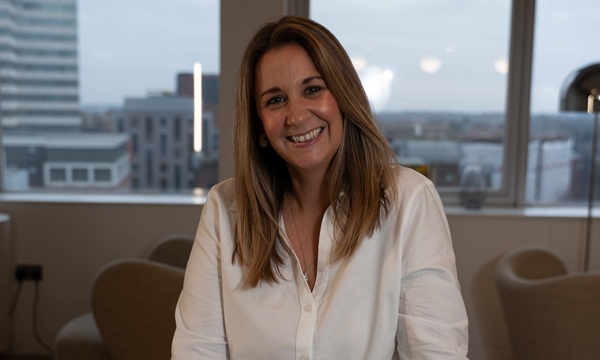
Simon Jenkins
Managing Director
Curtis Legal

As a probate expert working with families and business owners across Wales, I see the same pattern time and again. People spend decades building nest eggs, investing in property and supporting their families, yet give surprisingly little thought to what happens to those assets when they die.
Inheritance tax is often dismissed as an issue for the very wealthy or something to worry about much later in life. For Welsh small business owners, that assumption is increasingly risky.
The reality is that inheritance tax is based on asset values, not income or lifestyle. With property prices rising across much of Wales and many owner-managed businesses now worth far more than their founders realise, it doesn’t take much for an estate to fall into the tax net.
Everyone currently has a £325,000 inheritance tax allowance, plus an additional £175,000 residential allowance if a home is left to children or grandchildren. That means a single person may be able to pass on up to £500,000 tax-free. Anything above that is taxed at 40%.
In theory, that sounds doable, but in practice, I regularly see people go over these thresholds without even realising it. A family home, a business premises, savings and a pension pot can easily push an estate well beyond the allowances – particularly in family-run companies where value has quietly built up over decades.
Marriage can help, but it is often misunderstood. Assets passing to a surviving spouse are exempt from inheritance tax, and allowances can be combined on second death. But this usually only delays the tax rather than removing it. For estates over £2 million, residential allowances are tapered away entirely – something that increasingly affects business owners with property and assets.
One of the biggest missed opportunities I see is lifetime planning. The tax system allows a range of legitimate gifts that reduce the value of an estate, from annual gifts and small gifts to larger transfers that fall outside the estate after seven years.
These are not loopholes, they are established rules that people can use to their advantage, but they only work well if planning starts early and is properly documented. Too often, people assume there will be time later to sort this kind of stuff out, only to find that illness or age limit their options.
Pensions are another area where many Welsh business owners have been relying on assumptions that no longer apply. Historically, pensions have sat outside the inheritance tax calculation, making them one of the most powerful inheritance tax planning tools available. But, from April 2027, most unused pension funds and death benefits are expected to be brought back into the estate for inheritance tax purposes.
For entrepreneurs who have sensibly prioritised pension funding over the years, this change could significantly change their family’s tax position and is something that should be reviewed now – not just before it’s introduced.
Then there are company assets. Business Property Relief has long allowed qualifying businesses to pass between generations with little or no inheritance tax. While this relief remains valuable, it is narrowing. From April 2026, only the first £2.5 million of qualifying business assets will receive full relief, with anything above that taxed at an effective rate of 20%.
Importantly, not every business qualifies. HMRC looks at what a business actually does and while trading businesses might qualify, investment-heavy businesses often don’t. Excess cash, personally owned premises used by the business, and certain shareholdings may receive reduced relief – or possibly, none at all. I regularly see business owners assume they are protected, only for their families to face difficult conversations after their death.
The uncomfortable truth is that inheritance tax is no longer a niche issue for Welsh entrepreneurs. It is a mainstream concern for anyone running a business, employing staff or simply plan on passing something on to the next generation.
Inheritance tax planning is not about avoiding paying tax, it’s about protecting the value of what you have built, what you have worked hard on, supporting your family, and ensuring your life’s work and wealth goes on, rather than being diluted by a lack of preparation and planning.
The message I want to get across is clear – whether you have a small pot to pass on, or a large property portfolio and thriving business: plan early, or leave your family to deal with the consequences after you’ve gone.