


GUEST COLUMN:
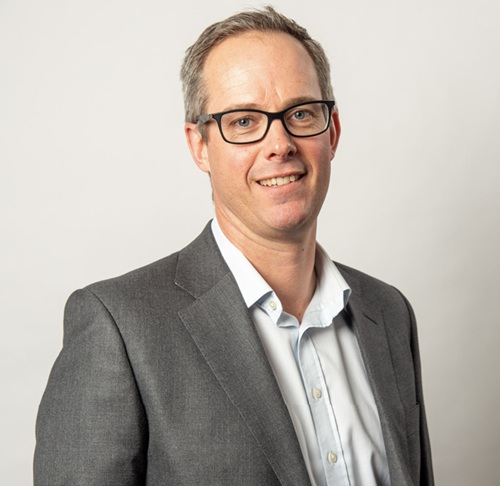
Josh Burbidge
Managing Director
Archwood Group

When I talk about decarbonisation in traditional manufacturing, I try to keep it grounded. It is often framed as something complex or distant but in reality, it is becoming a core part of how modern manufacturing operates. The real question is not whether businesses should reduce their carbon emissions but how they do it in a way that is practical, measurable and sustainable over time.
At Archwood Group, we work with timber every day. It is a renewable material but that does not reduce our responsibility – it increases it. If we are promoting sustainable materials, then the way we manufacture, process and distribute them must reflect the same principles.
Over the past four years, we have reduced our Scope 1 and Scope 2 carbon emissions by 73% against our baseline year. That is a significant milestone but what matters more to me is how that reduction has been achieved. There has been no single solution. It has come from a series of practical operational improvements, delivered consistently over time.
From the outset, we focused on structure and accountability. We set clear, achievable targets with defined timelines and embedded them into how we run the business. One of the most important decisions was to treat carbon performance in the same way we treat safety, production and financial results, through monthly review and reporting. That discipline ensures sustainability is not something we revisit occasionally but something we actively manage.
We also recognised early on that credibility is essential. That is why we work with Planet Mark to independently measure and verify our carbon footprint. External validation ensures transparency and consistency in our reporting and gives confidence that our progress is real.
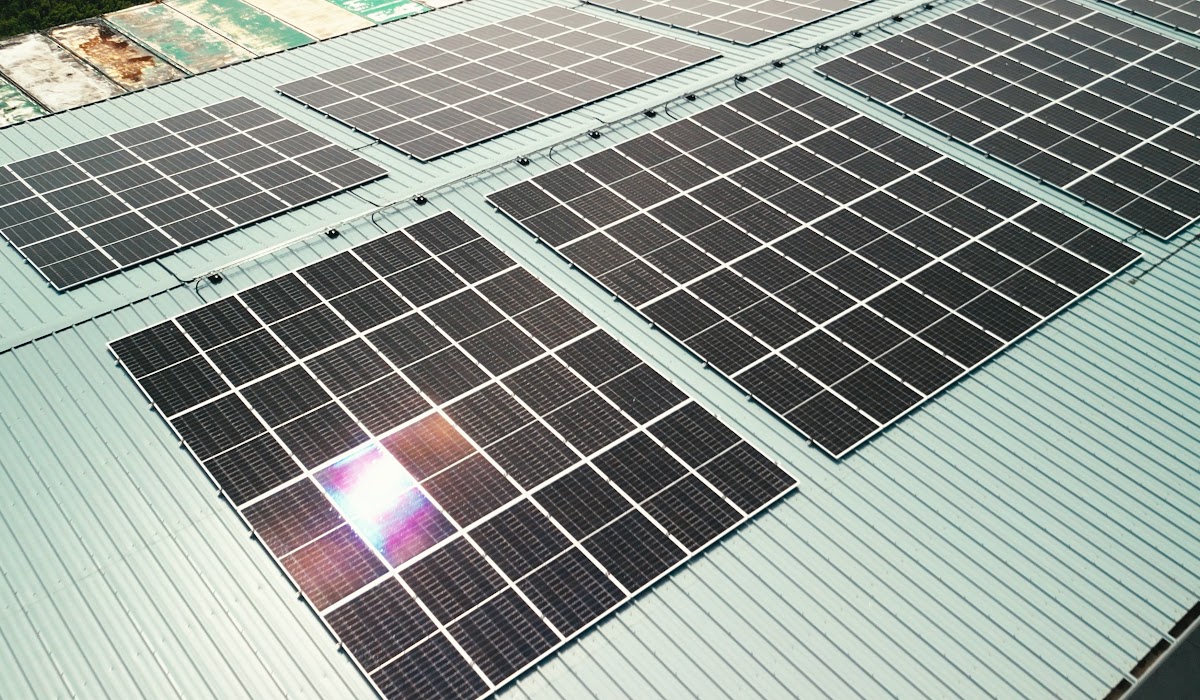
A major driver of our emissions reduction has been energy transformation. We installed a 1MW solar PV system at our North Wales site, made up of 2,600 panels, which now generates around 40–50% of our electricity demand. Alongside this, we transitioned the remainder of our electricity supply to 100% renewable sources. This has delivered two important benefits: it has materially reduced our carbon emissions and it has improved our resilience in the face of energy market volatility – a significant challenge for manufacturers in recent years.
Beyond energy generation, we have focused on operational efficiency. This includes upgrading machinery, improving site layouts and investing in electric forklift trucks to replace diesel and LPG alternatives. These are incremental improvements but in manufacturing environments, it is the accumulation of these changes that delivers meaningful impact. We are also working towards decarbonising our HGV fleet by 2030, exploring alternative fuels and longer-term electrification options.
One of the key lessons from our journey is that decarbonisation cannot be achieved in isolation. Our Scope 3 emissions represent the majority of our total footprint, which means supply chain engagement is critical. In 2023, we engaged with suppliers representing around 80% of our spend, sharing our sustainability expectations and encouraging the development of their own carbon reduction plans. We are seeing real action in response; suppliers investing in renewable energy, improving logistics efficiency and strengthening waste recovery. It reinforces an important point: sustainability is most effective when it is collaborative rather than imposed.
Internally, our ESG group brings together colleagues from across the business to identify opportunities and challenge thinking. This ensures sustainability is embedded across functions rather than sitting within a single department and it has helped maintain engagement at all levels of the organisation.
There is also a cultural dimension that should not be underestimated. Sustainability now plays a role in how we attract and retain talent. Increasingly, people want to work for businesses that demonstrate genuine responsibility, particularly younger employees entering the workforce. We are also seeing customers place greater emphasis on sustainability performance within their supply chains. Being able to demonstrate measurable progress, supported by independent verification, has strengthened our commercial position. Environmental performance is now part of broader business performance.
Achieving Net Zero will require continued investment, particularly in transport and deeper Scope 3 reductions but the direction of travel is clear and the foundations are in place.
If there is one message I would share with other manufacturers, it is this: do not wait for perfect conditions. Start with what you can measure, focus on what is achievable and build consistency into how you operate. The most meaningful reductions come not from one-off initiatives but from sustained execution over time.
Our 73% reduction is a milestone we are proud of but it is also a reminder of what is possible when sustainability is treated as part of core operations. Traditional manufacturing can decarbonise in a way that strengthens resilience, improves efficiency and supports long-term growth. That is the direction we are committed to continuing.