




As people return to work, university and daily routines following the summer holidays, new research from global environmental NGO, WRAP, suggests awareness and recycling behaviours continue to vary depending on where people spend their day.
Findings from WRAP's Annual Tracker Survey 2026 show that 94% of people in Wales say they regularly recycle at home. But when asked about other settings, 61% say they recycle “very often” at work, while just 45% of students say they recycle “very often” at college or university.
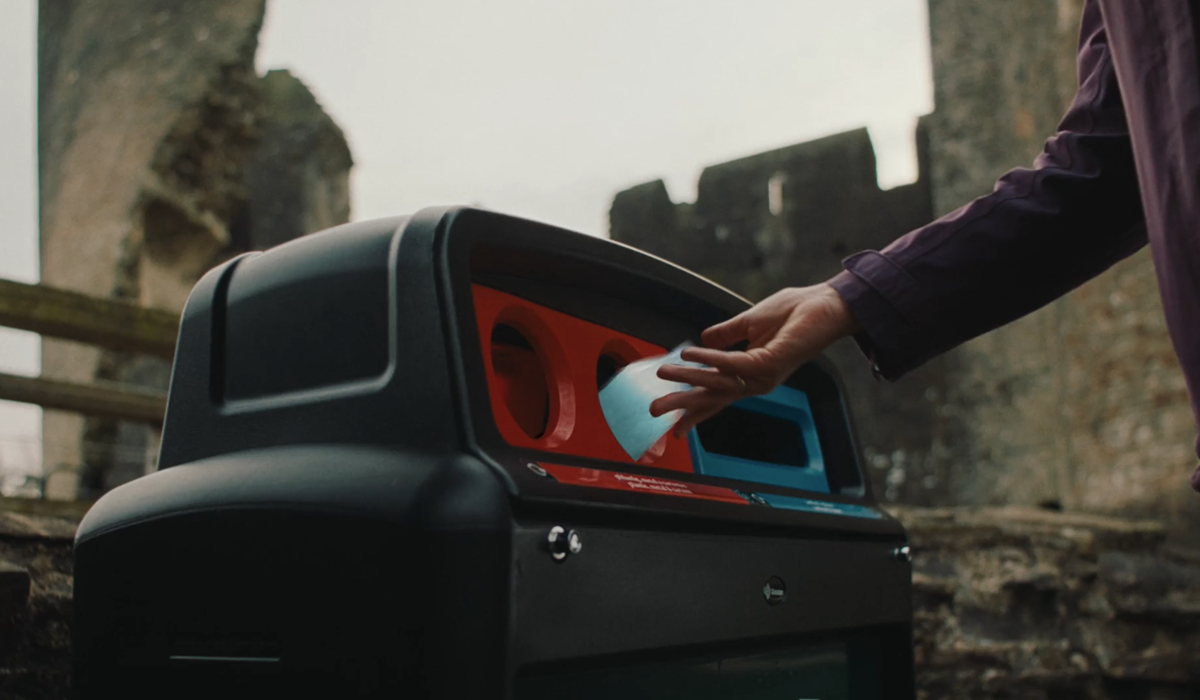
WRAP Cymru is calling on people to take the good recycling habits they have built at home with them wherever their day takes them, while showcasing organisations that are making this easier in practice.
The focus comes more than two years after the workplace recycling law came into force in Wales in April 2024. The law requires workplaces, educational settings and other organisations to separate key recyclable materials including paper and card, glass, metal, plastic and food waste.
Since then, organisations across Wales have been putting new facilities, processes and communications in place to support better recycling – from clearer signage and dedicated recycling facilities to staff and student engagement.
Angela Spiteri, Senior Marketing Manager at WRAP, said:
“Wales is already one of the world's top recycling nations, and a huge amount of hard work has gone into getting us here. But our latest findings show that being a great recycler at home doesn't necessarily mean those habits follow us when we leave the house.
“Now, more than two years on from the introduction of the workplace recycling law, organisations across Wales have been doing a lot to make recycling easier. The next step is helping people build those good habits into their everyday lives, whether that be at work, university or wherever else their day takes them.
“We also want people to understand that putting something in the right bin really does make a difference. Recycling isn't the end of the story; it's the start of a new journey and food waste can be turned into renewable energy.
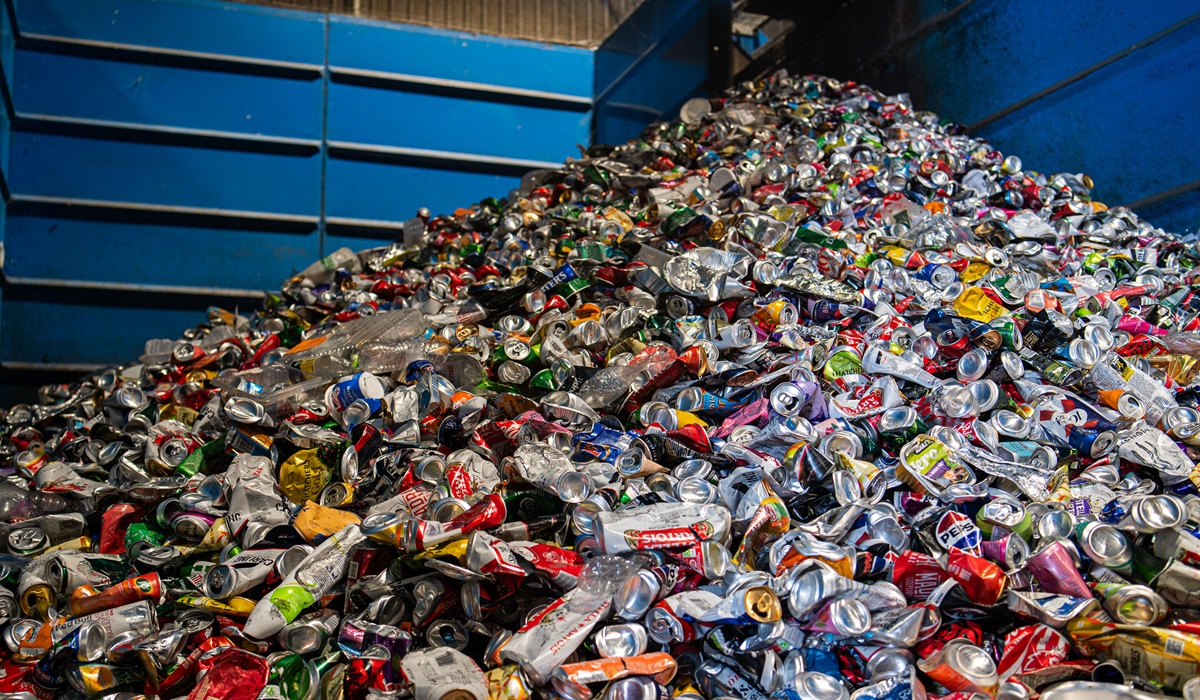
“The impact really adds up. Recycling a single drink can save enough energy to fully charge a laptop more than four times, while recycling six tea bags can generate enough electricity to boil a kettle for another cuppa.”
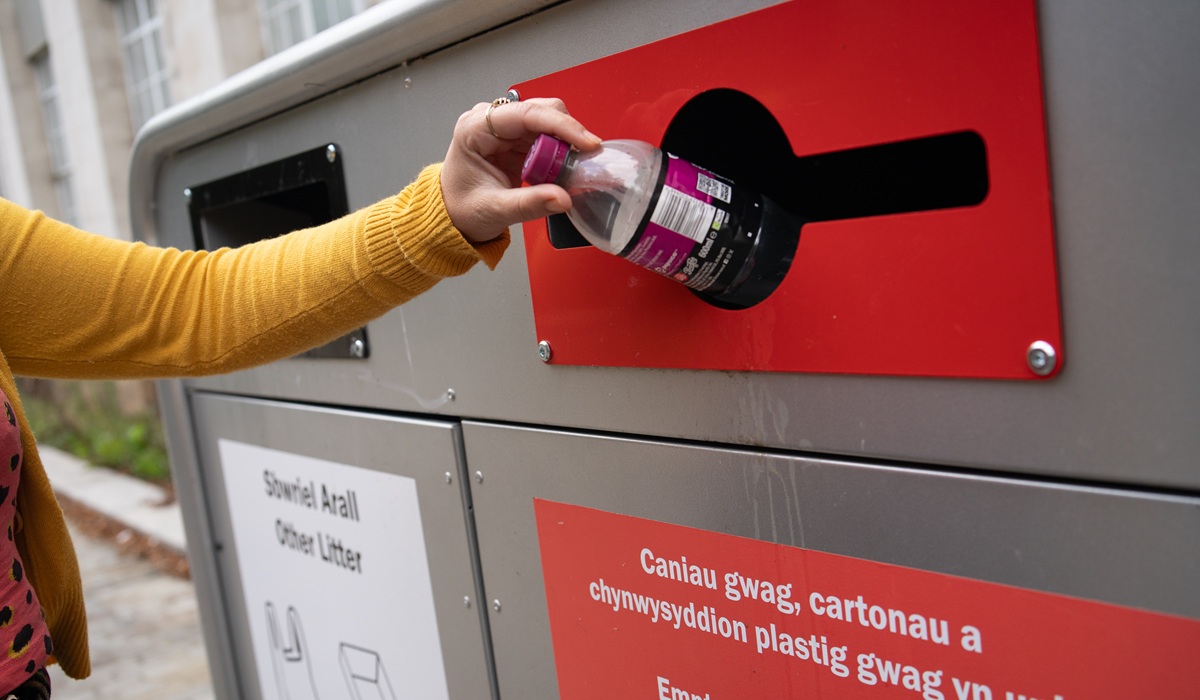
As university terms begin across Wales, WRAP Cymru is working with Cardiff University to highlight how higher education institutions can support students to make recycling part of their daily routine.
With thousands of students using teaching spaces, libraries, cafés, halls of residence and communal areas, universities have an opportunity to make recycling a consistent part of students' everyday routines.
Georgina Taubman, Waste Minimisation Manager at Cardiff University, said:
“Universities can help students establish habits that stay with them long after they graduate.
“At Cardiff University, we want recycling to be as simple and straightforward as possible. That means giving staff and students clear information and making recycling easy to understand in the places they use every day.
“With thousands of people moving through our buildings and shared spaces, small actions can have a meaningful collective impact. Making sustainable choices straightforward supports our wider environmental ambitions and helps our university community play its part.”
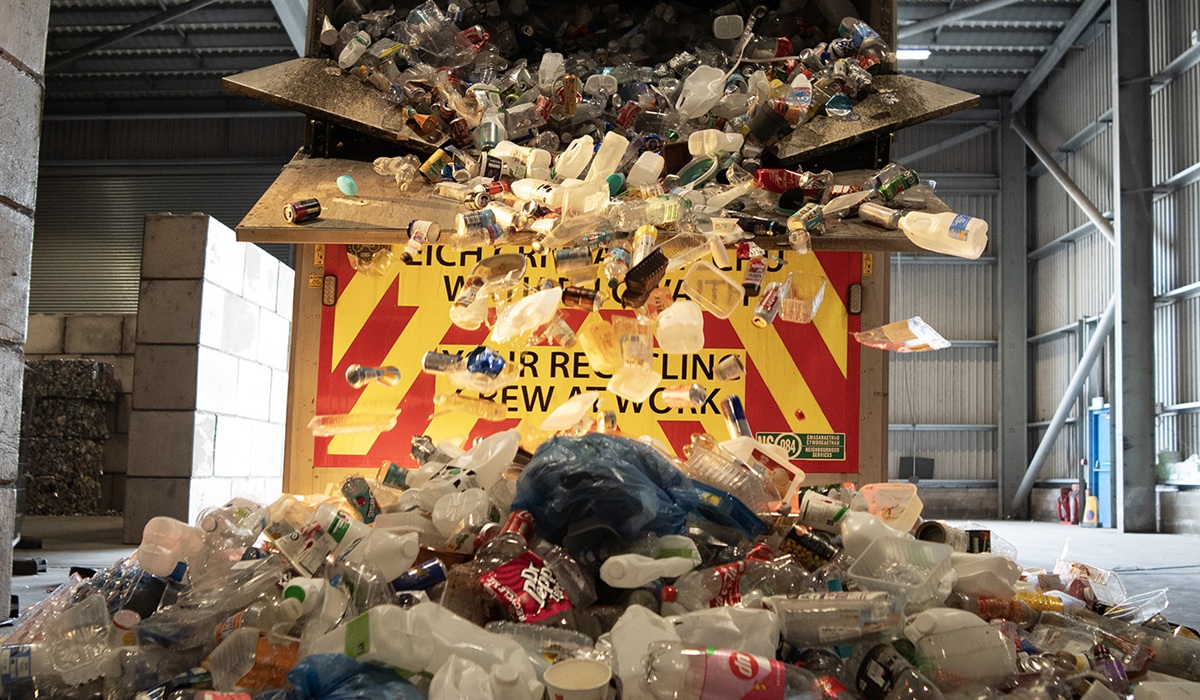
Other employers across Wales are also finding practical ways to make recycling part of the working day.
One example is Cardiff-based law firm Hugh James, which has used workplace signage and staff communications to support colleagues to recycle correctly and help divert more waste into the appropriate recycling streams.
Deborah James, Head of Facilities at Hugh James, said:
“We have always aimed to minimise general office waste through reuse and recycling, but the introduction of the workplace recycling legislation gave us a valuable opportunity to review our approach and reinforce good practice across the business.
“We have recycling arrangements in place for a wide range of materials, including paper, cardboard, glass bottles, plastics, furniture, printer cartridges, toners, mobile phones and IT equipment. We have also used workplace signage and staff communications to make it clear and easy for colleagues to separate waste correctly.
“One of the positive outcomes has been seeing more materials diverted away from general waste and handled through the appropriate recycling streams. It has also helped us continue to raise awareness across the firm and encourage colleagues to play their part in supporting more sustainable workplace practices.”
Cabinet Minister for Sustainability, Llyr Gruffydd, added:
“Wales has earned its reputation as one of the world's leading recycling nations thanks to the collective efforts of households, businesses, public services and communities across the country.
“The workplace recycling law builds on that success by giving people more opportunities to recycle in workplaces, universities and other public places.
“It's encouraging to see workplaces finding ways to support recycling wherever people are. This is worth celebrating this recycle week. Maintaining that momentum will be important as we work towards a more circular economy and a zero-waste Wales.”
WRAP Cymru is encouraging employers, universities and organisations across Wales to use Recycle Week to review how they support recycling and help people maintain positive recycling habits throughout the day.
For more information about Recycle Week 2026, visit Recycle Week | WRAP – The Waste and Resources Action Programme at https://www.wrap.ngo/take-action/recycle-now/recycle-week