Wales has a major opportunity to capitalise on the energy transition, with strategic investment in energy infrastructure potentially unlocking new industrial growth, supporting existing businesses and strengthening the country’s long-term economic prospects.
The National Energy System Operator (NESO) has said that decisions taken today about Wales’ future energy system will be critical to ensuring the country can take full advantage of the economic opportunities created by the transition to cleaner energy.
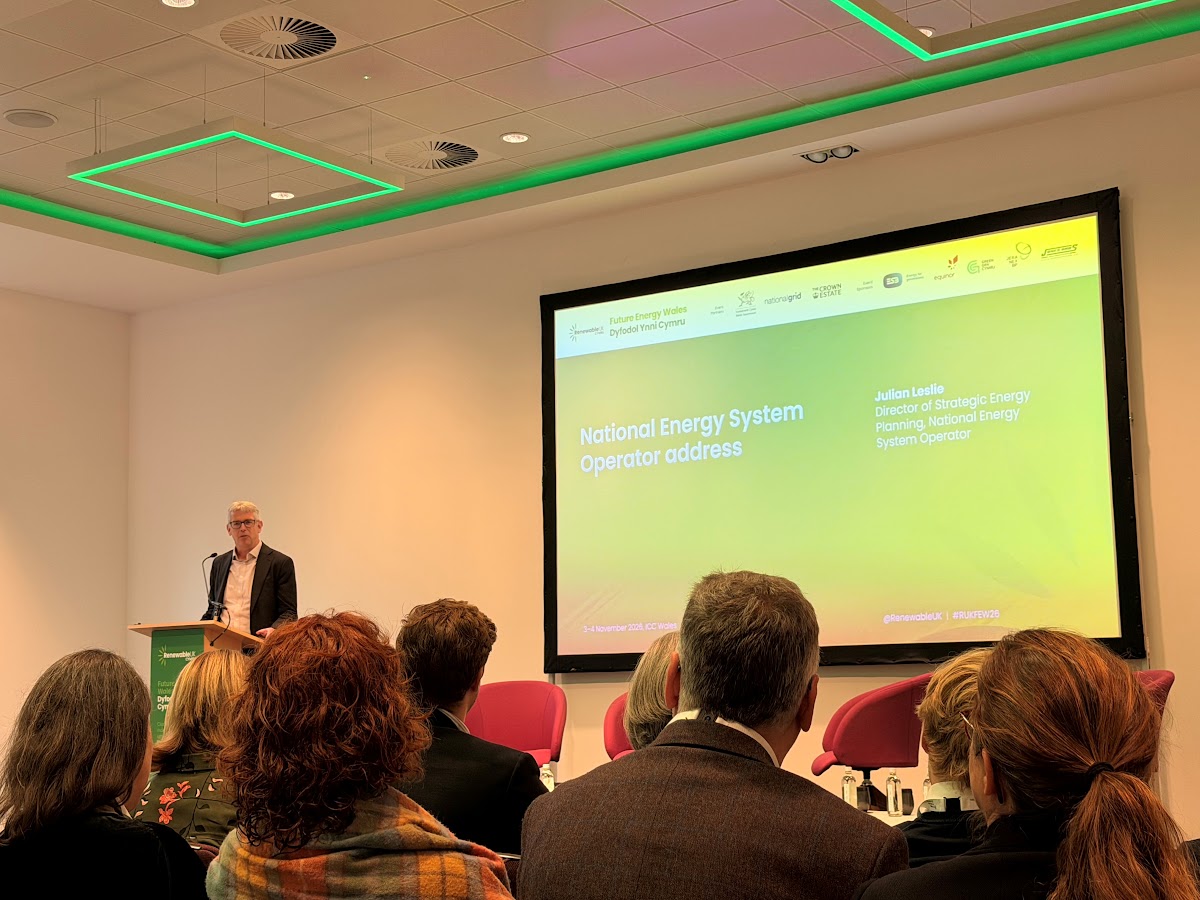
Speaking at Future Energy Wales in Newport, Julian Leslie, NESO’s Chief Engineer and Director of Strategic Energy Planning, highlighted the importance of developing energy infrastructure that can meet future demand, connect new generation and support both established and emerging industries.
With electricity demand across Great Britain expected to increase by more than 30% by 2035, the ability to plan and deliver the necessary infrastructure will become increasingly important to economic development.
For Wales, the challenge is not simply about generating more electricity, but ensuring the infrastructure is in place to connect energy supply with the businesses, industries and communities that need it.
Julian Leslie said:
“Wales has a huge opportunity to capitalise on the energy transition. By working together, we can get this right and ensure the energy infrastructure we plan for today unlocks growth, connects clean generation, supports all homes and powers current and future industries. Planning a strategic energy future in Wales can unlock the next chapter of Wales’ industrial future.”
NESO’s message places long-term energy planning at the centre of Wales’ future economic ambitions. Ensuring sufficient electricity network capacity will be essential not only to accommodate growing demand but also to enable investment, support industrial development and maximise the benefits of new clean energy generation.
Without the necessary network improvements, the costs of managing electricity transmission constraints could also increase significantly.
NESO analysis indicates that, without transmission network reinforcement, constraint costs across Great Britain could treble between 2031 and 2035.
These costs arise when electricity generators are paid to reduce output because the network cannot transport sufficient power from where it is produced to where it is needed. Other generators closer to demand may then be paid to increase production.
Strengthening the transmission network is therefore an important part of creating a more efficient and affordable energy system capable of supporting future economic activity.
NESO is developing a series of strategic plans designed to provide greater clarity about the energy infrastructure Britain will require over the coming decades.
Its Beyond 2030 Update, published earlier this year, outlined recommendations for the transmission network needed during the 2030s.
The assessment considered options against the requirements of the future electricity system, identifying projects that should progress and those requiring further development.
NESO makes independent strategic recommendations based on proposals generally submitted by Transmission Owners, incorporating input from stakeholders including the UK and Welsh governments.
Decisions on funding remain the responsibility of Ofgem, while Transmission Owners are responsible for the detailed design, consultation and construction of projects that proceed.
Looking further ahead, NESO’s Strategic Spatial Energy Plan will establish a long-term view of electricity and hydrogen networks, generation and storage across Great Britain between 2030 and 2050.
The plan is intended to help ensure that future energy infrastructure is developed in a coordinated way, taking account of where energy will be generated, stored and consumed.
Wales will also benefit from a dedicated Regional Energy Strategic Plan, which NESO is scheduled to produce in 2028.
This will establish a shared understanding of future energy supply and demand across the country and provide strategic direction for the development of distribution network infrastructure.
The regional plan will be particularly important in connecting national energy ambitions with the practical infrastructure requirements of Welsh communities, businesses and industries.
NESO is also working closely with the Welsh Government as it develops its National Energy Strategy, helping to ensure that Wales’ future energy ambitions are aligned with independent strategic energy planning.
For Wales, the opportunity is to ensure that the transition to a cleaner energy system also becomes a catalyst for wider economic development.
By planning strategically, coordinating investment and anticipating future industrial demand, Wales has the potential to create an energy system that supports economic growth for decades to come.
As Julian Leslie’s comments underline, the infrastructure decisions made today could play a defining role in determining the next chapter of Wales’ industrial future.