The 18 million tonnes of pulverised fuel ash at the former Aberthaw Power Station could become a major resource for low-carbon construction, manufacturing and circular economy innovation, experts have said.
The opportunity was discussed at a roundtable convened by CCR Energy and hosted by Business News Wales, which is exploring how the ash left on the site can be recovered, processed and reused rather than treated solely as a legacy waste issue.
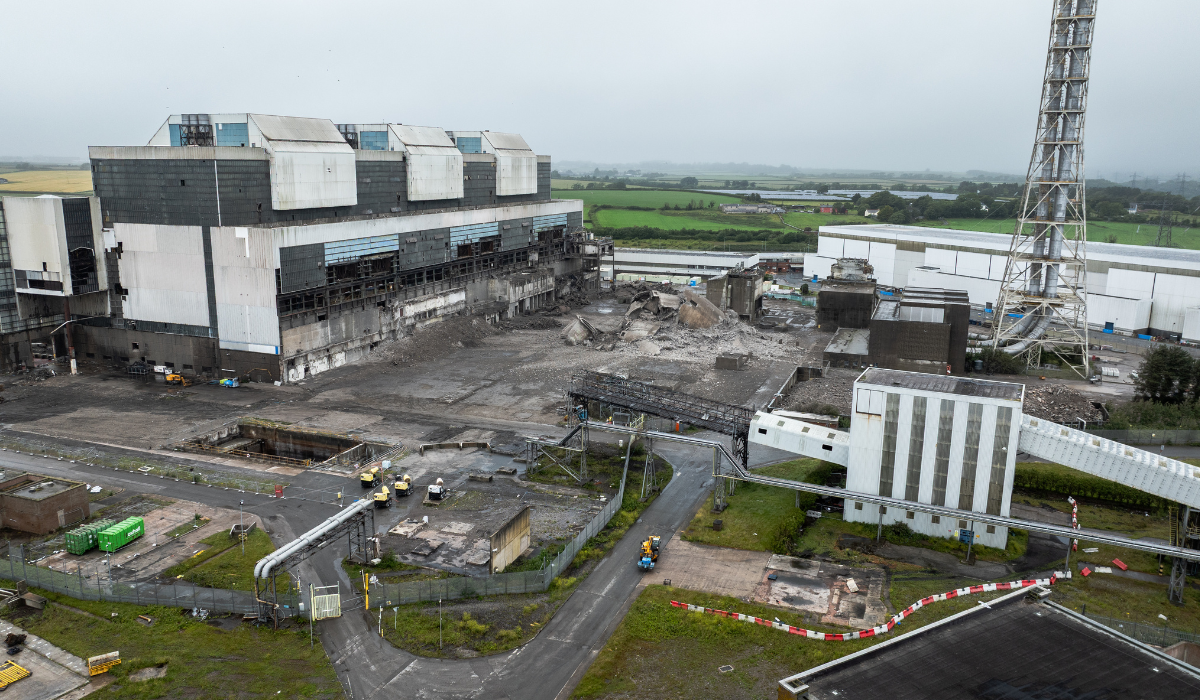
Pulverised fuel ash, or PFA, is the fine ash produced when pulverised coal is burned in a power station. At Aberthaw, it forms a 50-metre-high mound across the former power station site, which CCR Energy acquired in 2023.
The discussion brought together CCR Energy representatives, academic researchers, construction specialists and market stakeholders to consider how the material could be used, what further analysis is needed, and how Aberthaw could develop a long-term commercial route for the ash.
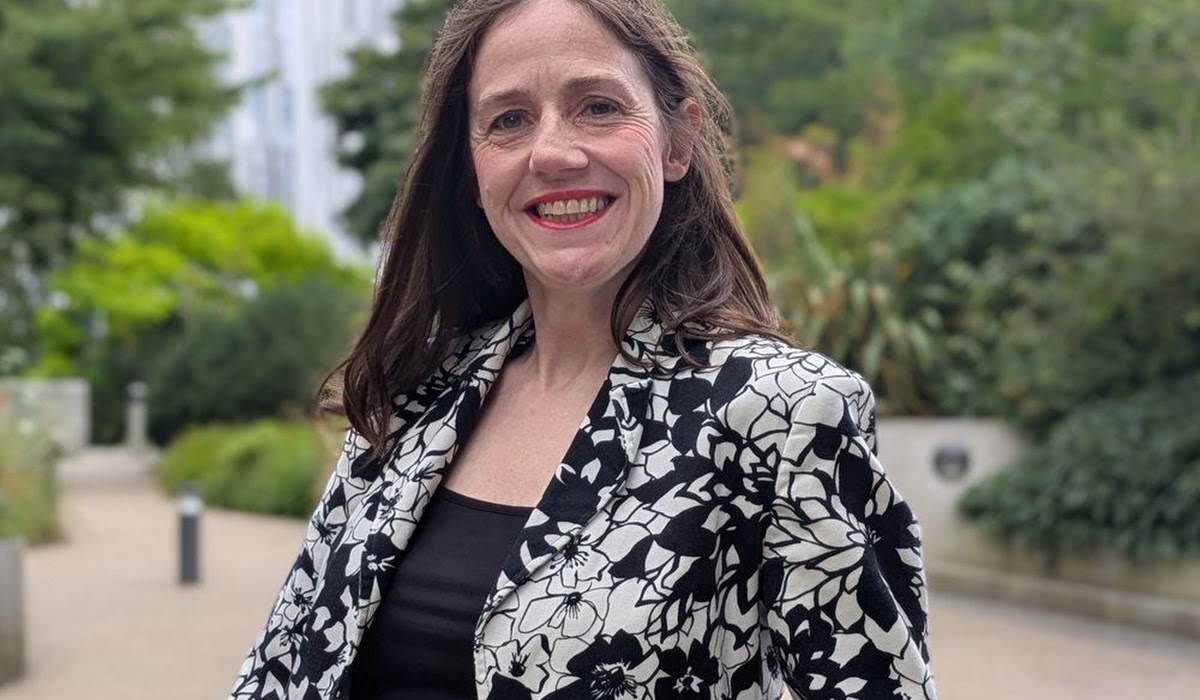
Nicola Windsor, Head of Operations at CCR Energy Ltd, said the organisation was seeking to understand what value should mean in relation to the ash, including both commercial returns and wider circular economy benefits.
She said CCR Energy had been approached by a number of organisations with different views on what the ash could be used for, ranging from established construction applications to more innovative processes. The company has taken 24 boreholes to a depth of 30 metres and is now carrying out further technical analysis to establish a clearer baseline of data.
Nicola said CCR Energy remained neutral on the best route forward and was not backing one technology, company or market over another. She said the aim was to build a plan which could assess technical feasibility, commercial viability and wider public value.
The roundtable heard that established markets, including cementitious materials, blocks, highways, geotechnical work and ground stabilisation, could provide routes for using some of the ash. Contributors also discussed higher-value applications, including geopolymers, rare earth elements, critical minerals and other emerging technologies.
Dr Katie Beverley, Senior Research Officer at Ecodesign Centre, PDR, part of Cardiff Metropolitan University, said the ash should be considered as a future resource rather than a waste material. She told the roundtable that the timeframe for using the material would influence the markets which could be prioritised, with quicker routes likely to focus on established uses, while a longer view could allow more experimentation and higher-value applications to be explored.
Dr Andrea Folli, University Research Fellow in Electrocatalysis and a member of the management team at Cardiff University’s Net Zero Innovation Institute, said the presence of rare earth elements in the ash raised broader questions about how valuable materials could be recovered from resources already available domestically. He said the challenge would be to explore extraction techniques which did not damage the remaining ash or prevent it being used for other purposes.
Dr Nigel Cooke, Director of the UK Quality Ash Association, said Aberthaw should be viewed as part of a national resource. He said the site was one of a limited number of large single-use fly ash deposits in the UK and could make a contribution to demand for secondary cementitious materials.
He also told the roundtable that further technical information, including chloride content, would help open more informed discussions with potential partners and investors.
Ivan Skidmore, Managing Director of Cinis Management Ltd, said the scale of the material, the time available to plan its use, and the existing infrastructure at Aberthaw could support a long-term circular manufacturing opportunity. He said the site should be considered not only as a source of material, but as a place where processing, manufacturing, energy use and skills could be brought together.
Martyn Fear, Managing Director of NCF, said the commercial focus should include what could be made from the ash now. He said building blocks and other construction products could provide a practical route to market, subject to testing, approvals and manufacturing development.
Participants said Aberthaw’s ash should not be locked into a single use too early. Instead, they discussed a portfolio approach, where some material could be used in existing markets while research and demonstrator projects continue to test more innovative applications.
CCR Energy said engagement with Natural Resources Wales and the local planning authority would be central to any future excavation or processing programme. It said local communities would also be kept informed if plans to remove or reuse ash at scale are taken forward.
The roundtable concluded that Aberthaw could become a significant example of industrial resource recovery if the material is assessed carefully, markets are developed responsibly, and commercial partnerships are built around evidence rather than assumption.