GUEST COLUMN:
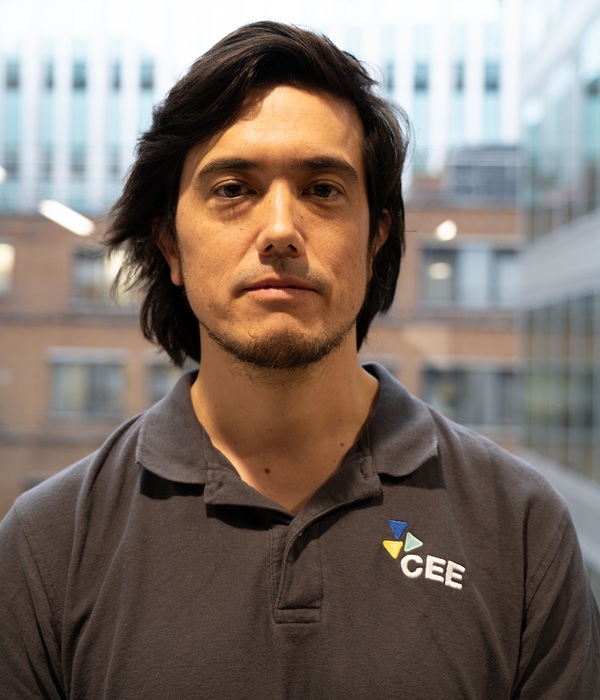
John McHugh
Co-Founder & Director
Centre for Energy Equality
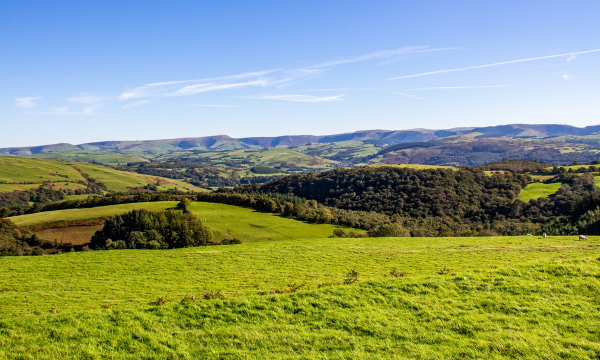
In many parts of Mid Wales, the energy system feels distant and fixed – something that happens elsewhere, is managed by others, and paid for through bills that keep rising. For rural communities, that distance is often matched by limited choice, higher heating costs and networks that are already under strain.
What if communities could play a more active role in how energy is generated, used and shared locally?
HARVEST (Holistic Agricultural and Rural Virtual Energy System Transition) is a collaboration designed to do exactly that. Led by the Centre for Energy Equality and supported through the Whole System Research and Innovation for Decarbonisation programme (WSRID), which is funded by the Welsh Government and delivered locally with the support of Growing Mid Wales, the project is about empowering rural and agricultural communities to generate, manage and trade low-carbon energy in ways that deliver tangible local benefit.
At the heart of HARVEST is the idea of a social virtual power plant. In simple terms, this is a system that digitally links together local energy assets – such as solar panels and batteries in homes and community buildings – and manages them collectively. By coordinating when energy is stored, used or shared, it becomes possible to reduce costs, make better use of existing infrastructure and return value back to the community rather than exporting it elsewhere.
Mid Wales is a strong setting for testing this approach. Rural networks tend to be long, lightly reinforced and expensive to upgrade. Peaks in demand are harder to manage, particularly as homes move towards electric heating and other low-carbon technologies. Housing stock is often older and less efficient, while many households face limited options for reducing their energy bills. These are typical rural conditions and that makes the region well suited to small-scale demonstrators that can be implemented quickly and assessed in real conditions.
Phase 1 of HARVEST focused on feasibility – testing whether the technical and commercial concepts stacked up. Phase 2 is where those ideas move into practice. Over the coming months, we will be installing solar and battery systems in existing homes, working with developers to integrate them into new builds, and equipping community facilities such as a local cricket club with their own generation and storage. We are also connecting a larger existing solar installation into the system, creating a mix of domestic, community and commercial assets.
All of these will be linked through the social virtual power plant platform. That allows batteries to be charged when energy prices are lower, helps households make better use of their own generation, and enables energy to be shared locally. Working with partners who specialise in peer-to-peer energy trading, we will also establish a local matched pool. This means producers within the community can sell electricity locally at a fair price, while other residents can access that energy at a lower cost than standard tariffs.
The intention is not just to demonstrate technical capability, but to test social and financial viability. Can this approach reduce bills in a meaningful way? Can it generate surplus value that communities choose how to reinvest – whether that is expanding the system, improving energy efficiency, or supporting other local priorities? And can it do so in a way that communities themselves can govern and run over the long term?
That question of ownership is critical. While the technology and software are complex, the aim is for organisations like ours to fade into the background over time. With the right tools, local groups should be able to operate these systems themselves, supported by trusted partners on the ground who understand local needs and dynamics. That is why collaboration sits at the core of HARVEST. Technical partners, community organisations and delivery bodies all have distinct roles to play, and none of this works without local engagement and trust.
The next year will be about proving those ideas. Key milestones include completing the installation of batteries and solar systems, bringing all assets onto the shared platform, and finalising the software and governance arrangements needed to operate the system effectively. By the end of this phase, we want to be able to show clear evidence of how a social virtual power plant can work in practice financially, technically and socially – and what would be required to scale it further.
Decarbonising rural economies will demand more than infrastructure upgrades alone. It will require new ways of thinking about ownership, participation and value. HARVEST is one attempt to test those ideas in a real place, with real people, and with the backing of Welsh Government funding through Growing Mid Wales that makes this kind of experimentation possible.
If it works, the learning will not be limited to Mid Wales but could inform how rural communities elsewhere take a more active role in the energy transition.
John McHugh talks about this and more in Unlocking Mid Wales, the Growing Mid Wales podcast. Listen to the podcast here.