






Wales’ construction market is entering 2026 with cautious optimism, supported by continued public sector investment and long-term commitments to energy, infrastructure and digital transformation, according to Rider Levett Bucknall (RLB UK).
The independent built environment consultancy’s latest regional market analysis states that major national programmes, including the proposed Wylfa small modular reactor, Port Talbot’s green industrial transition and the development of AI Growth Zones, are expected to create significant opportunities for contractors working in infrastructure and energy resilience.
These longer term programmes provide some positivity as the market navigates some near term uncertainty as a result of the Middle East conflict.
Daniel Walker, RLB UK Associate based in Cardiff, said:
“Across Wales, on-site construction activity remains steady, with visible progress across major centres including Cardiff, Swansea and several valley towns. However, structural challenges remain. Planning delays, particularly those linked to sustainable drainage system (SuDS) approvals, continue to slow early-stage progress on both private and public sector schemes.
“Despite this and any geopolitical nervousness, the market has seen a slight increase in project starts over the past quarter.”
The report adds that public sector investment continues to underpin activity. Devolved fiscal powers have unlocked an additional £505 million for infrastructure and local development schemes, which is expected to support near-term pipelines across education, healthcare and transport.
Wales is also emerging as a growing hub for digital and energy infrastructure. Data centre investment is continuing, while preparatory works for major future projects such as the Wylfa small modular reactor and the decarbonisation of steel production at Port Talbot are expected to generate significant construction demand in the coming years.
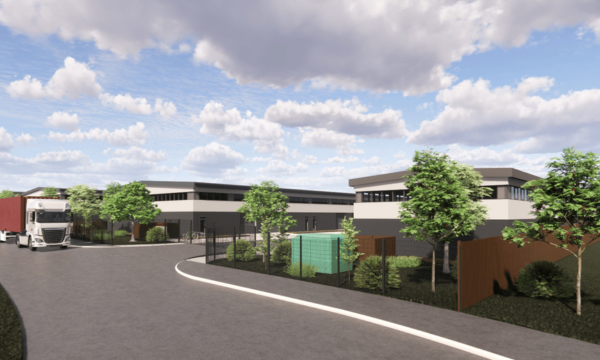
Infrastructure remains one of the strongest performing sectors, supported by transport upgrades and early activity linked to the proposed Crossrail Cymru programme. Industrial and energy-related construction is also expanding as Wales accelerates investment in low-carbon industries and energy resilience.
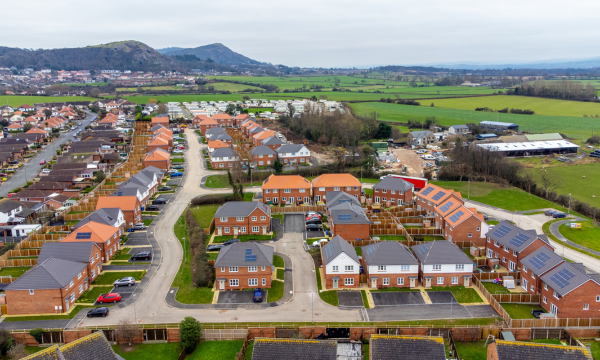
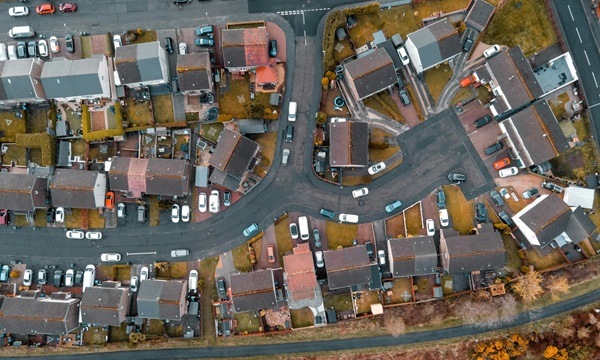
While high-end residential development has softened, affordable housing and build-to-rent schemes remain comparatively strong.
RLB UK is supporting the development of the Cowbridge Road East scheme in Cardiff, which will deliver affordable and sustainable housing in the heart of the city. The team has been working closely with the client and design partners to ensure the scheme remains viable while supporting the delivery of much-needed homes.
Overall, the combination of public sector investment, energy transition projects and digital infrastructure development places the Welsh construction industry on a positive trajectory for 2026 and beyond.
Tender price inflation is forecast to remain stable. RLB’s Tender Price Index (TPI) forecast for 2026 for Wales is 3.4% compared with a forecast of 3.45% nationally.