
I’ve written articles about the founders of the South Wales Valleys twice in the past few months.
First about the tribe and how the loyalty that holds our communities together can also stop founders asking for help. Then about the cost and what growth takes out of the person carrying it.
This time I want to write about the opportunity. Because I think 2027 gives the Valleys a genuine shot at something bigger and I’m worried we are about to miss it.
I grew up in Mountain Ash. I have watched announcement after announcement arrive with ambition and leave our towns exactly as they found them. What makes 2027 different is not the amount of money available, it’s where the decisions to spend it will be made and by whom.
What is genuinely new
Last week Cardiff Capital Region set out a ten year vision for South East Wales, built on a “Welsh Way” of growth and the idea of “connected success” between our cities, towns and communities. It is a welcome ambition. But ambitions have been published before. Four things sitting underneath it are new and all of them land in 2027.
Regional money, decided regionally. The £546.5 million Local Growth Fund came into play this year. From 2027, the regional Corporate Joint Committees, Cardiff Capital Region among them, take over planning and investment decisions. Funding is now plan led and the regional growth plans that steer it are being written now.
Generic support is out. The fund’s guidance is blunt, business support must have a clear productivity or labour market rationale and generic business provision will not be funded. Support in 2027 will chase businesses that can show they are going to grow.
A new national target and a new agency to deliver it. The Welsh Government wants to halve the productivity gap with the rest of the UK within ten years. In 2023, output per hour in Wales was 84.9% of the UK average. The panel designing a new National Development Agency began meeting in October and is due to report in around six months.
A deadline for rural Wales. Basic Payment support for farms falls to 40% in 2027 and ends in 2029. For thousands of rural businesses, diversification has stopped being optional.
More decisions, made closer to us, with sharper criteria. That’s the real opportunity for the Valleys.
Money follows the ready
Funding rarely serves the best business. More often than not it serves the business that is prepared, visible and able to explain itself.
Look at Sbardun, the Welsh Government’s new programme for high growth firms. Its first cohort of twenty is being drawn from existing Development Bank of Wales customers. The first door to open went to businesses that were already in the room.
Now look at what I see across my own desk.
A Valleys business turning over well above a million pounds a year, with one public sector customer providing around 60% of its income. When we sat down to plan its growth, nobody in the room could say what margin it made on any single service. Every sale ran through two people.
A Welsh tech business whose accounts showed certain product lines at 100% profit, because costs had simply never been recorded against them.
A family farm that diversified into holiday rentals and came to us needing grant funding as soon as possible. Our first job wasn’t to build a bid. It was mapping which funds even existed.
These are good businesses run by capable, hard working people. None of them could yet have answered the first question a 2027 funder will ask: show me your productivity story.
There is no problem here with talent, the problem sits completely with readiness. But that’s fixable. Within weeks, the first of those businesses had new financial software, a pipeline it could track and written procedures for every part of the operation. Another client of ours, once its founder stepped back and put a management team in place, recorded its first six figure month in years.
It’s work. And that work can start this week.
What Valleys founders should do now
Stop waiting to be invited. In my first article I described our tribal instinct to trust our own and wait to be asked. In 2027 that instinct will cost us. The regional plans will be written in meetings most Valleys founders never attend. Go to them. Respond to the consultations. Introduce yourself to your council’s business team and to Cardiff Capital Region before there is a fund to apply for.
Get on the radar of the funders now. Sbardun drew its first cohort from businesses the Development Bank already knew. Have the conversation with them, or with your bank, while there’s nothing at stake.
Learn to tell your productivity story. Know your margin by product or service. Know your turnover per employee. Know which customers you depend on. Then put it on one page: where you are, where you will be in three years, the jobs and wages that growth creates and what would unlock it.
Build a bigger tribe. The loyalty that makes Valleys businesses hard to reach is also our greatest asset when we pool it. Three firms from Aberdare, Merthyr and Tonypandy bidding together for a supply contract stand a far better chance than three bidding against each other, whether that contract sits in the new Investment Zone or in the public sector. Bring our social enterprises and charities into those partnerships too. They know our communities better than anyone.
If you farm, model 2027 now. Run your accounts with Basic Payment support at 40%, then at nothing. Then decide what the diversification plan is and fund the plan, rather than letting the funding dictate this for you.
Protect the person carrying it. None of this works if the founder burns out first. Find your peer group, your mentor or your board before the pressure arrives.
The door is opening
The Valleys have heard plenty of promises. This time the decisions are coming closer to home and the criteria are clearer than they’ve ever been.
The question is no longer whether there will be opportunity in 2027. The question now is will our founders be standing at the door when it opens, or reading about who walked through it.
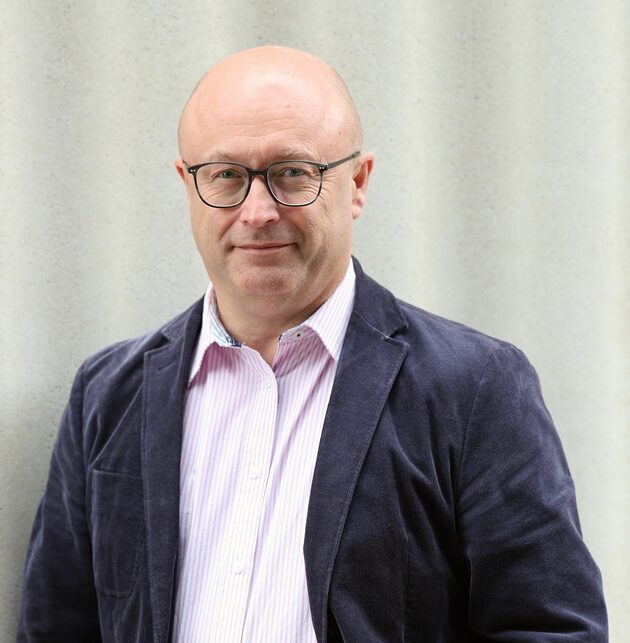
Tomas Phillips is the Founder of Blackline Academy, a business consultancy organisation helping founders across the Cardiff Capital Region and Wales to grow. Raised in Mountain Ash in the Cynon Valley, he started his first business at sixteen and has spent 16+ years in the Welsh SME ecosystem.