
The next decade will define whether South Wales can stay at the forefront of a global industry facing a workforce shortfall of up to 300,000 people. For a region that has built the world’s first compound semiconductor cluster, the challenge now is scale – and scale depends on talent.
Over the past ten years, we have created a world-class ecosystem for advanced materials and manufacturing, built on collaboration rather than competition. Universities, FE colleges, Catapult centres and industry partners now work together in a way that simply did not exist before.
That shared approach has supported the creation of around 3,000 jobs across the cluster, driven major inward investment, expanded cleanroom capacity in Cardiff and Swansea, and enabled us to introduce thousands of people to the sector through outreach. Working with the WJEC, we have also helped establish Wales’ first semiconductor qualification, giving learners a clearer route into a field they might not previously have known existed.
The demands ahead are different in scale and nature. A global shortfall of this size means regions with established strengths will feel real pressure. For us, it means rethinking how we build and maintain a talent pipeline that is ready not only for today’s roles but for the next wave of growth in cleanroom operations, process engineering and advanced manufacturing.
Discussions across the cluster point to the same conclusion: we need a step change in training capacity across FE, HE and industry, alongside a more long-term approach to skills planning. Reacting year by year will not be enough. We need policy alignment that looks five to ten years ahead.
A significant part of the challenge is awareness. When people discover the cluster and understand the kinds of opportunities available, they often ask what skills they need to take part. Many of the attributes employers look for – problem solving, creativity and adaptability – are already being developed through a wide range of qualifications, including vocational Level 3 routes. Helping people recognise that is essential if we want a broader and more diverse pool of future talent.
This is why early outreach remains critical. The pupils we engage with in primary schools today will be entering the workforce within the next decade. Reaching them before they choose GCSEs, again when they consider college, and again as they weigh up apprenticeship and degree routes helps build a steady and informed pipeline. We work with several outreach organisations across South Wales, and we have mapped their activity to ensure schools with high levels of free school meals and those that may have missed out on STEM engagement in the past are included. This approach is about widening participation, but it is also about meeting the future needs of an industry that is growing quickly.
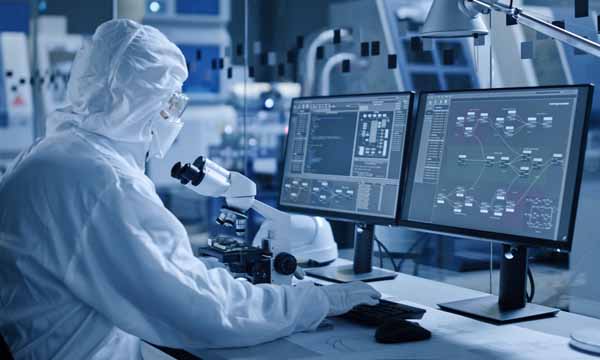
Across the region, cleanrooms are already scaling, and demand is increasing for equipment technicians, operators, yield engineers and packaging specialists. To keep pace, we need strong cooperation between employers and education providers. Regular engagement allows all of us to understand what new facilities will require, what qualifications need to evolve and where new CPD options might support those already working in the sector. That shared understanding helps to ensure that our training routes match the reality of modern semiconductor manufacturing.
As a not-for-profit organisation, CSconnected has an important role in bringing partners together and securing the investment needed to strengthen the skills landscape. Awareness grows when schools, colleges, universities, teachers and parents can all see the opportunities on offer. With support from Welsh Government and the UK Government, we can reinforce the message that this is an industry with long-term prospects, rooted here in South Wales for several decades and continuing to expand.
If the first decade showed anything, it is that Wales is not simply taking part in the compound semiconductor industry; it is helping to shape it. We now have the foundations of a world-class cluster and an ecosystem that is driving skills, innovation and opportunity across the region. The next ten years will be defined by scale – scaling talent, deepening partnerships and ensuring that the future of electronics continues to be engineered in Wales.
The opportunities ahead are far greater than any single organisation. When we work as one region, our talent becomes Wales’ greatest competitive edge. We are not just preparing people for the jobs of the next five or ten years; we are helping to build the industries they will eventually lead. That is what will keep this cluster moving forward at the pace the global sector demands.
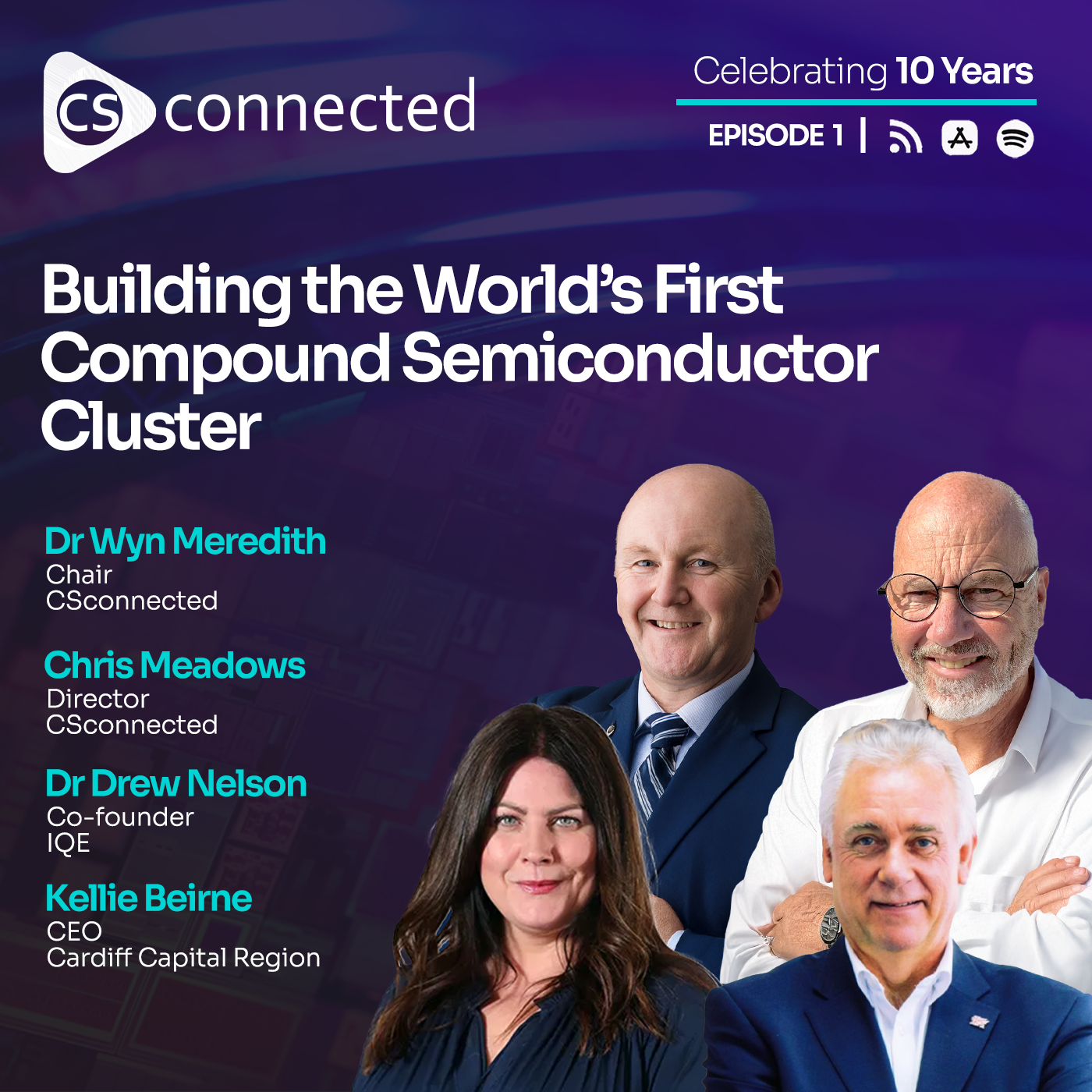
Brandon Jones talks about this and more in the CSconnected podcast. Listen here.