


GUEST COLUMN:
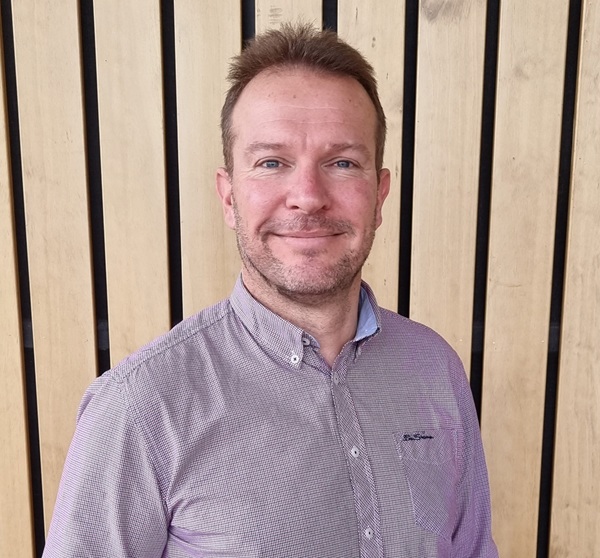
Richard Mann
Chief Executive
United Welsh Group
As a new Senedd term begins, working towards a shared vision to deliver housing for our communities is going to be vital.
The newly formed Welsh parliament has an opportunity to move Wales away from managing short-term pressures to bringing long-term change in housing.
Partnerships involving housing associations and local authorities can play a key role, leading to more efficient delivery of homes, boosting volume and reducing cost.
That is why projects such as Tai ar y Cyd can help us deliver the homes we need for future generations.
Tai ar y Cyd is a unique collaboration involving social landlords, government and industry experts from across Wales, including United Welsh, who share a vision of delivering affordable, high-quality homes for our communities.
Following a groundbreaking pattern book of house designs, new homes will be constructed to meet the highest standards of low-carbon performance.
More than 400 homes are being built on new sites as part of the prototyping phase, following the designs of the pattern book.
Celtic Offsite, a social enterprise within the United Welsh Group, will be one of the factories which will manufacture the timber frames for the homes.
Celtic Offsite was established in 2022 to build timber frame homes featuring factory-fitted insulation and windows, with the intention of investing profits into the decarbonisation of existing homes in Wales.
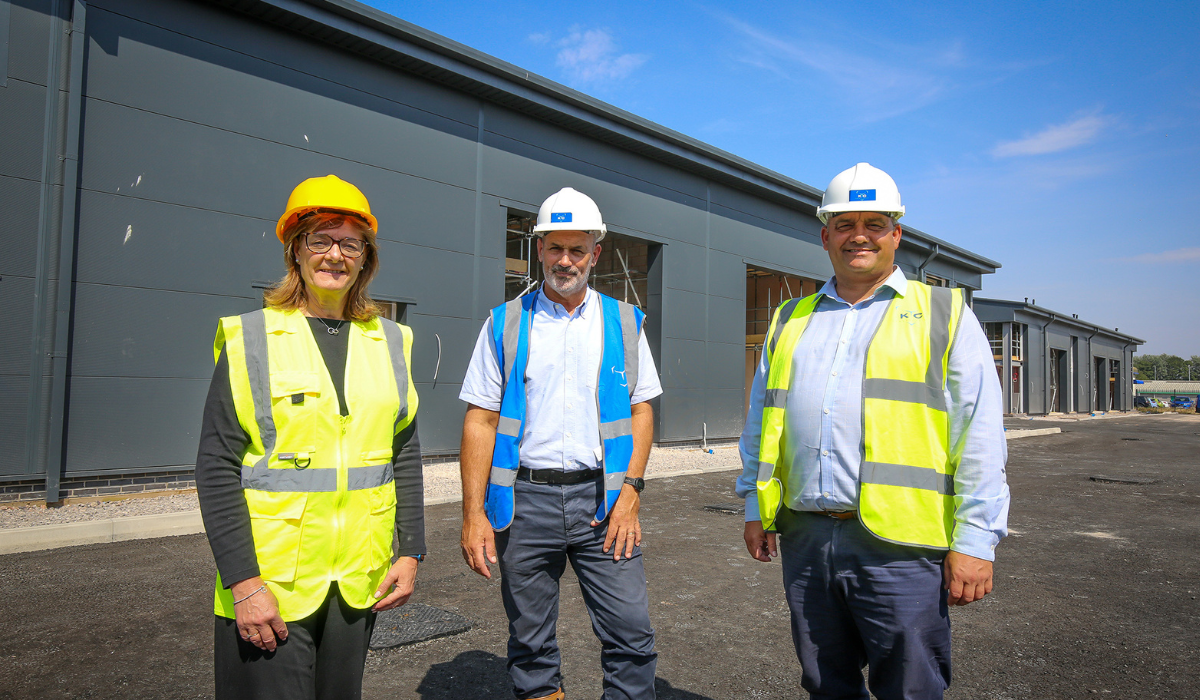
As part of Wood Knowledge Wales’s 2026 WoodBUILD conference programme, representatives from WoodBUILD visited Celtic Offsite’s factory in Caerphilly to see the manufacturing process.
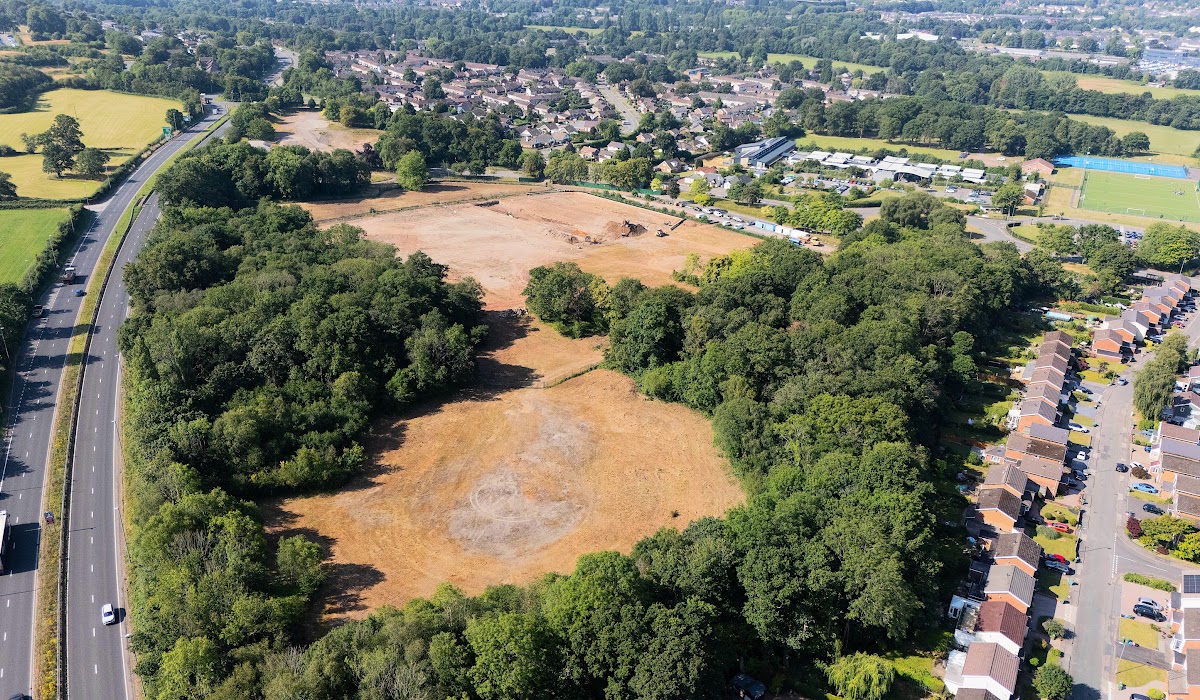
They were also given a tour of United Welsh’s Parc Windsor development in Abertridwr, where the first of the Tai ar y Cyd prototype homes are proposed to be developed.
It is well known that timber is a natural resource in Wales and is key to decarbonisation.
The Welsh Government’s Timber Industrial Strategy, launched in 2025, aims to increase the use of timber products that are grown and manufactured in Wales.
It is hoped that greater use of timber in construction will secure the forest industry's future, supporting new investment, jobs and improved carbon outcomes.
Plaid Cymru has said it will use public procurement to develop the supply chain for Welsh timber and work with the sector to deliver the strategy.
Its manifesto for the 2026 Senedd Election said: “Wales has yet to fully realise the potential of its timber as a sustainable resource.”
Tai ar y Cyd could provide an opportunity to explore this potential in social housing, as well as demonstrating the role housing can play in the wider Timber Industrial Strategy.
The project is seen as embodying the approach which the industrial strategy aims to take more widely.
As Huw Irranca-Davies (then Deputy First Minister and Cabinet Secretary for Climate Change and Rural Affairs) said at the time of its launch:
“At the core of this strategy is a sense of working together to overcome the challenges and to seize the opportunities to support local supply chains to boost the potential value we gain from our timber, all the way from forest to product.
“I am keen for our forests to be in active, sustainable and diverse use, providing economic, environmental, social and cultural benefits to the people of Wales for many centuries to come.”
Timber is considered to be the most sustainable building material with the lowest embodied carbon. Homes can be built more quickly than other methods, increasing the pace of housebuilding, as well as meeting higher energy and carbon standards.
Timber frame homes could play a significant role in helping to meet Plaid Cymru’s target of delivering at least 20,000 new social homes by 2030.
The homes built as part of Tai ar y Cyd will also be high-quality, designed to meet both Welsh Development Quality Requirements and Welsh Housing Quality Standards.
This approach ensures that investment in new homes contributes to local economic regeneration by supporting local businesses and creating green jobs and training opportunities.
The project aims to support our local economies and grow the number of skilled jobs across Wales; it is a strong example of how having a long-term vision for housing can support the creation of sustainable employment opportunities.
Investing in homes also means lower energy bills, better health, stronger communities and a more resilient economy.
A long-term plan can help us build stronger communities and give more people the security of a safe place to call home.
It is vital that we work together if we are to deliver the high-quality, affordable and low carbon housing needed in Wales.
Tai ar y Cyd shows that when we come together with a shared vision, we are in a stronger position to meet the needs of our communities, delivering high-quality, energy efficient homes where residents can thrive.