





Growth in the Welsh food processing sector is being limited by the importing of meat from countries that do not comply to the high environmental and welfare standards that Welsh farmers and processors are governed by, a Senedd committee is warning.
Food processing adds £7 billion to the Welsh economy, supporting jobs, communities and food security across the country. However, the industry needs government help so it can grow and thrive, according to a new report by the Senedd’s Economy, Trade and Rural Affairs Committee.
The Committee is urging the Welsh Government to take stronger action to shore up the food processing sector and help key businesses to grow. It says this will create robust local supply chains, increase food security and sustainability and help people enjoy high quality food produced in their own communities.
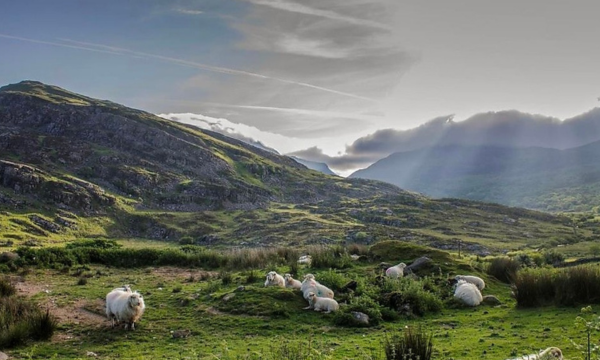
The report warns that the decline in Welsh livestock numbers could threaten the viability of Wales' red meat industry, leading to Wales filling the gap by importing lower quality, lower welfare and higher carbon meat. It calls on a future Welsh Government to consider introducing a headage payment similar to the Scottish Government’s suckler calf premium to encourage growth in premium beef production.
It also finds that public sector procurement could play a much stronger role in supporting Welsh food businesses by creating stable, long‑term demand.
Andrew RT Davies MS, Chair of the Economy, Trade and Rural Affairs Committee, said:
“Food processing is big business in Wales and it has the potential to do even more for our economy, our environment and our communities.
“Our report sets out a vision for a resilient, sustainable, and thriving Welsh food processing industry which will create more jobs and help grow our economy.
“To achieve this vision the next Welsh Government must create an overarching and holistic strategy for the whole food system, align Government food policy, support the food processing sector, and prioritise sustainability and food security.
“The next Welsh Government must also have a plan for our meat processing industry. Abattoirs need throughput and without it they will close. Further reductions in Welsh live stock numbers may require us to import lower quality, lower welfare and higher carbon meat to fill the gap.
“By supporting local processors, using public procurement more effectively and setting clear ambitions for food produced in Wales, the Welsh Government can help build a more resilient and sustainable food system that works for everyone.”
Successful initiatives such as the Welsh Veg in Schools project are increasing the supply of locally produced organic vegetables in primary school meals, the Committee found. Wales’ universal free school meals policy provides the stable demand, demonstrating how public sector procurement can support local producers while improving environmental outcomes and access to healthy food.
Dr Siobhan Maderson of the Local Policy and Innovation Partnership for Rural Wales (LPIP), Aberystwyth University :
“The work of Welsh Veg in Schools project is exemplar in this field. Concrete support from the Welsh Government can support its expansion to meet its goal of 25% of all food in Wales’s primary schools to be locally, organically produced by 2030.”
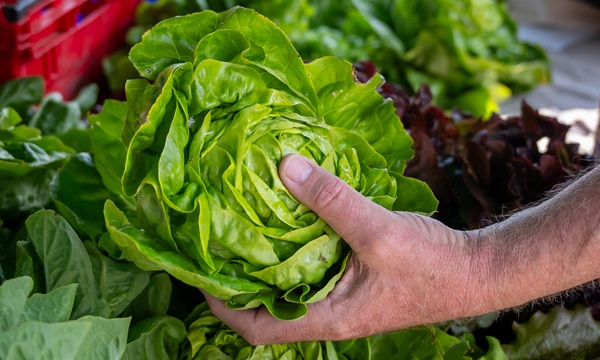
To boost food security and unlock further growth, the Committee is calling on the Welsh Government to adopt Food Policy Alliance Cymru’s target for 75% of vegetables consumed in Wales to be produced in Wales.
However members say significant investment is needed in horticulture to meet targets, including polytunnels, washing, cutting and storage facilities.
Key recommendations:
- Create a joined up food strategy for Wales
- Protect Welsh meat processing and food security
- Back growth in Welsh horticulture by committing to a target of 75% of vegetables consumed in Wales to be produced sustainably in Wales
- Set out clear action to support the Welsh seafood processing sector
- Use public procurement more strategically
- Consideration of a suckler calf premium
The Welsh Government must now respond to the Committee’s report.