Skills planning must begin early in major investment programmes if businesses and communities are to benefit fully from new jobs, regional skills leaders have said.
Speaking on the Business News Wales People and Skills podcast, representatives of the North Wales, South West Wales and Cardiff Capital Region skills partnerships said employers, education providers and government already have a strong understanding of many current and future workforce pressures, but that intelligence must translate more quickly into training, qualifications and clear routes into employment.
Major developments across the regions include the Celtic Freeport and floating offshore wind in South West Wales; nuclear power, artificial intelligence, advanced manufacturing and renewable energy projects in North Wales; and growth in compound semiconductors, digital industries and advanced manufacturing across the Cardiff Capital Region.
Dean Ward, Chair of the Regional Learning and Skills Partnership (RLSP) for South West Wales, said workforce planning needed to progress alongside investment and infrastructure.
“The workforce pipeline must run in parallel with that infrastructure pipeline,” he said.
“The RLSP is working to be at that master-planning stage and not just at the procurement stage – that is, to make sure these conversations around future skills and workforce needs are happening at the earliest possible point.”
Dean said the Partnership worked to bridge the public and private sectors, while its industry clusters gave employers a direct route into discussions with colleges, universities and public bodies.
He argued that this was particularly important for SMEs and microbusinesses, which can struggle to navigate apprenticeships, funding and training provision while managing day-to-day operations. Skills support needs to be simpler to access and flexible enough to fit the way smaller employers operate, he said.
In North Wales, Regional Skills Partnership Chair David Roberts described the organisation as an “orchestra leader”, bringing together employers, education providers, government bodies and business organisations to develop a shared understanding of demand.
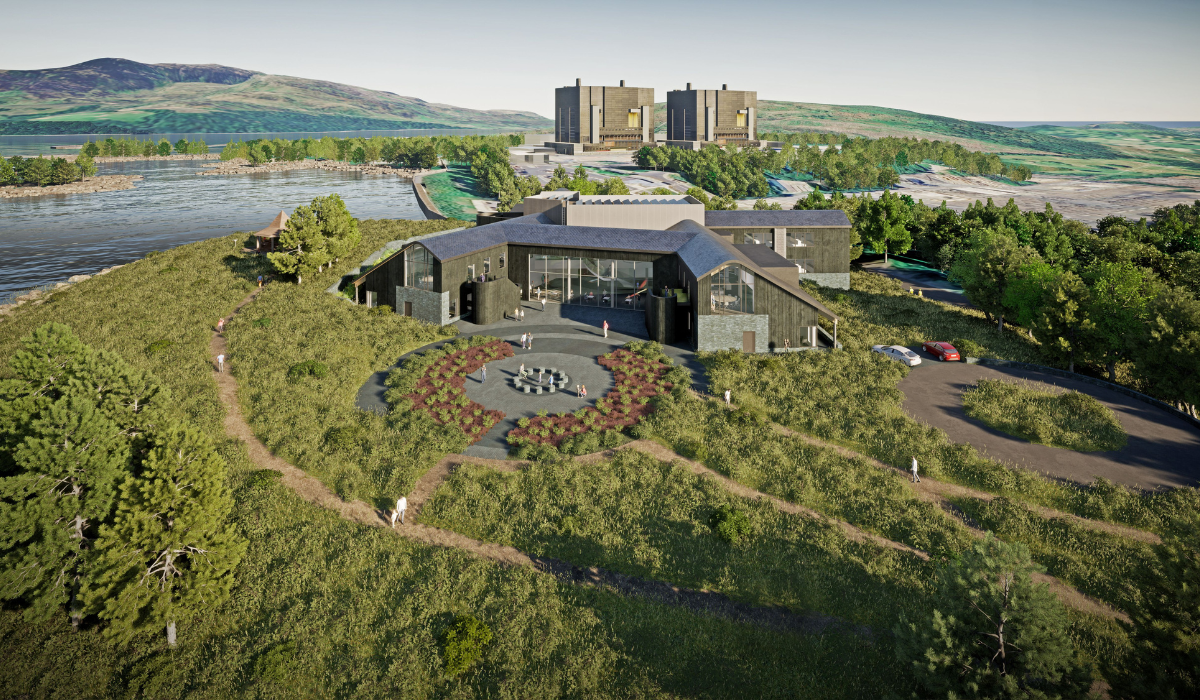
The Partnership is involved in regional discussions around the Flintshire and Wrexham Investment Zone, the AI Growth Zone, Anglesey Freeport and planned small modular reactors at Wylfa.
Regional Skills Manager Sian Lloyd Roberts – who has taken up a secondment with Welsh Government since the episode was recorded – said the Partnership was mapping when jobs linked to major developments were likely to emerge and which skills they would require. That work was also identifying points at which different projects may compete for the same construction, engineering, digital and transferable skills, she said.
Building a comprehensive picture of regional needs means including both major developers and smaller companies in their supply chains, Sian said. She added that skills planning had to extend beyond technical qualifications to communication, teamwork, critical thinking and digital capabilities across sectors.
The Cardiff Capital Region Skills Partnership said its approach was led by employer demand and supported by labour market intelligence.
Chair Leigh Hughes said its Prosperity through Partnership principle was intended to move organisations beyond general commitments to collaboration and towards shared delivery. Employers, providers and government each had a role in shaping provision and creating routes into employment, he said.
Regional Skills Partnership Manager Caryn Grimes said real-time evidence on shortages including digital engineers, data analysts, primary care workers, early years staff and chefs was already being used in discussions with colleges, universities, training providers and government.
“When providers and employers and local authorities and government are all aligned, that’s when you see the foundations of this real prosperity,” she said.
Caryn said the region also needed longer talent pipelines for specialist sectors including compound semiconductors, engineering and emerging green technologies, alongside provision for foundational sectors such as health, care, hospitality and tourism.
Across the three regions the podcast heard that training must respond rapidly to changing economic demand while remaining accessible to young people, existing workers and career changers.
Hear more on the People and Skills podcast here: