
Skills leaders from across Wales are calling for a more coordinated and long-term approach to skills, learner support and economic growth, following a roundtable hosted by Cardiff and Vale College in partnership with Business News Wales.
Bringing together leaders from further education, higher education, training, technology, renewable energy and industry, the roundtable focused on how Wales can build on its existing strengths to deliver a more joined-up system that benefits learners, employers and communities.
Wales already has strong skills provision, participants said, including high-performing colleges, apprenticeship providers, university expertise and sector partnerships. The opportunity now is to bring these elements together more effectively to create a system that is easier to navigate and more responsive to need.
The introduction of Medr and the Tertiary Education and Research Act was highlighted as a significant step forward, providing a framework to strengthen collaboration across schools, colleges, apprenticeship providers and universities. Attendees agreed that this presents a valuable opportunity to develop clearer pathways and ensure that learners are supported at every stage of their journey.
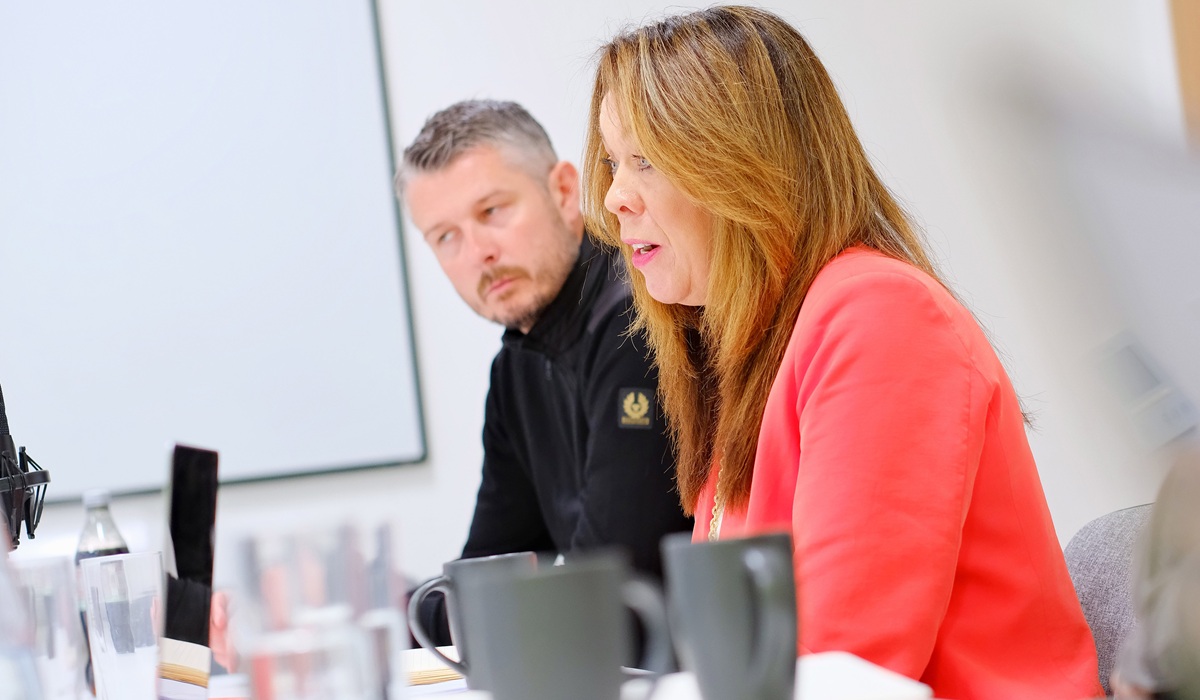
The discussion identified a number of practical actions that could support this action, including:
Developing greater multi-year funding certainty for further and higher education, apprenticeships and training providers, supporting long-term planning and responsiveness.
Continue to align skills investment with economic growth policy and priority sectors including AI, cyber, compound semiconductors, creative industries, renewables and advanced manufacturing.
Deliver clear support for 14 to 16 pathways, including junior apprenticeships, to help young people who are disengaging from academic routes.
Strengthen post-16 transition routes, including access to FE, HE, apprenticeships, degree apprenticeships and business start-up support.
Reaffirm apprenticeships as a core pillar of the tertiary system, with parity alongside academic routes and sustainable funding for all-age apprenticeship delivery.

Enhance learner support, including transport, digital access and wellbeing support, so that practical barriers do not prevent participation.
Use AI and digital tools to support existing sectors, including manufacturing and health, through upskilling, innovation funding and collaboration.
Take a more place-based and data-led approach to understanding and addressing local challenges.
Sharon James Evans, Principal of Cardiff and Vale College, said:
“Wales has a strong skills base and a real opportunity to build on what already works. By strengthening collaboration across education, employers and government, we can ensure that investment in skills supports both economic growth and inclusive opportunity.
“The development of a more joined-up tertiary system gives us the platform to do this — aligning provision more closely with the needs of our economy and our communities.”

Funding pressures across further and higher education and training were highlighted, including a significant shortfall already identified for FE colleges in 2027-28, as well as wider concern about funding instability for apprenticeship delivery. Roundtable participants said short-term funding made it harder for providers to plan, invest and respond quickly to employer need.
Learner poverty was also identified as a major barrier. The group said transport, digital access and wellbeing support should be viewed as part of Wales’ economic infrastructure, and not as separate welfare issues.
James Scorey, Deputy Principal at Cardiff and Vale College, added:
“Creating opportunity for young people is about clarity and connection so we can make sure they can see the pathways available to them and are supported to move through them. That includes further education, apprenticeships, higher education and, the option to start a business. By working together, we can ensure those opportunities are visible, accessible and meaningful.”
Participants agreed that strong partnerships between providers, employers and policymakers will be essential to delivering a system that works effectively for Wales. The shared view was clear: by building on existing strengths, improving alignment and maintaining a focus on collaboration, Wales can develop a skills system that supports growth, innovation and opportunity for all.