
Responding to immediate pressures and long-term change
When people think about growth in rural and agricultural businesses, the focus is often on long-term change, such as new infrastructure, diversification or succession planning. In reality, many of the most important decisions are made step by step, with businesses having to respond to immediate pressures as well as long-term opportunities.
Across Mid Wales and other rural parts of the country, businesses are balancing a unique set of challenges. Seasonal patterns, fluctuating input costs and changing environmental expectations all shape how and when investment decisions are made. At the same time, there are clear opportunities for businesses that are ready to adapt, whether that is improving efficiency, reducing carbon impact or developing new income streams.
That’s why access to the right type of finance is so important. Not just in terms of availability, but in terms of flexibility; funding that reflects how rural businesses actually operate.

At the Development Bank of Wales, we see that firsthand. Agricultural and rural businesses often need an approach to investment that recognises longer planning horizons alongside the ability to act when opportunities arise. That might mean investing in more sustainable practices, upgrading equipment or adapting land use to meet changing market and regulatory demands.
Supporting sustainable investment in practice
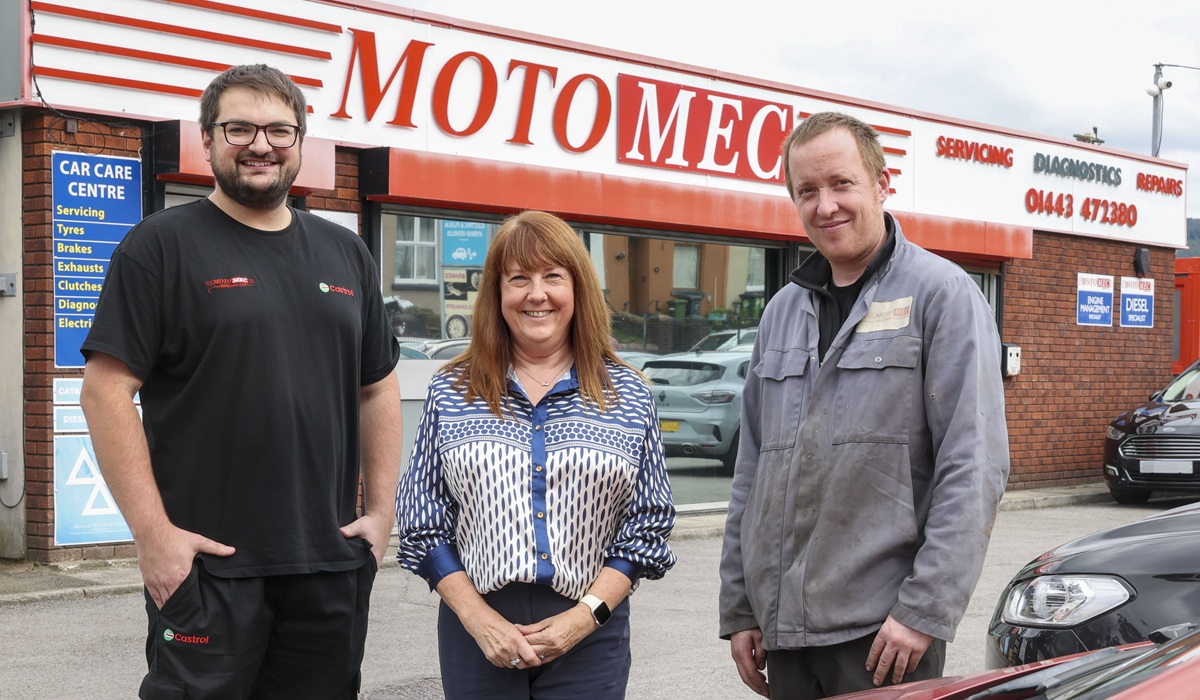
Targeted support can make a tangible difference. Llanidloes-based JJP Services, for example, is reducing its environmental impact and strengthening day-to-day operations after securing a £180,000 green loan from us to invest in more efficient, lower-emission vehicles and equipment.
Delivered through our Green Business Loan Scheme, this type of funding helps Welsh businesses invest in projects that reduce carbon emissions and improve environmental performance, supporting more sustainable ways of operating alongside commercial growth.
Diversification and long-term resilience
Across Wales, many rural businesses are also using investment to diversify, strengthen their income and build resilience for the future.
For many, that means exploring additional revenue streams that reduce reliance on a single source of income. This might include tourism, food production or other complementary activities that make better use of existing assets.
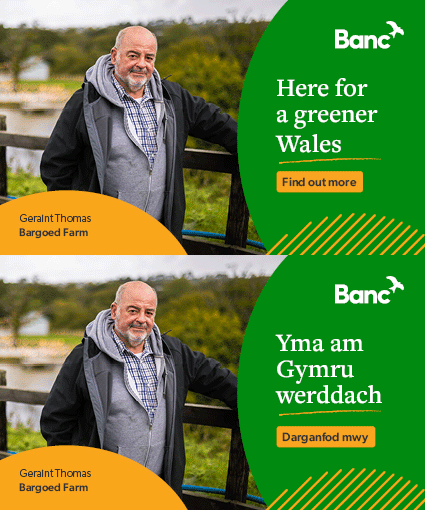
Bargoed Farm in Ceredigion shows how that can work in practice. Now a thriving tourist destination with a variety of accommodation, including an award-winning campsite, the business has used several rounds of funding from the Development Bank of Wales over the last decade to invest in site infrastructure and develop a children’s play barn and events venue.
We have also supported farmer and beekeeper Gruffydd Williams-Rees, helping him expand his multiple award-winning beekeeping and honey farm business, Gwenyn Gruffydd. With hives across Carmarthenshire, Pembrokeshire and Cardigan, the business has expanded production with a new purpose-built operations facility, providing additional storage and workspace.
These businesses show the strength and potential of rural Wales. They are adapting, investing and creating opportunities that support not only their own growth, but the communities and supply chains around them.
At the heart of rural communities
Rural and agricultural businesses are at the heart of their communities. They support local jobs, sustain supply chains and help keep money circulating in the local economy, so the impact of investment reaches far beyond the individual business.
That is why the right finance matters. Whether a business is investing in lower-carbon equipment, diversifying income, improving efficiency or planning for succession, flexible funding can turn a good idea into practical action and long-term resilience.
If you are thinking about what comes next for your rural or agricultural business, talk to us early. Our team can help you understand your options and find finance that works around your plans, your cashflow and your ambitions.