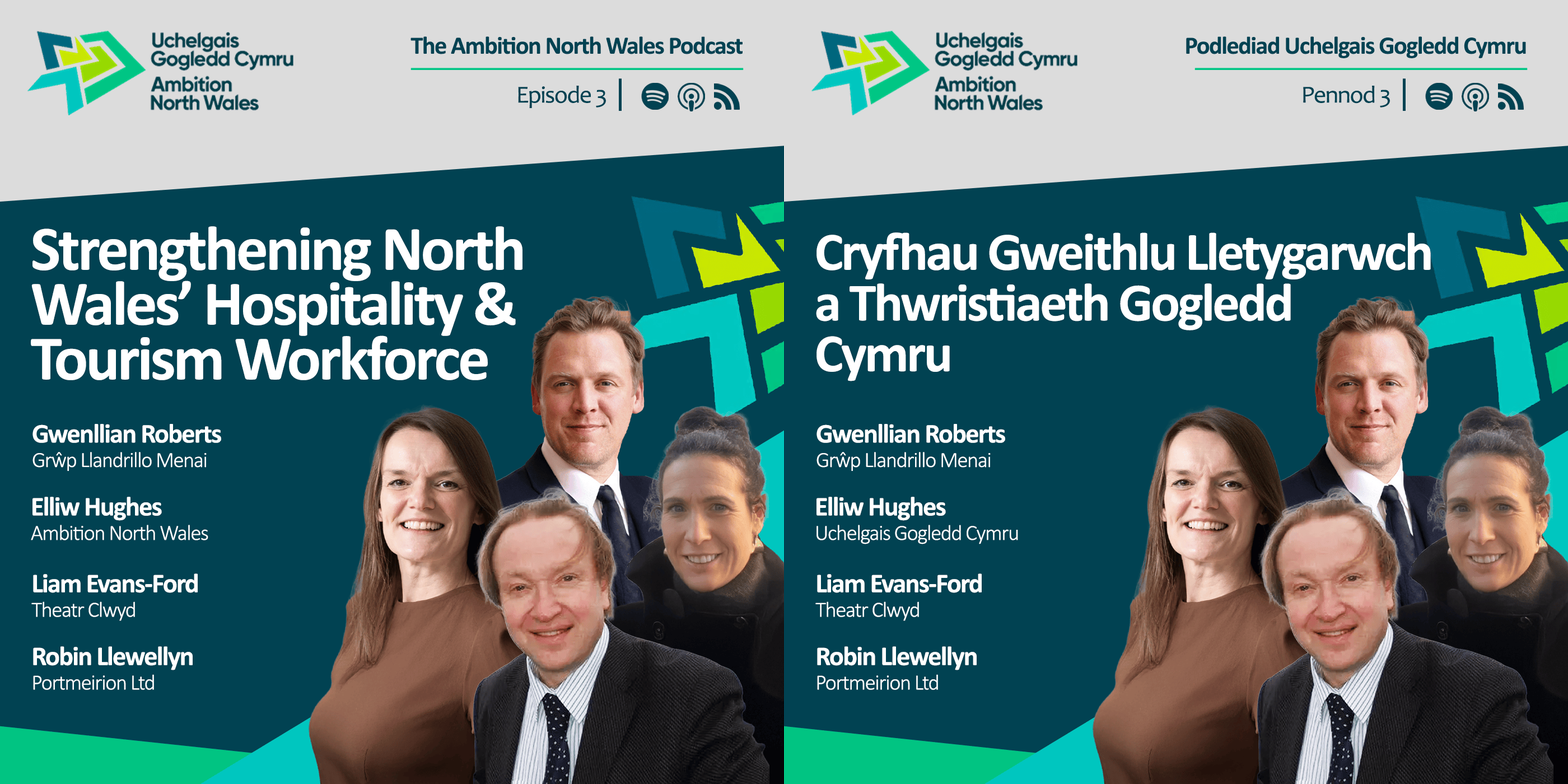


The podcast episode this column refers to was recorded prior to Sian taking up a secondment with Welsh Government.
No single employer, college, university or public body can build the workforce North Wales will need on its own. The region’s skills response depends on connecting those organisations early enough, clearly enough and consistently enough to turn economic ambition into practical provision.
That is the role of the North Wales Regional Skills Partnership. We bring employers together with colleges, universities, apprenticeship providers and other partners so that skills are not discussed separately from the economic decisions being taken across the region.
Our job is to provide the bridge between what businesses say they need and what the skills system is able to deliver. That includes responding to immediate recruitment pressures, but it also means looking ahead to the jobs, technologies and capabilities that will be required in five or ten years.
North Wales has major investment taking place across energy, advanced manufacturing, infrastructure and other parts of the economy. Those developments will create opportunities, but they will also place new demands on employers and skills providers. Planning cannot begin only when recruitment starts. We need to understand what jobs may be created, when they will be needed and which skills will be required to fill them.
The partnership acts as a connector because none of the organisations involved can answer those questions alone. Employers understand their businesses and emerging workforce needs. Colleges, universities and apprenticeship providers understand provision and delivery. Bringing those perspectives together helps the region build a stronger curriculum and a clearer response to demand.
The skills employers require are not confined to individual sectors. Across the nine key and growth sectors we work with, businesses repeatedly identify the need for people who can communicate effectively, work as part of a team, think critically and arrive ready to contribute in the workplace.
Those capabilities sit alongside technical requirements, but they are not secondary to them. Employers often tell us that someone with strong work-ready and transferable skills can be trained for a particular role. That becomes increasingly important as jobs change and as people move between sectors during their careers.
Digital skills are another consistent requirement across the economy. Employers need advanced digital capabilities, but there is also continuing demand for basic digital confidence. This is not restricted to technology businesses. Tourism and hospitality, health and social care, energy and environmental industries are all being reshaped by digital tools and changing working practices.
Our digital skills cluster brings together representatives from across the region’s key sectors to identify both basic and advanced needs. That work gives employers the opportunity to explain how their industries are changing and allows us to share a clearer picture with colleges, universities and Welsh Government.
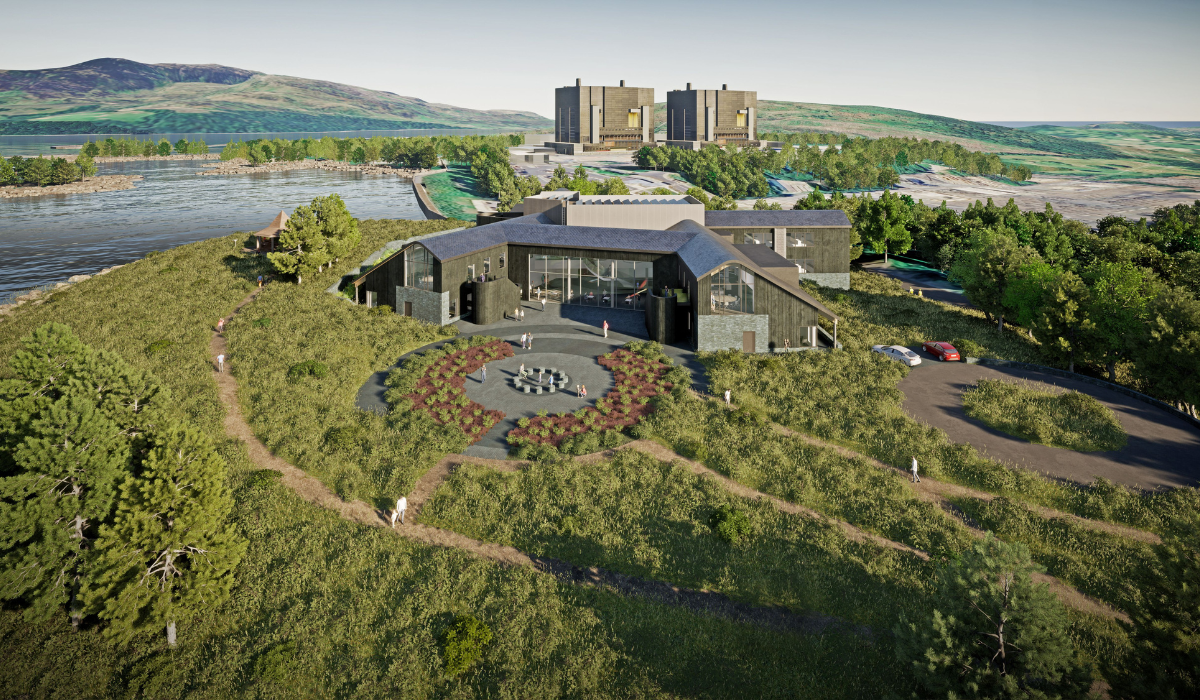
The same collaborative approach underpins our horizon scanning. Over the past year, we have been speaking to major developers, including Great British Energy-Nuclear, Rolls-Royce SMR and RWE, while also engaging with the smaller businesses that may form part of their supply chains.
We are mapping the jobs expected from major investments, the timescales over which they may be created and the skills associated with them. This gives us a region-wide view rather than treating each development as a separate project.
That wider picture is essential because several major investments may require similar workers at similar times. Construction is one area where this could create particular pressure as large infrastructure projects progress. We are also finding that many skills are transferable. A capability required by one Growth Deal project may also be needed in nuclear, renewable energy or another part of the economy.
Understanding those overlaps helps providers plan more effectively and gives employers a clearer sense of where competition for labour may arise. We regularly test that work with businesses and our sector cluster groups, asking employers how they expect to participate in new investment and what support their workforces will require.
The next part of the task is ensuring that people can see the routes into those opportunities. Although the RSP’s formal remit is focused on post-16 provision, conversations frequently return to the need to engage young people much earlier.
Many of the jobs that today’s school pupils will eventually enter may not yet exist. At the same time, the number of possible routes can be difficult to navigate. Young people need to understand the sectors growing in North Wales, the range of roles within them and the broad skills that will help them adapt.
The North Wales Skills Portal has been developed as a one-stop source of information for individuals and employers. It brings together details of further and higher education, upskilling and retraining opportunities, career pathways and labour market information. It is intended to make provision easier to find and the routes into different sectors easier to understand.
We also work closely with Careers Wales and other partners to share that information with schools, colleges, universities and adults considering a change in direction.
Collaboration is not always straightforward. Organisations have different priorities and pressures, and agreement cannot be assumed. The RSP has worked hard to become a trusted and honest broker between developers, employers and education providers.
That trust allows us to bring partners around the same table, challenge where necessary and keep the focus on what the region will need over the longer term. Skills pipelines for digital, renewable energy and green industries cannot be built through short-term interventions alone.
We need to be prepared to plan over five or ten years, scale approaches that are working in one part of North Wales and make them available more widely. The stronger the connections between employers, providers and learners, the better equipped the region will be to respond as its economy changes.
Sian discusses this and more on episode 8 of the People and Skills podcast. Listen here: