



The next Welsh Government is being urged to utilise the built and natural environment to drive “a new era of economic growth and business confidence” in Wales.
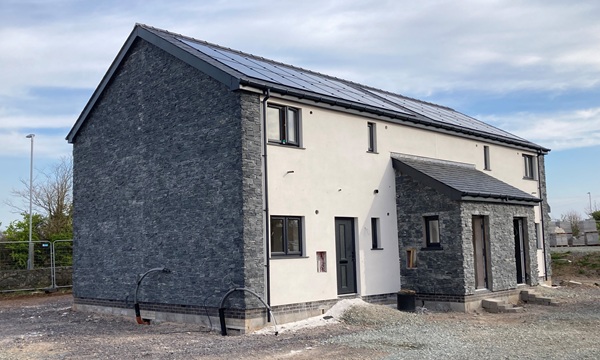
With ageing housing stock, housing supply shortages, expanding building safety obligations, planning delays affecting infrastructure and renewable energy projects, skills shortages, and growing pressures on businesses and high streets, the next Welsh Government will have major obstacles to address, says RICS.
Its 2026 Wales manifesto – Maniffesto RICS Cymru 2026 – highlights the importance of the natural and built environment in Wales, which it says contributes more than £17.2 billion in economic activity and supports thousands of jobs, supply chains and regional economies, and highlights key areas where the next Welsh Government can make a positive impact in leveraging its potential.
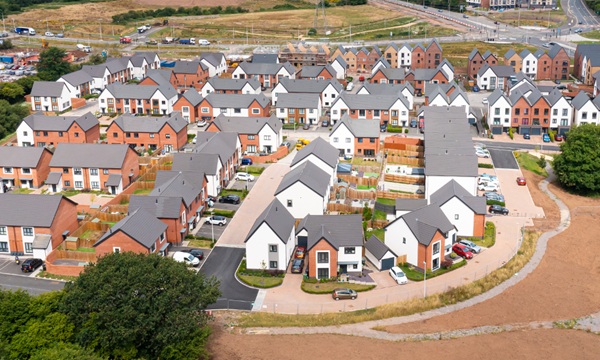
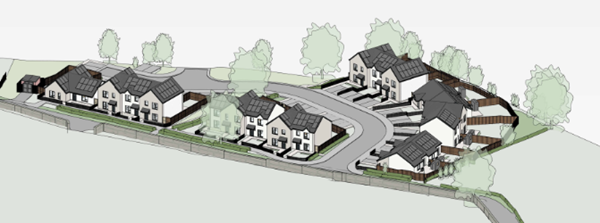
In particular, RICS is calling on the next Welsh Government to develop a housing delivery strategy through cross-tenure targets and development ambitions and to ensure a truly functional planning system by embedding specialist skills in areas such as developer contributions and biodiversity net gain. It also says that the next Welsh Government must protect residential leaseholders with modern, UK-aligned standards to replace the outdated, historic version currently in use in Wales.
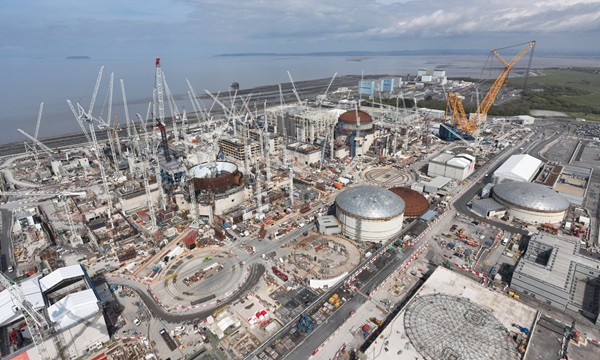
When it comes to Welsh green targets, investment in large-scale, high-standard housing retrofit programmes and fast-track grid and energy infrastructure upgrades should also be a priority, according to RICS. It points out that grid capacity constraints are becoming a major barrier, not only to housing delivery but also to any ambition for Wales to become a global leader in green energy, restricting investment in renewables.
Wales has already taken bold steps when it comes to dedicating resource to upskilling and expanding its workforce, it says, but challenges still remain. RICS calls for increased investment and resource in built and natural environment education, including an expansion of apprenticeships and upskilling to support the energy transition, to develop the next generation of professionals who will deliver safer buildings, greener homes and more modern infrastructure.

Matt Haynes MRICS, Chair of RICS Wales, says the manifesto sets out how RICS and the next Welsh Government can work together to provide the stability, capability and confidence needed to build a more prosperous, sustainable Wales.
He said:
“This manifesto sets out practical, evidence-led priorities for Wales’ built and natural environment at a time when confidence and capacity are under real pressure. It focuses on what will make the greatest difference in the years ahead, improving housing delivery, supporting skills and apprenticeships, modernising standards and enabling sustainable investment. RICS Wales looks forward to working constructively with stakeholders across the sector to help turn these ambitions into tangible outcomes for communities across Wales.”
Sam Rees, Senior Public Affairs Manager at RICS, said:
“Recent RICS data shows that confidence across Wales’ built environment has become increasingly fragile. Construction activity has lost momentum; commercial, occupier and investor demand has softened; and skills shortages continue to constrain growth. In the residential sector – despite investment in social housing providing a welcome boost to the construction sector – affordability remains a significant barrier for renters and buyers. The next Welsh government can however make an extremely positive impact by investing in housing, infrastructure and skills and by leveraging the potential of the built environment can stimulate a new era of economic growth.”