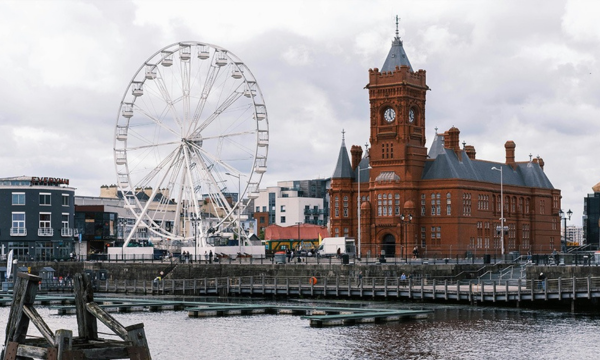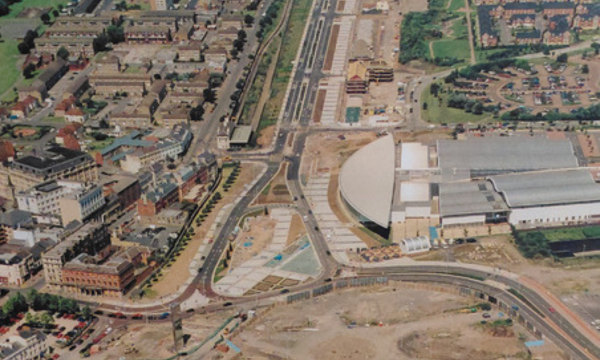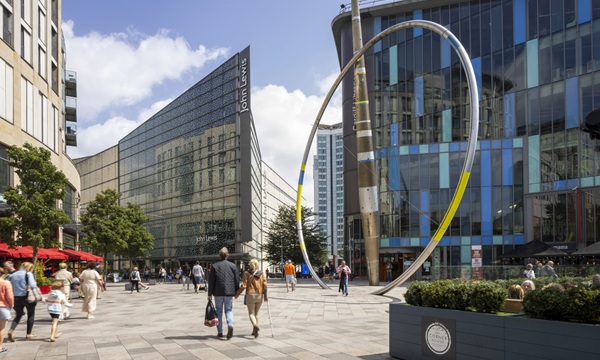








The first phase of the Cardiff Crossrail – a tram‑train route from Cardiff Central railway station to Cardiff Bay via Callaghan Square – is set to move into the construction phase, with GRAHAM identified as the principal contractor.
When complete Cardiff Crossrail will deliver a modern tram system connecting Plasdwr in the north west of the city with the proposed new Parkway railway station in the east.
Subject to Cabinet approval at its meeting on March 19th, delegated authority will be given to proceed with GRAHAM as the principal contractor, subject to agreement on the final cost to deliver the first phase of the scheme.
Backed by £100 million in joint funding from the Welsh Government and the UK Government’s Levelling Up Fund, the first phase of the project will begin with a new tram link between Cardiff Central and Cardiff Bay. When completed, this tram link will help transport visitors to and from Cardiff’s 16,500-seat indoor arena which is currently under construction, as well as carry workers, residents and visitors between the Bay and the city centre.
Phase 1a of the scheme will deliver:
- A new tram-train connection between Cardiff Central Station and Cardiff Bay
- New tram platforms at Cardiff Central Station and an additional platform at Cardiff Bay Station
- A new twin-track tramway through Callaghan Square
- A simpler road layout, making the area safer and easier to use
- New pedestrian spaces, landscaping and sustainable drainage
- Fully segregated cycle routes and improved pedestrian crossings
Cllr Dan De’Ath, Cabinet Member for Strategic Planning, Transport and Climate Change, said:
“Cardiff Crossrail is a bold and ambitious plan to deliver a new tram system for the city – one that will eventually stretch from the north west to the east, connecting with the proposed Parkway Station. With further investment, we aim to create a reliable, affordable cross-city tram service that links some of Cardiff’s most underserved communities to the rail network for the first time.
“This is a long-term investment in Cardiff’s public transport infrastructure and will play a key role in supporting major developments across the city, including the redevelopment of Cardiff Central Railway Station, the regeneration of Callaghan Square, and the new Arena and Atlantic Wharf development in Cardiff Bay.
“The vision for Cardiff Crossrail is clearly set out in the city’s 10-year transport vision. This is about building a greener, more sustainable and affordable transport system.”
Ken Skates, Cabinet Secretary for Transport and North Wales, said:
“This ambitious project will improve travel around the city making life easier for residents and visitors and we’re pleased to see Cardiff Council moving one step closer to the finished Crossrail.”
Dan Tipper, Transport for Wales’ Chief Infrastructure Officer, said:
“We’re continuing to work in partnership with Cardiff Council on the delivery of the first phase of Cardiff Crossrail, connecting Cardiff Central station and Cardiff Bay station directly by rail for the first time.
“Our ambition is that the delivery of the scheme will contribute towards a more sustainable transport network for Cardiff, which will encourage more people to leave their cars at home and instead choose more sustainable ways to travel. It’ll also significantly improve the railway network between the city centre and Cardiff Bay, benefiting the wider city and region.”
The construction phase to build the tramline through Callaghan Square will be complex and will require traffic management while the work takes place. The council, Transport for Wales and the contractor have developed a phased construction plan designed to minimise disruption as much as possible, and work will be carefully coordinated with other major projects taking place in Cardiff at the same time.
If Cabinet approves the recommendation, the final contracts will be completed in the spring, with construction expected to start in summer 2026 and the works completed in summer 2028. The project team will continue to engage with the public and stakeholders throughout the construction period.