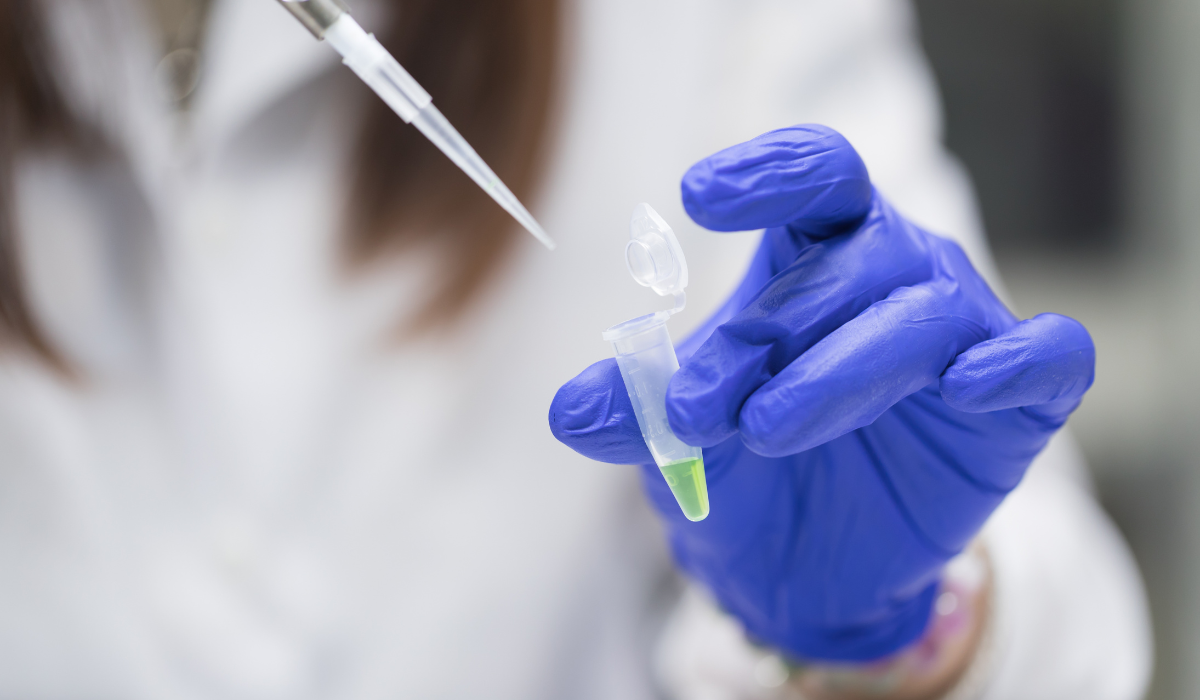
Environmental permits for Wales’ largest food, drink and milk processing sites have been reviewed by Natural Resources Wales (NRW) and updated to ensure they meet the highest environmental standards.
The exercise involves reviewing permits against the latest industry best practice, called Best Available Techniques (BAT).
It is a requirement of the Industrial Emissions Directive (IED) and ensures that industry continue to use the best techniques for preventing or minimising emissions and impacts on the environment.
Holly Noble, Permitting Team Leader from NRW said:
“Our environmental permits set conditions for how a facility must operate and limits emissions to the environment – but that’s not where the process ends.
“Not only will each site be closely regulated by our officers, but they also have to stay on top of the latest technological developments and strive towards improving their environmental performance.
“In some cases, this requires companies making significant investment in their infrastructure, which we appreciate may not be easy during such uncertain times, but it’s an important exercise for us to complete, allowing us to drive improvements in the industry and bring all food, drink and milk processing sites to up a consistent level across Wales.”
Techniques can include both the technology used and the way an installation is designed, built, maintained, operated and decommissioned.
These food and drink processing sites are large facilities that use a wide range of technologies to treat raw materials in the production of food and drink products. These can range from drying activities at dairies to grinding and pelleting at animal feed mills.
Where improvements have been identified, this will lead to reduced emissions and better environmental performance.
For example, grinding and milling sites now have a tighter limit for dust emissions to air and at sites that use refrigerants for cooling and freezing, a new condition has been included to reduce the use of refrigerant chemicals with the highest global warming potential.
And for those sites discharging treated process effluent to surface water, some have seen their discharge limits tightened for various parameters, including nitrogen and phosphorus. For example, at one site implementation of the new BAT will see the phosphorus limit reduced from 15 mg/l to 2 mg/l.
Overall, the new conditions will encourage the use of suitable alternatives and drive on-going future improvements.
Eighteen facilities have been assessed and permits re-issued with updated conditions that will improve the site’s environment management systems, providing a higher level of environmental performance with a commitment to continuous improvement.
The EU Best Available Techniques Reference Document was published on 3 December 2019 in the Official Journal of the European Union. Existing food, drink and milk installations have four years to comply, whereas new installations must comply with the new standards right away.