When we talk about entrepreneurship, it is important to think in terms of ecosystems. A founder’s journey does not happen in isolation. It depends on a network of support, investment, skills and opportunities that must work together if businesses are to start, survive and scale. Yet across the UK, and in Wales, too many of these ecosystems are failing to include all the talent that is out there.
Female founders and those from ethnic minority backgrounds still face persistent barriers to accessing the finance and support they need. The result is that large numbers of viable ideas never reach the point of becoming sustainable businesses. This is not only a social concern; it is an economic one. By narrowing the pool of people who can access finance, we are narrowing the opportunities for innovation, growth and the creation of solutions to the challenges our society faces.
The figures bear this out. In 2024, 59 per cent of angel investment went to male-led teams and just 18 per cent to female-led. Venture capital funding was even more unequal, with 79 per cent going to male-led teams and only three per cent to female-led. Debt finance followed the same pattern, with 61 per cent flowing to male-led businesses and 14 per cent to female-led. Among fast-growth firms, only 10 per cent of female-led companies had the funding they needed compared with 73 per cent of male-led ones. These numbers show how uneven the playing field remains.
This imbalance is not just unfair, it is counterproductive. Research shows that women-owned businesses generate higher revenues than male-owned businesses and achieve twice the average return on investment. In other words, we are underfunding companies that could be driving stronger growth. Inclusive finance is not just about equity; it is about economic performance.
One of the reasons I helped to co-found Women Angels of Wales in 2022 was to address one part of this imbalance – the lack of female angel investors as female investors are twice as likely to invest in female-led and mixed businesses. Angels provide not only capital, but also networks, skills and patient support that can follow a founder through multiple rounds of growth. But the point is wider than angel investing alone. To truly change outcomes, we need ecosystems that are diverse and connected at every level, from policy through to grassroots support.
That means creating environments where founders see role models they can identify with, where networks are open to all, and where investors come from a wider range of backgrounds. It means recognising that entrepreneurship is often driven by people solving problems they have experienced themselves, and that by widening participation we get better products, services and businesses that meet real needs.
We need national recognition that inclusive entrepreneurship matters, embedded into policy. But we also need bottom-up regional action: hubs where underrepresented founders can meet investors, mentors and peers; initiatives that build confidence; and partnerships that connect early-stage support with the growth finance that allows businesses to scale. None of these pieces alone will solve the problem. It is the connections between them – the ecosystem as a whole – that make the difference.
If we want a fairer and stronger economy, this is the challenge. We must ensure that finance, networks and support flow not only to the founders who already attract them, but to the many others whose ideas are just as strong and whose potential is just as great. Creating inclusive ecosystems is not just good policy; it is sound economics.
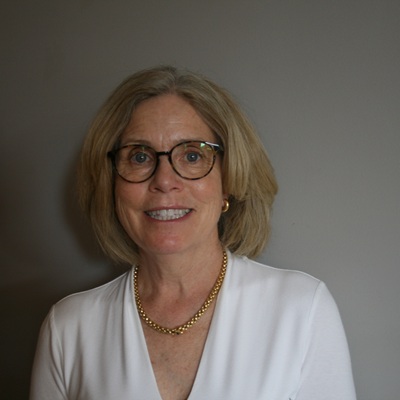
Jill talks about this and more in the Finance & Investment Wales podcast episode The Finance Gap: Who's Being Left Behind? Listen to the podcast here.