When the Mid Wales Regional Skills Partnership was established in 2022, we joined a network of four Partnerships across Wales tasked with helping regions understand and respond to their changing skills needs. We are the newest of those Partnerships, but the principle is the same: to bring employers, providers and local partners together so that skills provision reflects the reality of what is happening on the ground.
For Ceredigion and Powys, that means recognising a region full of ambition, potential and a diverse mix of sectors, from engineering and energy to creative and digital industries.
Our role is to understand what employers need both now and in the years ahead. We draw on labour market data, business insight and sector-specific intelligence, and we use this to shape a long-term plan for skills in Mid Wales. We also run a series of industry-led clusters, which give us a clear view of the challenges and opportunities in areas such as construction, advanced manufacturing and net zero. These clusters are essential. They ensure that our insight is led by the people closest to the issues, rather than dictated top-down. When an industry tells us about barriers or gaps, we are able to take that evidence directly to Welsh Government or local authorities and advocate for change.
This work feeds into our Employment and Skills Plan, which recognises several priorities for the region. High-quality careers information is vital, not just for young people but for those looking to retrain or shift into growing sectors. Work experience remains important, particularly in a large rural region where employers may not always be visible or easy to reach. Leadership and management is another focus, reflecting the needs of businesses seeking to grow. We are working to address gender imbalance in areas such as engineering, and we have a strong emphasis on net zero, where employers need training that keeps pace with evolving technologies. Access to apprenticeships – including degree apprenticeships – is a recurring theme across our conversations with businesses.
The clusters help us understand these issues in detail. They capture what employers are experiencing day-to-day, from skills shortages to provision that doesn’t quite align with business needs. Because our Partnership is industry-led, this insight is at the centre of everything we do. It means we are not simply reviewing data, but responding to what employers tell us is needed to support growth in Mid Wales.
This is also why we saw real value in becoming a pioneer partner for the new Careers in 360 platform. The world of work experience has changed, and geography can make it difficult for people to access a broad range of opportunities. Many of our businesses are excellent but hidden; they are not always visible to someone trying to understand what the region has to offer. A digital tool that allows people to step inside workplaces and experience roles first-hand has clear benefits for a region like ours.
What impressed us about the platform was its potential to open up choices. It gives people the chance to explore roles they may never have considered, and to build a better understanding of the skills and environments involved. It also helps break down some of the stereotypes that persist in sectors such as engineering, where assumptions about heavy or dirty work can put people off. In reality, businesses like my own operate with clean rooms and require a wide mix of skills beyond traditional engineering roles. Making that visible is important if we want people to see the breadth of opportunity on their doorstep.
The platform also supports those who may not have access to networks that can explain what different careers involve. A young person curious about law, for example, may not know anyone working in that profession locally. Technology can give them an early sense of what such a pathway might look like, helping them make more informed decisions about education or training.
Looking ahead, my aim is to build on the foundations we’ve set. I want to see a thriving regional skills ecosystem – one that supports innovation, net zero priorities and sustainable economic growth. Most importantly, I want young people to feel that they have a future in Mid Wales, with clear pathways into good quality employment. If we can achieve that, we strengthen not just our workforce but the long-term resilience of the regional economy.
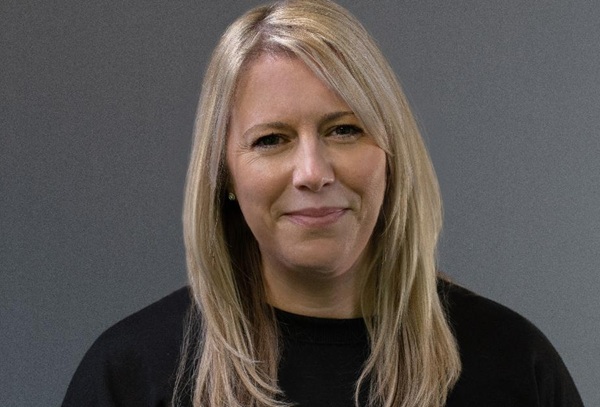
Emma Thomas talks about this and more in the Unlocking Mid Wales podcast episode Connecting Learners and Employers in Mid Wales. Listen to the podcast here.