


GUEST COLUMN:
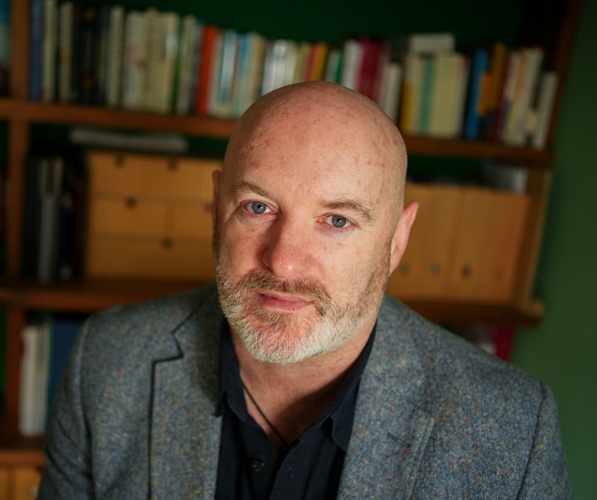
Eoin Bailey
UK Innovation Manager & Circular Economy Lead
7 Steel UK

If we want to build a circular economy in Wales, procurement is where the loop can truly be closed.
We already know that circularity works. At 7 Steel UK, we take scrap metal from across the country, melt it down in our electric arc furnace (EAF) in Cardiff, and roll it into new steel for construction and infrastructure projects. It’s a process that turns waste back into value. But for that value to stay in the local economy, the way we design, buy and build things has to evolve too.
Right now, too much of what we produce in the UK leaves our shores. Between 10 and 12 million tonnes of scrap metal is generated here every year, and more than 80% of it is exported, often to countries with lower environmental and labour standards. That same material is then recycled abroad and sold back to us as finished products.
It makes no sense economically or environmentally. We are losing resources, jobs and skills that could stay here.
The transition to circular steelmaking offers a way to change that. With the addition of another electric arc furnace at Tata in Port Talbot, Wales will soon have two low-carbon steelmakers with the capacity to process a far greater share of the UK’s scrap. That means more opportunity to use what we already have – to retain the value of materials, skills and manufacturing capability that exist within our own borders.
But to make it work, the market has to reward circular practice. That’s where procurement comes in.
Every school, hospital or housing project built in Wales represents a chance to make the circular economy real. If developers and public bodies specify low-carbon, recycled and UK Produced materials in their contracts, it sends a powerful signal through the supply chain. It shows that there is value in keeping materials in use and that Wales is prepared to back its own industrial capability.
We already have the policy framework to support this. The Wellbeing of Future Generations Act gives Wales the legislative foundation to align public spending with long-term social, economic and environmental goals. Circular procurement is how those principles become practical – how we connect what the public sector aspires to achieve with what industry can deliver.
There is a real opportunity here for collaboration. Foundation industries like steel, cement, glass and ceramics all play a part in the materials economy. If these sectors work together – supported by procurement frameworks that recognise recycled content and traceable supply chains – we can start to build circularity into the very fabric of Wales’ economy.
Designers and developers have a crucial role to play too. The buildings and infrastructure we design today will shape the resources available tomorrow. If circular principles are embedded at the design stage – planning for disassembly, recovery and reuse – then procurement can complete the cycle by sourcing from within a system that already anticipates regeneration.
This isn’t about adding complexity. It’s about using what already exists more intelligently. The scrap metal we process, the skills in our workforce, the technology in our plants – these are all assets that can underpin a thriving circular economy if the market signals are right.
With government, industry and designers working together, circular procurement could become one of Wales’ most powerful tools for economic regeneration.
We have the capability. We have the policy. Now we need the systems that connect them and procurement is where that connection can begin.
Eoin Bailey talks about this and more in the Green Economy Wales podcast episode Unlocking Wales’ Circular Economy Potential. Listen to the podcast here.