Coleg Cambria is launching a new degree designed to support the next generation of education and child development professionals.
The new BA (Hons) Childhood and Adolescent Studies programme, starting this September at the college's Northop campus, will equip students with the knowledge and practical understanding needed to support young people from early childhood through to adolescence.
Accredited by Wrexham University, the three-year qualification reflects growing demand for skilled practitioners who understand the diverse experiences of children and teenagers, including mental health, wellbeing, additional learning needs and the transition into adulthood.
Available full-time, one day a week on campus, the programme has been designed to be accessible for both school leavers progressing from Level 3 qualifications and mature students already working in education settings, such as teaching assistants, support staff and practitioners looking to gain a degree and progress their careers.
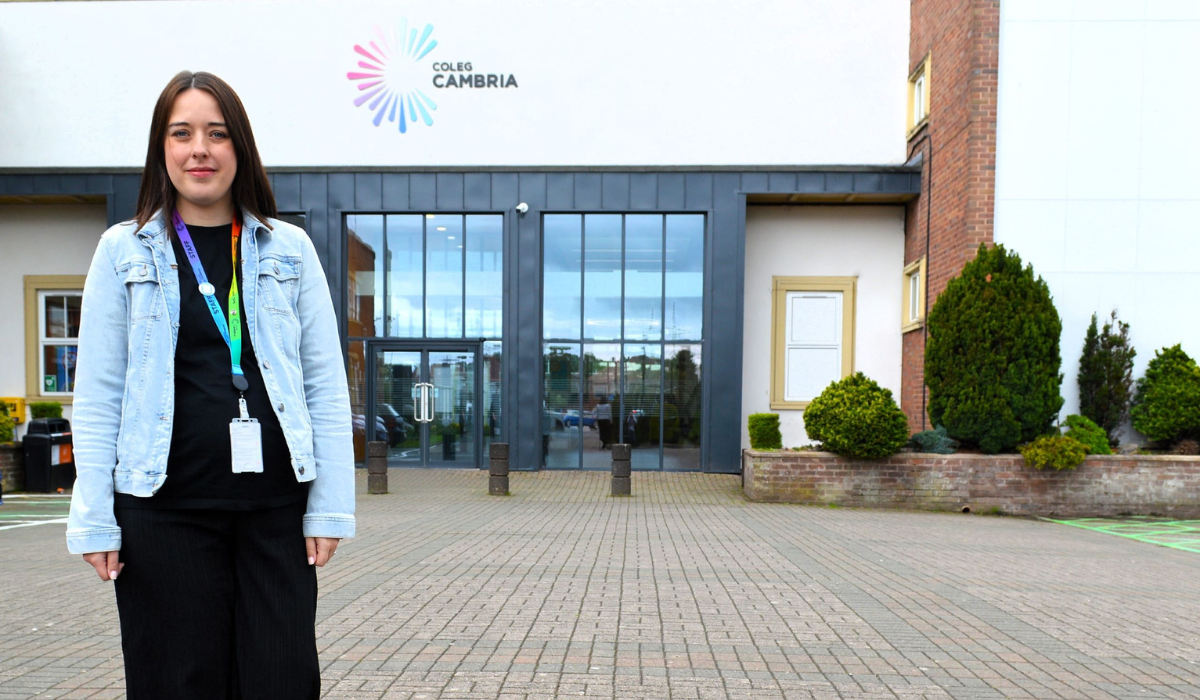
Hannah Roberts, Programme Leader for BA (Hons) Childhood and Adolescent Studies and a former primary school teacher with more than 10 years of experience in education, said the qualification reflects the changing realities facing children, young people and professionals working with them.
“Childhood and adolescence is such a broad and evolving area, and this programme has been created to reflect that,” she said.
“There is still a strong focus on early childhood, but we are also looking much more closely at adolescence, including mental health, wellbeing, additional learning needs and the increasing pressures young people face today.
“We know there is growing demand for professionals who truly understand issues such as ADHD, autism, anxiety and emotional wellbeing, and who can make a real difference to children and young people across education and beyond.”
Existing learners on the college's BA Childhood Studies course will transfer onto the new programme in their second year, while new starters will benefit from an expanded curriculum that explores childhood through to adolescence, with a stronger focus on young people up to the age of 18.
Modules have been designed to reflect the diversity and breadth of the sector, offering students opportunities to explore subjects relevant to careers in teaching, speech and language support, play therapy, family support services, social services and lifelong learning.
“This qualification creates real opportunities,” Hannah added.
“Many of our learners want to become teachers, while others are already working in schools and want to progress into senior roles, curriculum management or go on to postgraduate study. It also supports careers in areas such as family support, speech and language, social care and play therapy – giving students a broad scope and genuine options for their future.”
The programme provides a strong academic and professional foundation for future success, whether students are progressing into teaching, leadership roles in education, or further postgraduate study.
Hannah said one of the programme's biggest strengths is the supportive learning environment students experience at Northop.
“We offer that personal touch, our lecturers know our students, and there is a warm, welcoming community here,” she added.
“The one-day-a-week campus model also gives students flexibility around work and family commitments, while still providing interactive learning, research opportunities and strong academic support.”