GUEST COLUMN:
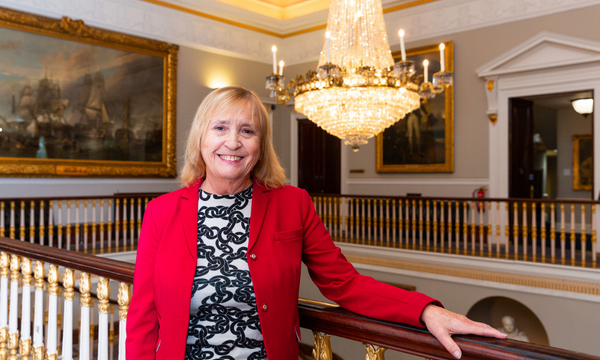
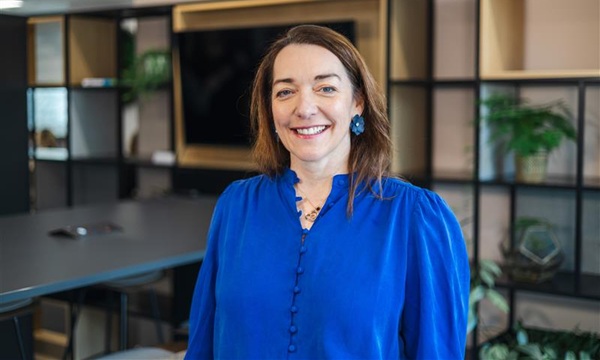
Michelle Leavesley
Chief Sustainability Officer
Admiral Group Plc

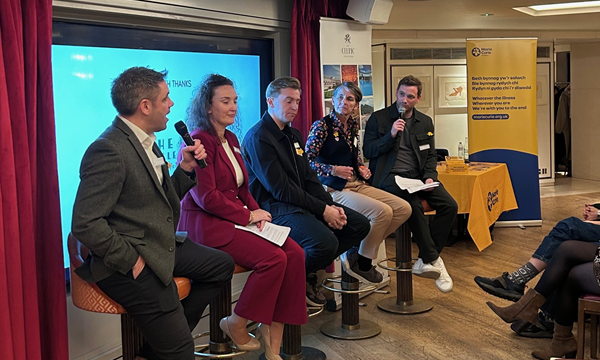
We’ve just delivered Admiral’s Circular Economy for Good event as part of Wales Week London 2026, where we brought together key suppliers from across our motor repair network.
The panel focused on how we can accelerate circularity across the industry, from repair‑first decisions to scaling green parts and the skills that support them. The conversation left me feeling genuinely energised about the future of circularity for Wales and beyond.
We’re no longer talking about circular economy as a niche sustainability concept, it’s becoming a mainstream driver of how businesses design, operate, and make decisions every day. And as someone responsible for setting our sustainability direction at Admiral, that momentum matters.
Across Wales, the circular economy is evolving fast. It’s helping to redefine how materials, products, and services can work smarter, last longer, and deliver better outcomes. That leadership pushes organisations like ours to be more ambitious, to reduce waste, extend product life, and design smarter processes that genuinely make a difference to our people, customers and planet.
But ambition alone isn’t enough. The challenge now is acceleration.
Moving From Intention to Impact
A core part of our discussion at Wales Week London was the need to shift from intention into tangible action. Almost every business can point to circularity ambitions on a slide deck. The real question is: how do we operationalise it across complex supply chains? For us, that means being clearer than ever about expectations, data, and governance.
The next step is scale and that requires deeper collaboration with partners who are prepared to innovate, adapt, and lead with us.
Circularity Is a Skills Challenge as Much as a Systems Challenge
One of the strongest themes that emerged was skills. Circularity does not happen by accident, it requires systems thinking, data fluency, engineering and repair innovation, commercial courage, and leadership willing to question “the way it’s always been done.”
As technology evolves, our people must evolve with it. That’s why we’re working with partners who help create pathways and provide the upskilling our industry needs. These partnerships are fundamental to building a future‑ready workforce across our sector.
And skills don’t only sit with technicians. They sit within insurers, too. Data expertise, behavioural insight, and stronger decision frameworks are all crucial, not just to set strategy but to continue building on the culture we’re already proud of.
The Barriers Are Real, but So Are the Opportunities
Of course, no one is pretending this is easy. Circularity allows us to differentiate. To innovate. To improve customer experience and outcomes. To reduce environmental impact meaningfully. And perhaps most importantly, to collaborate in ways that lift the entire sector.
It has been inspiring to see suppliers pushing ahead with traceability, quality standards, and new recycling techniques. We want to learn from and scale the very best of what they’re doing. Their insight is shaping how we define best practice, how we set expectations, and how we design the next generation of circular customer journeys.
A Systemwide Shift. Not a Collection of Isolated Wins
In 2025, our Sustainability Team deepened its relationship with our motor supply chain, and the collaboration has been exciting. Now, we’re exploring how to expand those learnings across our other geographies and product lines. The principle remains the same: early engagement, customer benefits up front, and strong, trusted partnerships.
Over the next 12 months, we’ll be working closely with our suppliers to translate our sustainability ambitions into clear, practical expectations that accelerate circular outcomes. It will shape our priorities and projects we champion next.
Defining. Not Just Adapting To the Future
As the only FTSE 100 company headquartered in Wales, we have a responsibility to lead – and circularity is increasingly central to how we set direction, influence our supply chains, and create long‑term value for our customers, our communities and the planet.
The organisations that embrace it now won’t simply adapt to the future; they’ll help define it.
At Admiral, we’re committed to being one of those organisations. The momentum is growing, the collaboration is real, and the opportunities are bigger than ever. And I’m motivated by the opportunity ahead.