GUEST COLUMN:
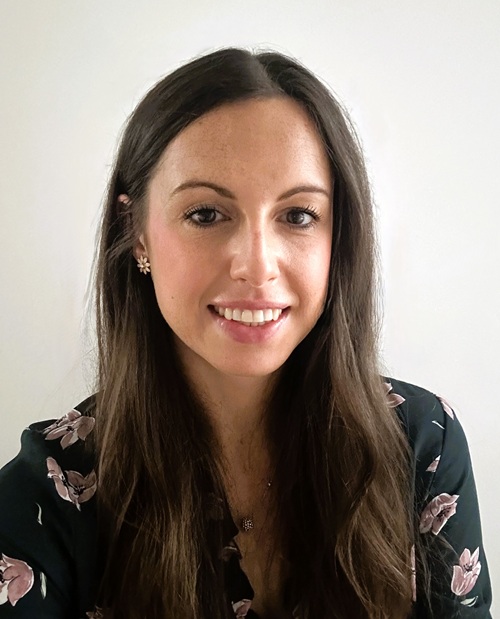
Jennifer Waterman
General Surgical Registrar
University Hospital of Wales
The COVID-19 pandemic caused disruption to endoscopy services, largely due to concerns about aerosol-generating procedures and the redeployment of staff and clinical resources. As a result, waiting lists continued to grow, and by 2022 more than 30,000 people in Wales were waiting for an endoscopy procedure.
Even with every effort made by NHS teams to restore activity, the system was struggling to reduce the backlog. For staff, that inevitably meant greater strain and an increasing risk of burnout. For patients, it meant potentially delayed diagnoses and delayed treatment, which in turn increased anxiety across the community. From a wider public health perspective, that is not a comfortable position for any of us to be in.
It became clear that this was a problem the NHS could not solve on its own. We needed different tools and new approaches if we were to change the trajectory. Luckily Cardiff Capital Region were seeking mission-based challenges that addressed urgent societal issues, and this provided a route for us to put forward a proposal focused on endoscopy pressures. We were fortunate to be awarded support that allowed us to explore the issue and work with industry to co-create solutions.
What followed has been one of the most collaborative experiences of my career. The challenge enabled us to work directly with IQ Endoscopes on the development of their single-use device, using the clinical settings in Cardiff and Vale Health Board to examine where it might fit within real patient pathways. This was not about replacing reusable scopes; they remain essential for complex endoscopy and for procedures requiring specialist equipment. Instead, the aim was to identify a way single-use endoscopy could work alongside our current pathways to help improve patient flow. If we could identify a subset of patients that could move safely into clinic-based appointments using single-use scopes, we could potentially free capacity in the endoscopy department while also streamlining the journeys for those who did not require the full capabilities of reusable equipment.
This approach mirrors work already well established in areas such as breast, gynaecology and urology, where one-stop clinics have changed the way services are delivered. There is no reason why similar thinking cannot be applied to aspects of endoscopy. The potential impact is significant: optimised use of endoscopy theatres, potentially shorter waits and a more efficient experience for patients. For the workforce, it could also create more training opportunities, particularly for resident doctors and nurse endoscopists. If procedures can take place in additional settings, there is more scope for developing skills in a way that supports the future workforce.
Although these ideas are still being developed within Cardiff and Vale, the possibilities are encouraging. We are now exploring how such clinics could be set up using the single-use scopes, with the intention of improving both patient care and staff experience. Importantly, this work has been shaped not only by clinicians but by colleagues across procurement, sustainability, operations and innovation. That breadth of involvement has been central to the progress we have made.
I have never personally been involved before in a project with such a wide and committed team. Bringing innovation specialists, procurement leads, operations teams, sustainability experts, industry partners, clinicians and funders together has created an environment where we are all working towards the same goal. Each of us looks at the issue from a slightly different angle, and those perspectives matter. When all of those viewpoints come together, the result is a more rounded understanding of what patients need and what the health system can realistically deliver. It has been a unique journey, and one that has reinforced how important collaboration is in tackling system-wide challenges.
As we continue to develop the next stage of this work in Cardiff and Vale Health Board, the sense of shared purpose remains strong. We all want the same thing: to improve outcomes for patients. The challenge has brought together stakeholders who would not always work this closely, and it has shown what can be achieved when we do. If this approach can be applied more widely, there is a real opportunity to rethink how we deliver services and how we support the people who rely on them.
Jennifer Waterman talks about this and more in the Cardiff Capital Region podcast episode Endoscopy Challenge: Idea, Innovation and Impact. Listen here.