

A new momentum is building around Wales’ defence, security and resilience sector, with businesses being urged to turn growing national investment and supply chain demand into a long-term economic opportunity for Wales.
That momentum was evident at the first Defence Security Resilience Cymru (DSRC) event, produced by Business in Focus, which brought together over 1,000 delegates alongside 60 exhibitors and a Meet the Buyer programme involving 12 major prime contractors.
Those primes came to Wales specifically to meet SMEs and begin conversations about future contracts, illustrating how quickly the defence opportunity is moving from a national policy discussion towards a commercial opportunity for Welsh businesses.
And the conversation is already set to continue.
Business in Focus has confirmed that DSRC will return to ICC Wales in May 2027, creating another focal point around which businesses, major contractors and the wider defence ecosystem can build over the coming months.

The significance of the first event was reflected in interviews carried out by Business News Wales with businesses operating across the sector.
While their capabilities and experiences differ, a consistent message emerged: Wales already possesses much of the expertise needed to participate in the defence economy, but businesses need to recognise where their capabilities fit and start preparing for the opportunity now.
Welsh companies are already demonstrating that defence does not begin and end with businesses traditionally identified as defence manufacturers.
Companies such as Pro Steel Engineering have identified defence as a strategic growth market and invested time in understanding its requirements. MM Engineering has demonstrated how existing expertise developed for areas such as flood and blast protection can transfer into defence markets, including securing work connected to a NATO-linked project in Lithuania.
Elsewhere, manufacturers such as Llanelli Precision Engineering illustrate the depth of engineering capability already present within Wales, while technology businesses are demonstrating how communications, digital systems and other capabilities developed for civilian markets can have important applications across defence and national resilience.
The opportunity therefore stretches across manufacturing, engineering, technology, cyber, infrastructure, professional services and increasingly dual-use innovation.
That wider definition of the defence economy is central to the thinking behind DSRC.
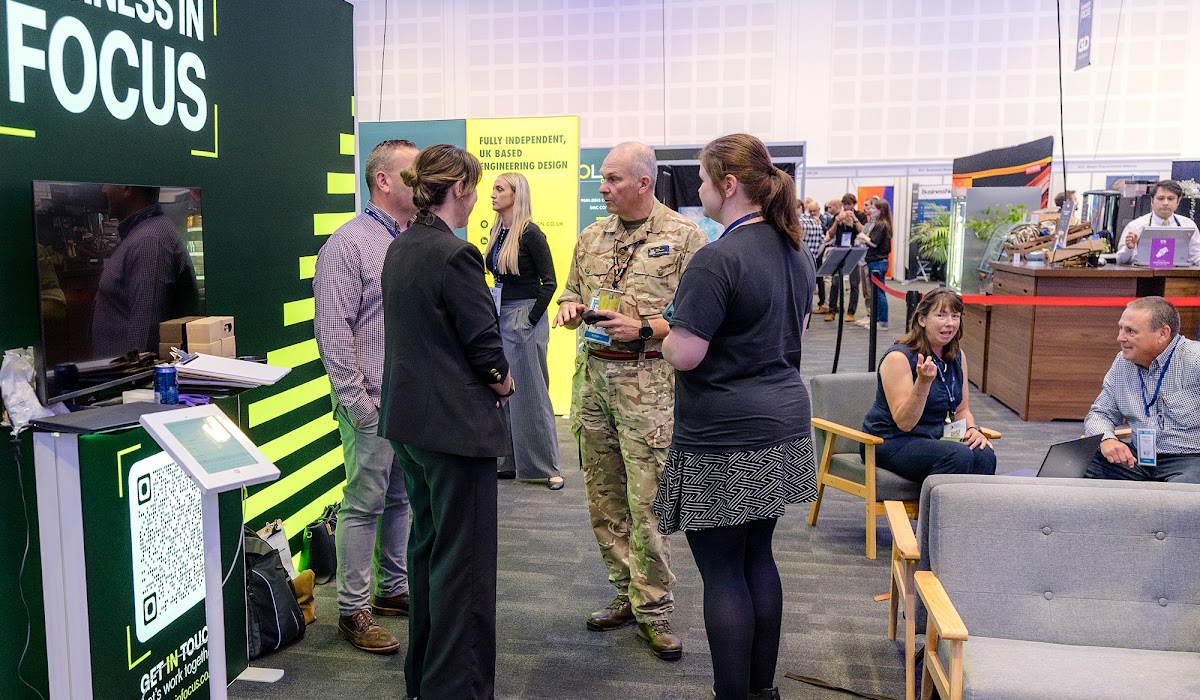
Phil Jones, Chief Executive of Business in Focus and founder of DSRC, said many SMEs still assume that defence is not relevant to them because they do not manufacture weapons, drones or military components.
But defence, security and resilience require a much broader ecosystem. Infrastructure businesses, technology providers and manufacturers sit alongside companies providing services such as catering, facilities and other capabilities required to support major organisations and strategic sites.
At the same time, Wales already has significant industrial assets on which to build.
The country combines the presence of major multinational defence businesses with strengths in advanced manufacturing, artificial intelligence, compound semiconductors and emerging technologies. Phil described Wales as having the potential to become an engine for the UK's future defence, security and resilience capability.
The challenge now is connecting those capabilities and ensuring more Welsh SMEs become visible within UK and international supply chains.

Phil Jones said:
“What we saw at DSRC was not simply interest in defence; we saw the beginnings of a much bigger economic opportunity for Wales. We brought major primes together with SMEs, innovators and organisations from across defence, security and resilience, and conversations about capability quickly became conversations about contracts, investment, collaboration and growth.
“The important thing now is that we don't lose that momentum. Welsh businesses need to understand where their capabilities fit, what they need to do to become supply-chain ready and who they need to build relationships with. We already have exceptional engineering, manufacturing and technology businesses here, and many of them may be closer to the defence market than they realise.
“That is why bringing everyone together again in May 2027 is so important. The next DSRC isn't the start of another conversation; it is a milestone in a conversation that is already happening. Our ambition between now and then has to be to turn more introductions into opportunities, more opportunities into contracts and more investment into jobs and economic value retained here in Wales.”
There is also an international dimension.
Business in Focus supported £39 million of exports for Welsh businesses last year, while DSRC itself attracted representation from countries including Canada and Japan. Phil believes that creates an opportunity for Welsh businesses to think beyond UK defence procurement and towards allied and international markets.
Another potentially important strength is the ability to develop technologies that serve more than one market.
Phil highlighted drone technology as an example. Similar underlying capabilities can support military operations, emergency services responding to wildfires and applications within offshore energy. That ability to commercialise technologies across defence and civilian markets could help create businesses that remain competitive regardless of how geopolitical priorities change.
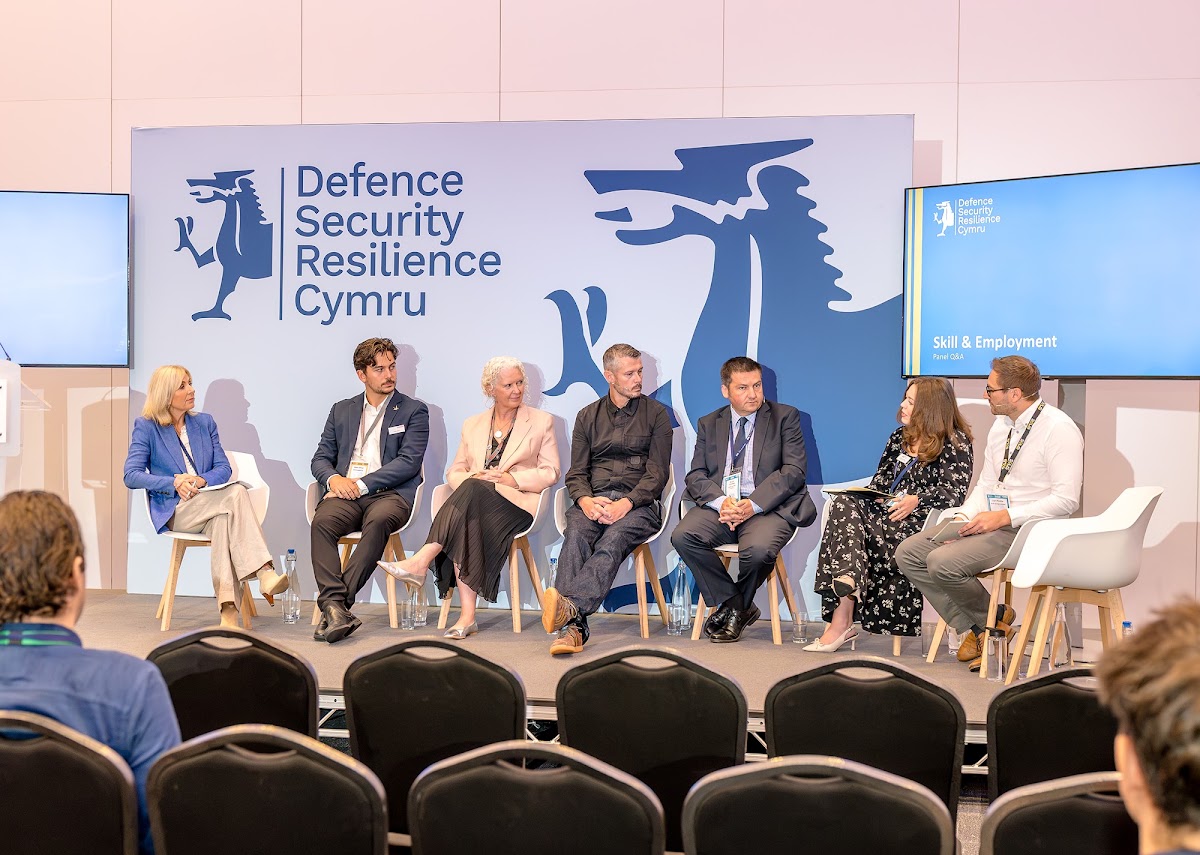
But perhaps the clearest message emerging from DSRC is one of urgency.
Businesses interviewed by Business News Wales repeatedly pointed towards the need for SMEs to prepare themselves before opportunities arrive rather than responding after procurement begins.
For Wales, that means the period between the first DSRC and the sector coming together again in May 2027 could prove particularly important.
The opportunity is not simply to win individual defence contracts. It is to build a deeper Welsh supply chain, strengthen sovereign capability, open new export markets and use investment in defence, security and resilience to support advanced manufacturing, innovation, skills and high-value employment.
The first DSRC demonstrated that there is an appetite to make that happen.
The measure of success when the sector returns to ICC Wales in May will be how much of that appetite has been converted into action.