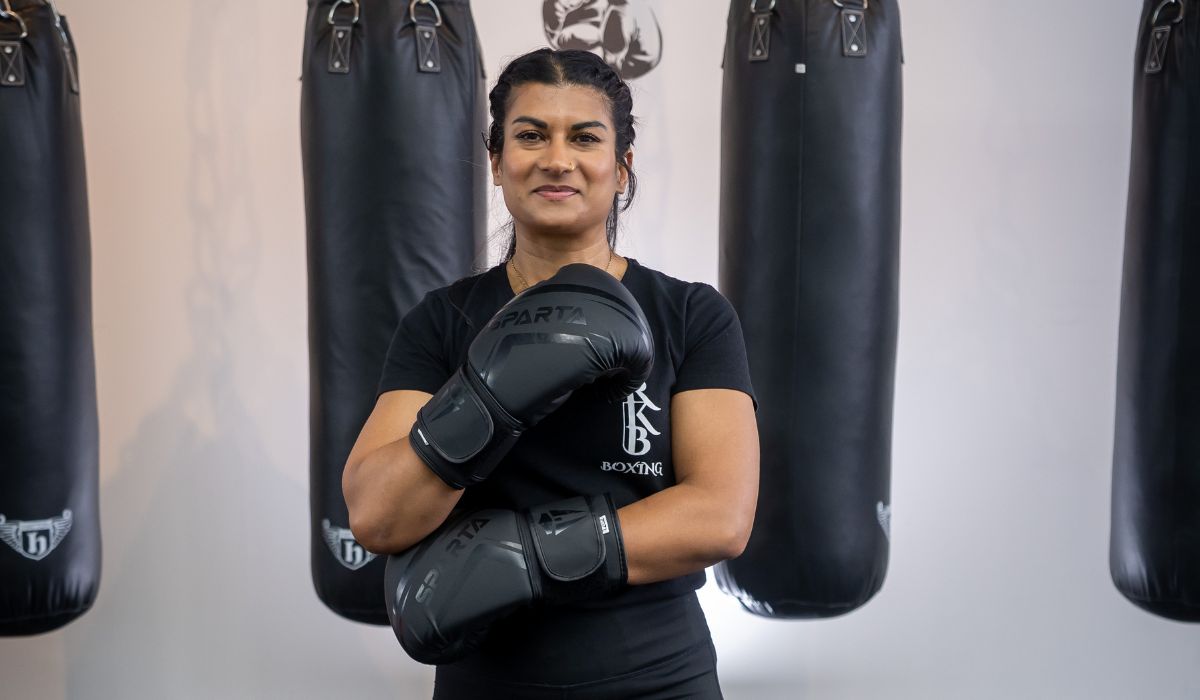


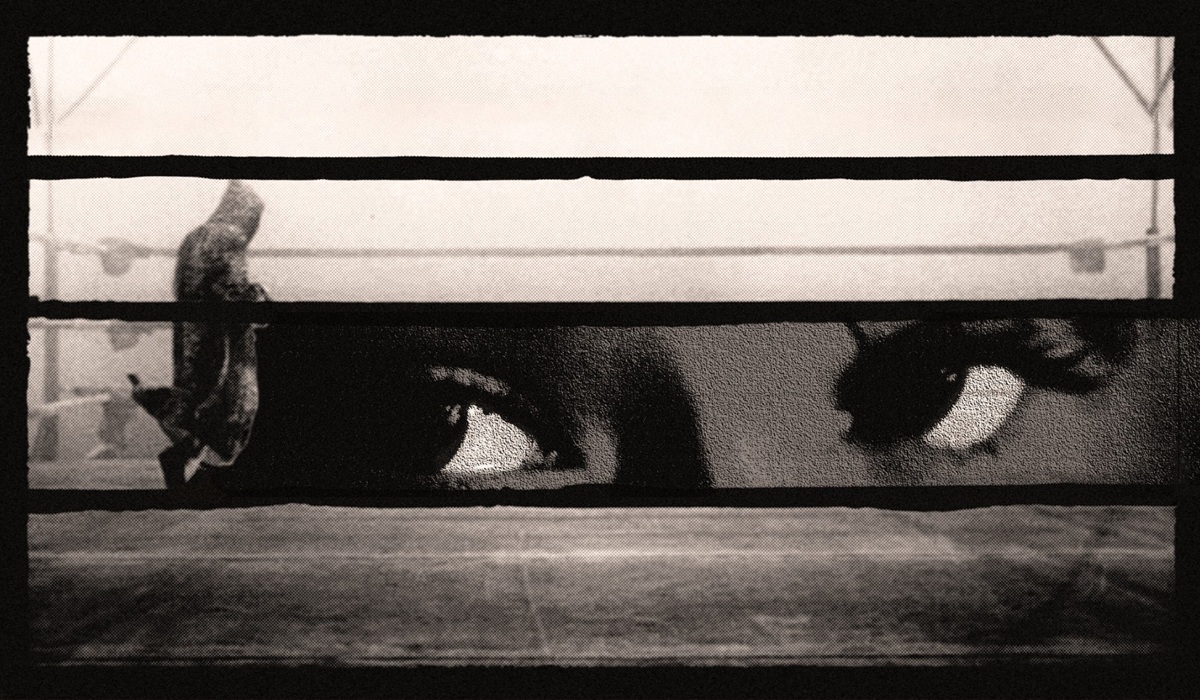
Research by the University of South Wales has uncovered the lost legacies and hidden labours that shape the professionalism of women's boxing, with findings shared in partnership with charity Boxing is Love.
Led by Dr Sarah Crews, Associate Professor of Performance and Physical Culture, From Undercard to Headliner is the first study of its kind, focusing on the voices, experiences, and histories that are often overlooked in the sport.
Funded by the Leverhulme Trust, the project outcomes have supported the curriculum development work of Boxing is Love – the official charity of global boxing apparel brand Boxraw – which aims to use boxing as a mechanism for positive change across 14 countries around the world.
As the charity's Academic Advisor, Dr Crews has helped Boxing is Love to develop resources to support children and young adults who typically struggle in, or fall out of, mainstream education and public services.
Her research provides diverse perspectives on women's boxing, delving into the multi-layered challenges female boxers experience in the ring and on social media, and exploring boxing as more than a sport: a space for identity, expression, and belonging.
Drawing on interviews and personal stories from boxers, coaches and media professionals, the project shows that women's boxing is held together by hidden labour – logistical, emotional, and representational work that is essential to participation, yet rarely recognised or rewarded.
By combining research with storytelling and community-building practices, this work reframes boxing from a traditionally male-dominated sport to an inclusive space for women and girls from all walks of life.
The research also shows that women remain deeply committed to boxing because of what it offers, with participants describing the sport as a source of confidence, clarity, and pride, and as a space where strength is shared rather than individualised.
Dr Crews said:
“When we talk about women's boxing, we celebrate visibility – the breakthroughs, the headlines, the historic firsts. But behind every moment of progress is a huge amount of hidden labour. Women don't just train, they organise their own sparring, travel long distances and pay out of pocket, just to compete. They build gym cultures, support networks and entire pathways that the sport itself doesn't yet provide. And while women hold boxing together through this invisible work, they also carry the emotional and aesthetic labour of staying visible, credible, marketable enough to be taken seriously. It's presence, but it's costly presence. At the same time, women experience absence in the structures around them; fewer opportunities, inconsistent support, gendered scrutiny and the expectation that they should feel grateful for inclusion at all. Women's boxing looks like progress, but that progress rests on labour that the sport still sometimes refuses to see. And until that labour is recognised, the future of the sport will continue to depend on women absorbing the cost of being included.”
Shelley Lee, Director of Programmes at Boxing is Love, added:
“Women's boxing has come a long way, but much of that progress has been built on work that still goes largely unrecognised and unrewarded. As a charity working across the UK and internationally to use boxing as a vehicle for social change, we know the sport's impact only goes so far if the structures around it continue to fail the people within it. Sarah's expertise is helping us make sure our work doesn't replicate those same patterns.”