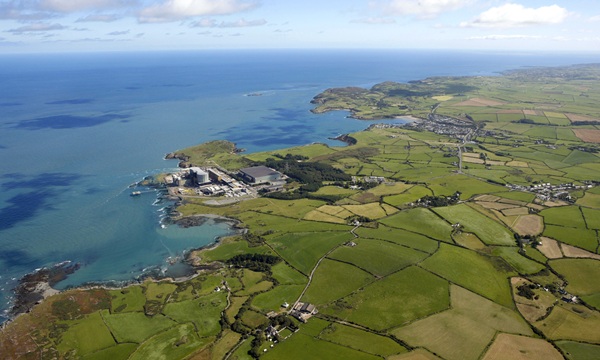







The Interim Environmental Protection Assessor for Wales (IEPAW) is calling on the Welsh Government to take urgent action to ensure Natural Resources Wales (NRW) monitors the condition of all protected sites in Wales by 2030.
IEPAW is an independent body that reviews how environmental law works in Wales and advises ministers on how to improve it. Its latest report, Protected Sites in Wales, warns that Wales cannot meet its biodiversity and climate goals – including those set out in the Environment (Wales) Bill, the Nature Recovery Action Plan for Wales and the Well-being of Future Generations (Wales) Act 2015 – without immediate steps to strengthen how protected sites are monitored, managed and safeguarded.
Protected sites are areas designated in law because they contain wildlife, habitats or geological features of national importance. The most common type in Wales is a Site of Special Scientific Interest (SSSI), which identifies places with rare species, important habitats or unique natural features.
The report findings highlight several significant concerns, said IEPAW. There was a 17-year gap between full assessments of protected sites, with the most recent comprehensive review taking place in 2020 following the previous one in 2003. Around half of all SSSI features were recorded as being in “unknown” condition because there was not enough evidence to assess them.
Of the features that were assessed, only 20 per cent were found to be in favourable condition, while 30 per cent were in unfavourable condition and 50 per cent were not in a desired state. In addition, 97 per cent of SSSIs were designated before updated guidelines were introduced in 2013, meaning the protected site network was never designed as a coherent system to support long-term nature recovery, IEPAW said.
Professor Lynda Warren, Interim Environmental Protection Assessor for Wales, said:
“We know that many of these sites are not in good condition and there are many others where there are insufficient data to be able to assess their condition. This is clearly not an acceptable state of affairs.
“We believe that considerable thought needs to be given to defining targets that will drive action towards meeting the overall aim of a network of protected sites in favourable condition.”
The investigation drew on evidence from conservation bodies, environmental NGOs, farming groups, planning specialists and NRW. It concluded that while the legal framework for SSSIs has limitations, the most urgent need is investment in proper monitoring, targeted management and effective enforcement.
The report makes 19 recommendations in total. Five key themes are:
- Make monitoring of protected sites a statutory duty for NRW, with funding to ensure every site is assessed at least once every six years and results are reported annually.
- Set a national target to determine the condition of all SSSIs by 2030, creating a complete and reliable baseline for nature recovery.
- Publish a strategic, costed action plan to bring SSSIs into favourable condition, aligned with the upcoming Environment Bill.
- Extend civil sanctions so NRW can require restoration of environmental damage without needing a prosecution.
- Expand and properly resource Land Management Agreements to support long-term conservation across both SSSI land and surrounding areas.
Professor Warren said resourcing is now the essential challenge, saying:
“The single most important requirement is not for a change in the law relating to protected areas but a much greater willingness to devote sufficient resources to provide for effective management of sites now and for ongoing monitoring.”
IEPAW warns that without immediate action, Wales risks falling short of its statutory biodiversity targets and its wider commitments to nature recovery and climate resilience.