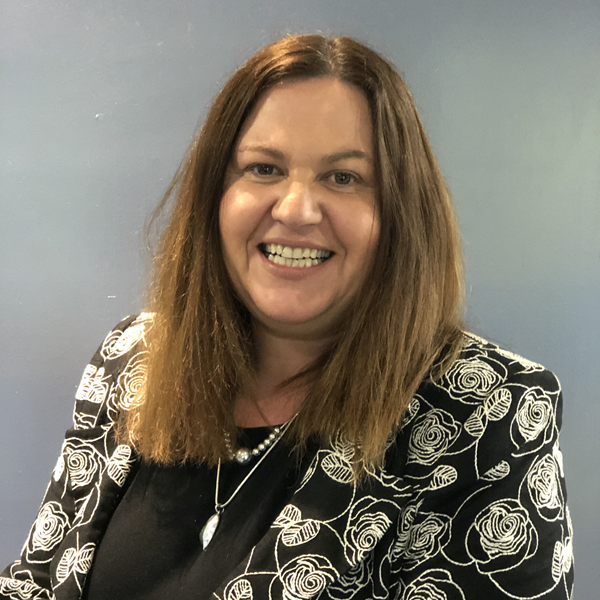
Advanced manufacturing has long been part of the economic fabric of Mid Wales, but the pace of change means we need to think carefully about how we support the next generation of talent. As Chair of the Advanced Manufacturing Cluster within the Mid Wales Regional Skills Partnership, my focus is on making sure the sector has the skills it needs to grow, now and in the future.
One of the most pressing issues is the ageing workforce. Businesses across the region are clear that they need to spark interest among young people and help them understand what modern engineering looks like. Careers guidance at the right time makes a real difference, particularly in a sector where roles have evolved and where technology plays a bigger part than ever.
Encouraging girls and young women into engineering is another important priority. Our latest figures indicate a significant imbalance, and we want to see more women choosing engineering and seeing it as a viable and rewarding career. Much of our work with schools focuses on inspiring interest in STEM at an early age.

The Cluster provides a forum where manufacturers can come together to discuss these issues openly. For several years, businesses have been telling us that training provision has not always met their needs, either in terms of current requirements or future growth plans. By working collectively, companies can be more specific about what they need from further education colleges and training providers, and this helps providers plan more effectively. The aim is a more cohesive skills system where the needs of employers, learners and providers are clearly understood.
Technology such as the innovative platform Careers in 360 can play an important role in that system. Advanced manufacturing is a broad term covering a wide range of businesses, and it can be difficult for people to picture what it actually involves. A digital tool that lets someone step into workplaces and see the variety of roles available helps demystify the sector. It gives young people a better understanding of what is on their doorstep, and it shows that they do not need to leave the region to find high-quality career opportunities. For those thinking about a career change later in life, it also offers an accessible way to explore options without having to travel or commit upfront.
The message we hear repeatedly from our members is that visibility matters. Mid Wales is home to some excellent engineering firms, but they are not always well known outside their immediate communities. If we want to attract talent, we need to improve how people discover these businesses and the roles they offer. A platform that allows someone to see inside a factory or workshop offers a practical way to start changing perceptions.
Over the next five years, my hope is that we will see higher numbers of apprenticeships at Levels 3 and 4 across the region, and ultimately more degree-level opportunities linked to the sector. I also want to see progress on the proposed advanced manufacturing centre in Newtown, which would give the region an important focal point for skills, training and collaboration. If we can continue strengthening the relationship between businesses and providers, and if we make the most of tools that help broaden access to careers information, we will be in a much stronger position to secure the skills the sector needs.
Mid Wales has the ambition and the potential. Our task now is to ensure the skills system is aligned with that ambition and gives people every reason to build their careers here.
Ceri Stephens talks about this and more in the Unlocking Mid Wales podcast episode Connecting Learners and Employers in Mid Wales. Listen to the podcast here.