




GUEST COLUMN:
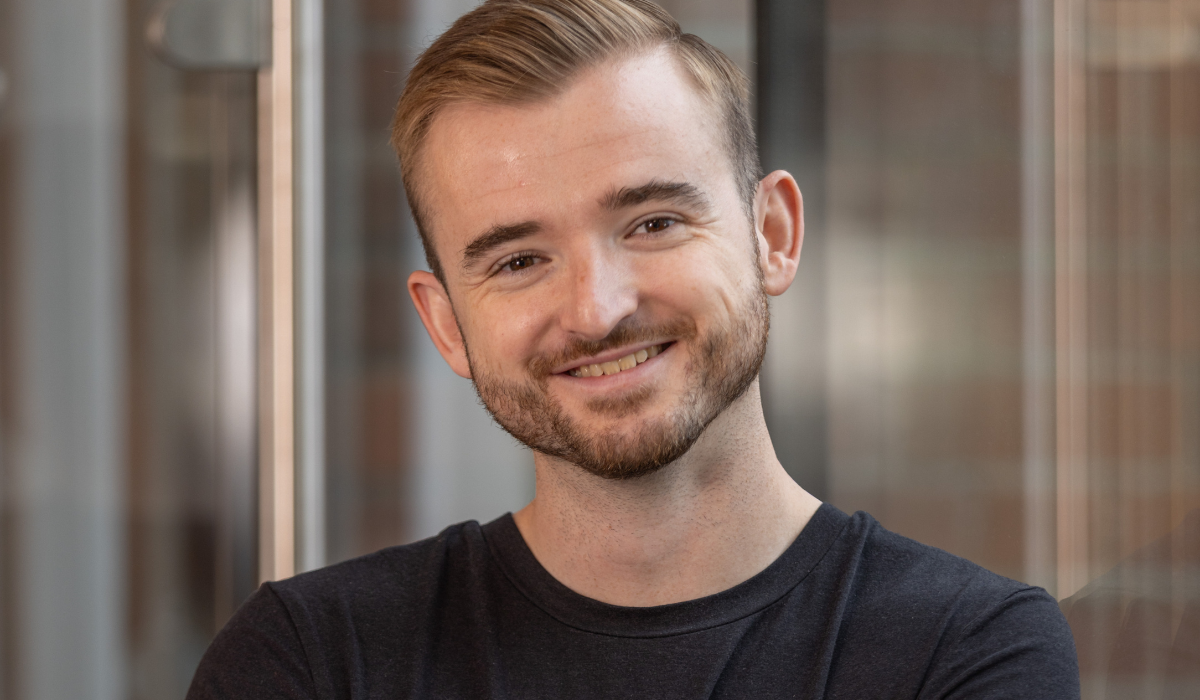
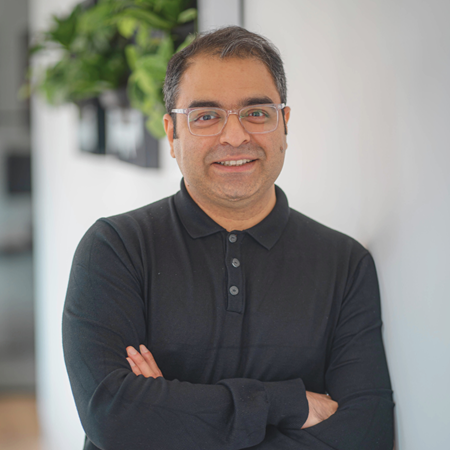
Ammar Akhtar
Founder and CEO
Final Rentals

Whenever the topic of artificial intelligence comes up, the conversation almost always turns to jobs. Will AI replace people? Will it change industries forever? These are important questions, but I believe there is another risk that we are not paying enough attention to.
It is not only about AI replacing what we do. It is about AI slowly reducing what we can do.
The quiet danger of convenience
I have noticed how often I now rely on technology for the smallest things. Directions, recommendations, even structuring a message or searching for ideas. At first, this feels like freedom. But the more I lean on it, the more I wonder what effect it is having on my brain.
Our brain is like a muscle. If we stop challenging it, it loses strength. Every time we solve a problem, remember something, or figure out a way forward, we are exercising it. When we let AI take over those small tasks, we remove opportunities for our mind to stay sharp. Over time, creativity, problem-solving and adaptability, the very things that define us as humans, can weaken.
Why neurobics matter
This is why I believe we need to bring neurobics into our lives. Neurobics is the practice of exercising the brain by breaking routines and exposing it to new challenges.
In my own life, I try to practice this in simple ways. Sometimes I take a different road home even if I know the usual one is faster. At the supermarket, I go to a store I do not usually visit and let myself figure out where things are. I play crosswords and quizzes because they make me recall and connect ideas instead of relying on instant answers. Even brushing my teeth with my other hand has become a small but useful exercise.
These little actions may feel trivial but they create new neural pathways and keep the brain flexible. They help us stay alert and adaptable in a world that tempts us to let machines think for us.
AI as a tool, not a replacement
I am not against AI. In fact, I use it every day and I see how powerful it can be. It saves time, helps me scale ideas, and brings new perspectives. But I also remind myself that it should remain a tool, not a replacement.
If we let AI take over all of our thinking, we risk losing the abilities that make us truly human. The joy of solving something ourselves. The creativity of experimenting. The resilience that comes from struggling with a problem and finally finding the solution.
My call to action
The question is not only whether AI will grow smarter. The real question is whether we will allow ourselves to grow weaker.
If we hand over too much, we may end up comfortable but less capable. If we welcome AI while also making space for neurobics in our lives, we can enjoy the best of both worlds. We can have the efficiency of technology and the strength of a sharp, creative, adaptable human mind.
So let us not only ask how AI will change our jobs. Let us also ask how it is changing our brains. And more importantly, let us take control by challenging ourselves in small ways every single day. Because in the age of AI, protecting and nurturing our natural intelligence may be the smartest choice we can make.