

GUEST COLUMN:
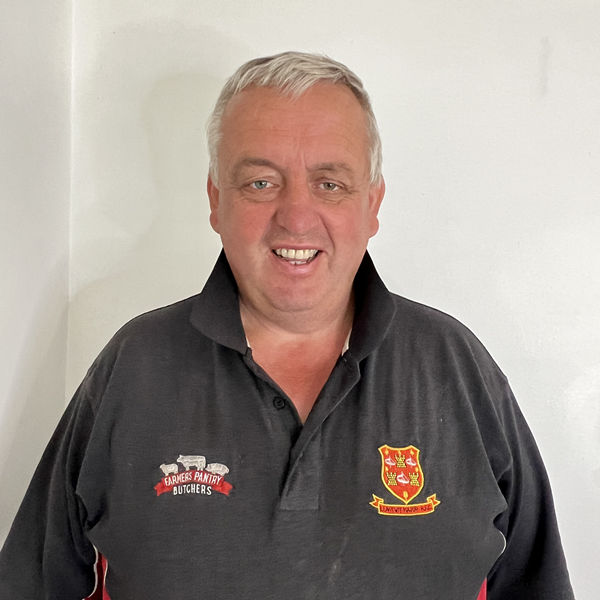
Rhodri Davies
Rosedew Farm

Thirty years ago my wife Gaynor and I arrived at Rosedew Farm in the Vale of Glamorgan with our six-month-old son, Dafi – and the intention of farming. That was the plan – nothing more, nothing less.
We’d bought 300 acres on the South Wales coast and moved into a house in the nearby village, as there was no house on the farm itself. Five years later, we’d built one and moved in properly.
At that time, we were focused on arable crops and contracting, and for a while, that was enough. But farming is never static, and it soon became clear that we needed to think differently if we were going to build something sustainable – not just for us, but for the next generation.
The turning point came around 2010, when we began looking at ways to diversify beyond traditional agriculture. It wasn’t one big strategy. It was a gradual process, driven by necessity and a willingness to try things. One of the first steps was converting our stone barns into holiday cottages. That led, almost organically, to weddings – our first one was in June 2011 – and we haven’t looked back since.
The same mindset applied when I found myself taking over the village butcher’s shop. It wasn’t part of a grand plan. The butcher had been in that shop since leaving school and was ready to retire. Nobody else was stepping in, and someone suggested we use the opportunity to sell our own beef, lamb and pork. We had no experience in retail, but we gave it a go. That was 15 years ago, and Farmers Pantry is now an award-winning business with seven shops across South Wales, soon to be eight, as well as an online and wholesale arm.
Each of our ventures has started with a simple question: why not? Sometimes, it’s about spotting a gap, like with the butcher’s shop. Other times, it’s about necessity. Our woodchip business came from the need to fuel our biomass boiler. We needed chip, so we started processing it. That developed into RDR Woodchip, which now recycles wood from local trades and gardeners and supplies to a major power station at Margam. It’s become a business in its own right, with a dedicated team behind it.
What’s been crucial throughout is staying agile. There’s no fixed blueprint. We’ve had to be ready to spot an opportunity, take a risk, and – just as importantly – know when something isn’t working.
Not everything we’ve tried has stuck, and that’s fine. The key is to be prepared to walk away when needed. Diversification isn’t about spreading yourself thin. It’s about building something that’s complementary and sustainable.
That’s exactly what’s happened here at Rosedew. The wedding business, the accommodation, the campsite, the butchery and the café – they all feed into each other. Quite literally in some cases, with Farmers Pantry produce being served in the café and at weddings. We market them together and they support one another. It creates a resilience that a single enterprise on its own might not have.
It’s also become a family business in the truest sense. Gaynor plays a central role in running the weddings, from meeting couples to making sure everything is spotless for their big day. Delana co-ordinates the weddings and the catering, as well as managing the cafe. Our son Dafi is integral to the farm side of the business. Megan is part of the journey too. Decision making at Rosedew is very much a family process.
Looking back, I think the success we’ve had comes down to mindset. You have to be willing to try something new, even if it’s outside your comfort zone. You have to be honest about what’s working and what’s not. And you have to stay open—to opportunities, to learning, and to change.
We didn’t move to Rosedew with a diversification plan in hand. We moved here to farm. Everything that’s come since has been about building something that works – not just for us, but for our children and their future. It’s taken hard work, a lot of trial and error, and a fair bit of luck. But most of all, it’s taken a readiness to give something a go.
As we mark 30 years here, that’s what I’d say to anyone else thinking about diversification in farming. There’s no one right way to do it. But if you’re open-minded, willing to work hard, and ready to take a few chances, then the opportunities are there. You just have to be prepared to take them.