

Investment in consenting processes is not just about improving efficiency, it’s about creating clarity and confidence for industry, government, and communities.
At Natural Resources Wales (NRW), we’ve already seen how targeted investment and strategic reforms can make a tangible difference, particularly in the marine energy sector and we’re now ready to apply those lessons to onshore and other consenting processes.
Recent work in the marine energy sector has demonstrated the value of a clear, streamlined, and well-resourced consenting process.
Following an end-to-end review of marine consenting, we’ve worked with the Welsh Government to simplify and improve the process for industry partners. The changes have been welcomed by industry, making it easier for developers to navigate the system, secure approvals, and deliver projects at pace while maintaining high environmental standards.
Now, we are focusing on applying those same principles to non-marine consenting processes, covering onshore wind, solar, grid infrastructure, and other critical components of the decarbonisation agenda. This is a significant step forward, and it will require a meaningful increase in investment. NRW and the Welsh Government are committing resources to ensure that non-marine consenting follows a similar path of improvement, streamlining processes, providing greater clarity, and ultimately increasing the pace of project delivery.
A key part of this approach will be ensuring that the system is well-resourced, both in terms of expertise and capacity. This means increasing the number of skilled staff available to engage with developers, offer guidance, and process applications efficiently. But it also means investing in the tools and evidence base that underpin the consenting process.
One of the most valuable lessons from the marine energy sector is the benefit of shared evidence. Too often, developers have to repeat the same studies and commission new evidence for each individual application, even when the underlying environmental context is the same.
We’re now looking at how we can invest in common evidence bases, studies and data sets that can be used across multiple applications. This will not only reduce costs and duplication for developers but also create a more consistent and reliable foundation for decision-making.
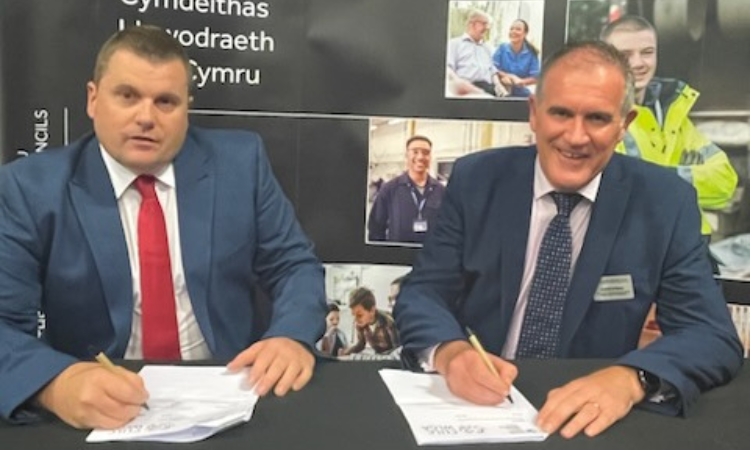
An example of this collaborative approach is the mechanism we’ve established through Net Zero Industry Wales. This allows private sector funding to be pooled and used to commission work of common interest, such as environmental studies, data collection, and strategic planning. By creating this shared resource, we’re helping to reduce the burden on individual developers while ensuring that NRW and other public sector bodies have access to high-quality evidence to inform their decisions. This type of model shows how public and private sector collaboration can unlock bottlenecks and accelerate progress.
What’s particularly encouraging is the level of alignment we’re now seeing across government, industry, and the wider sector. There is a shared sense of purpose and a collective ambition to succeed. It’s rare to see industry, government, third-party organisations, and regulators all pulling in the same direction, but that’s exactly where we are in Wales right now.
Of course, investment alone won’t solve all the challenges. What we’re seeing is more than just a financial commitment, it’s a cultural shift.
There is a growing recognition that early engagement, co-production, and shared responsibility are the keys to success. Regulators are no longer seen as barriers to progress, we are part of the solution. That’s why we’re working harder than ever to engage with industry at the earliest possible stage, offering guidance and helping to shape projects so that they meet environmental and nature standards and secure consent more efficiently.
At NRW, we care deeply about Wales’ future. We see the enthusiasm and determination within the industry and government to drive forward the net-zero agenda. With the right investment, the right expertise, and a continued focus on partnership, we have a real opportunity to make Wales a leader in decarbonisation – setting a benchmark for how economic growth and environmental stewardship can go hand in hand.
Sarah talks about this and more in the recent Net Zero Industries Wales podcast episode “Building the Future – Wales' Path to Clean Energy and Sustainable Infrastructure” listen to the podcast HERE