More than £13 million of transport investment is set to unlock new economic, tourism and connectivity opportunities across Mid Wales as the region moves from long-term planning into delivery.
The Mid Wales Regional Transport Plan, approved by Welsh Government earlier this year, sets out a five-year programme of improvements across Powys and Ceredigion covering active travel, bus infrastructure, electric vehicle charging, road safety and targeted upgrades to key routes and locations.
The plan has been developed through the Mid Wales Corporate Joint Committee, working with both local authorities, Transport for Wales and wider partners. It is intended to provide greater certainty over how projects are developed and funded, replacing a more fragmented approach based on annual grant applications.

Schemes now progressing include active travel improvements in Newtown and Brecon, work on Brecon High Street, bus infrastructure upgrades, expanded electric vehicle charging and improvements to the route between Waunfawr and the IBERS campus in Aberystwyth.
Speaking on Unlocking Mid Wales, the Growing Mid Wales podcast, Cllr Shelley Childs, Cabinet Member for Highways and Environmental Services at Ceredigion County Council, said the five-year framework would make it easier to complete projects requiring several phases of investment.
The longer-term approach is also expected to help align transport investment with wider economic development, including projects emerging through the Mid Wales Growth Deal.
Shelley said new centres of work and education would need to connect effectively with public transport, road networks and active travel routes if businesses were to recruit staff and students were to reach new opportunities.
Cllr Jackie Charlton, Cabinet Member for a Greener Powys and chair of the Regional Transport Plan sub-committee, told the podcast that transport was central to the future of the regional economy.
She said smaller businesses needed confidence that goods could be moved efficiently and that employees could reach workplaces, particularly in rural communities beyond the main towns.
The plan is also being positioned as an opportunity to strengthen the visitor economy. Powys and Ceredigion host major cultural and sporting events, while their landscapes attract visitors interested in walking and cycling.
Jackie said better public transport and active travel links could help visitors move more easily across county boundaries and encourage them to explore more of the region.
Demand-responsive and community transport are also expected to play a greater role, particularly in areas where low population density and long distances make conventional fixed routes difficult to sustain.
Tom Lewis, Regional Transport Programme Manager at Growing Mid Wales, said the plan had already moved into its delivery phase, with schemes progressing on the ground and further projects being developed for future years.
He said transport investment could help young people reach education, apprenticeships and employment, while also supporting ambitions for Mid Wales to strengthen its approach to rural decarbonisation.
Transport for Wales is supporting the plan with technical expertise, transport planning capability and data on how people travel across the region.
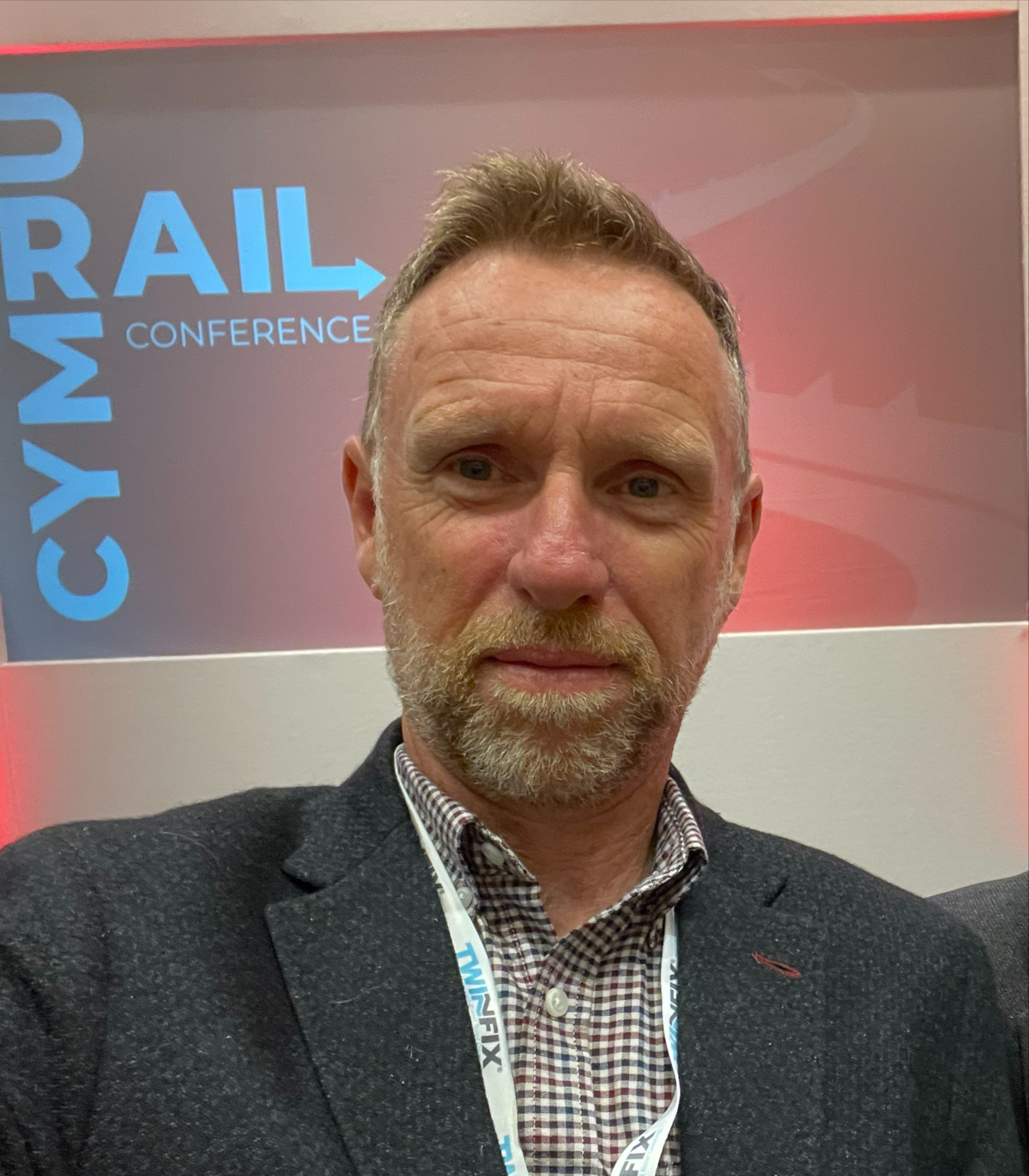
Lee Robinson, Executive Director for Regional Transport and Integration at Transport for Wales, said partnership would be central to creating a more integrated network.
TfW is also working with the Corporate Joint Committee and local authorities to assess how transport choices improve access to services and expand the number of opportunities people can reach within a given journey time.
Hear more on Unlocking Mid Wales, the Growing Mid Wales podcast series. Listen here: