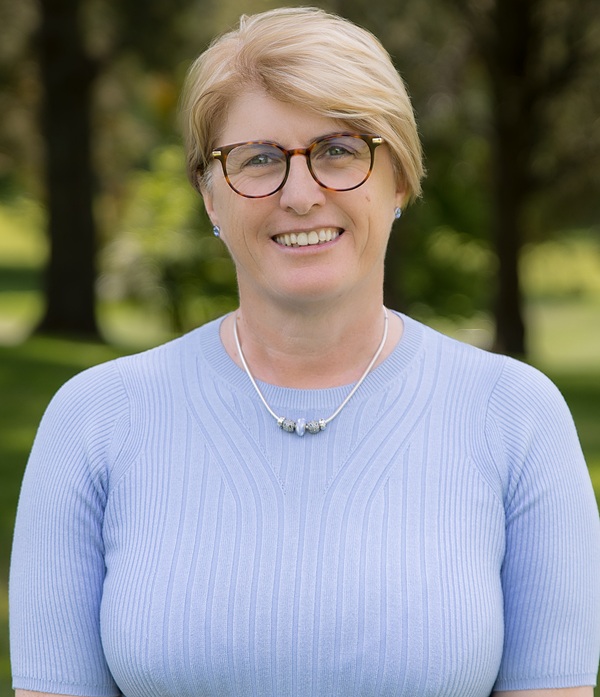
GUEST COLUMN:
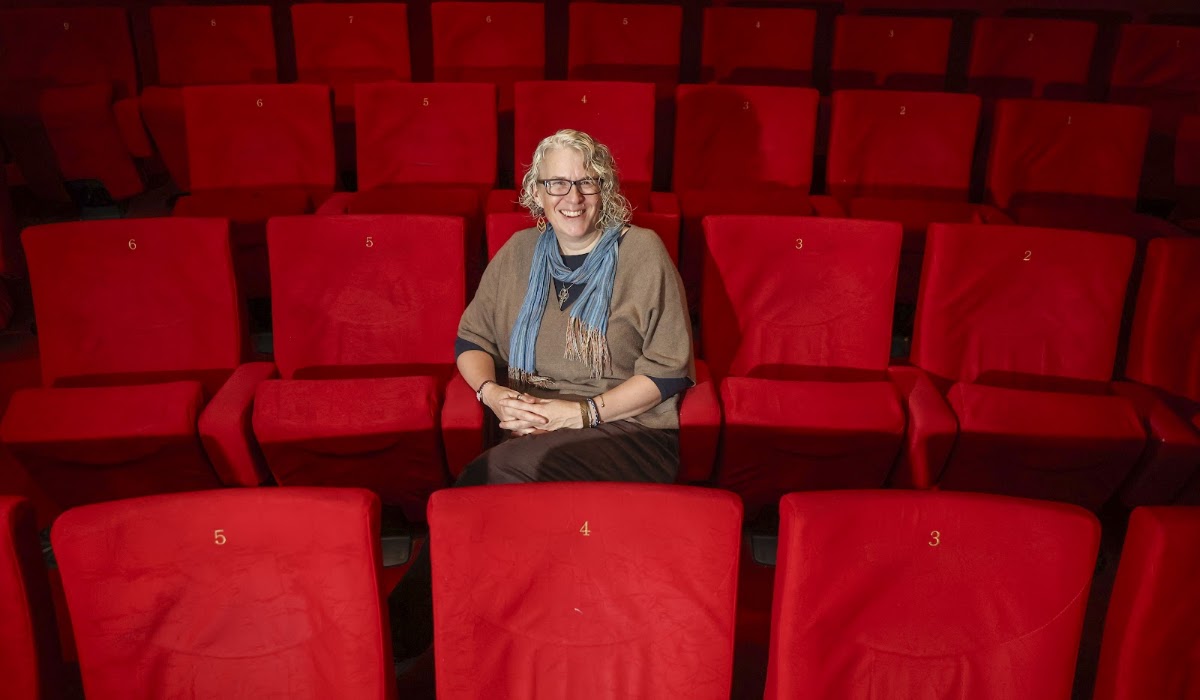
Mel Evans
Director
Insight 6 South Wales

Most business owners believe they know what their customers think of them. They speak to them, deal with their questions and see what they buy. But being close to your customers is not always the same as understanding how they experience your business.
My business tagline is ‘See your world through your customer’s eyes’, because that is where a genuine understanding of customer experience begins. When you are immersed in running a business, it is easy to see the processes, pressures and decisions behind it. Your customer sees something entirely different: how easy you are to find, how you make them feel and whether dealing with you is an experience they would choose to repeat.
Customer experience, or CX, is sometimes treated as another name for customer service. Service is certainly part of it, but the experience begins long before a customer speaks to an employee and continues after the sale has been completed.
Customers must first find a business, decide whether it appears credible and work out how easy it is to make contact. They will form views from its website, social media, online reviews, testimonials, branding and the way it responds to an initial enquiry. Every interaction becomes part of the customer journey.
Thirty years ago, a business owner might have stood outside their premises and considered whether the shop window encouraged people through the door. The modern shop window is much broader. It includes everything a prospective customer can discover online, and the growing use of artificial intelligence to find products and services means the way people search is continuing to evolve.
So the customer journey cannot be mapped once and placed on a shelf. Businesses need to keep reviewing how people find them, how they engage, what happens when they buy and whether they would recommend the experience to others.
This applies to every business, irrespective of sector or size. Large organisations may have a head of customer experience or a customer service department – but that can create the impression that responsibility sits with one team. In reality, customer experience is not a department; it is a culture.
Smaller businesses face a different challenge. Owners are often close to their customers and may speak to them regularly, which can create confidence that they already understand how those customers feel. They are also likely to be managing marketing, sales, finance and operations, leaving little time to step back and examine the business from an external perspective.
When I ask business leaders to describe their customer journey, they will sometimes talk me through their internal process instead. The two are not the same. A process describes what the business does. The customer journey describes what the customer sees, experiences and feels while the business is doing it.
Understanding that distinction requires evidence rather than assumption. Businesses should ask customers how they feel at different stages of the journey – but gathering feedback is only the beginning. They must also use it.
Consumers are frequently asked to complete surveys or leave comments, yet they often receive no indication that their feedback has been considered. Where somebody raises a problem, a business has an opportunity to respond, explain what will change and show that the customer’s experience has influenced its actions.
This all becomes particularly important when trading conditions are difficult. The instinctive response to financial pressure is often to reduce costs – but cuts that make the customer experience worse can reinforce the very problem the business is trying to solve.
Reducing staffing, removing useful points of contact or allowing service standards to decline may save money in the immediate term, but it can also make it harder to attract customers, retain them and encourage them to spend again. During difficult periods, businesses should be asking how they can improve engagement and bring more customers through the door, rather than focusing solely on what can be removed.
In sectors such as leisure and hospitality, customer experience is shaped by details that extend beyond price and product. Customers notice how they are welcomed, whether employees take an interest in them, whether they feel comfortable and whether the service appears thoughtful rather than transactional. Those elements form the wraparound experience that people remember and share.
I will be exploring the customer journey with small businesses at the FSB conference in Swansea in September, but the principle applies equally to sole traders, growing SMEs and major employers. Every customer follows a journey, and every organisation needs to understand how that journey feels from the other side.
Seeing your world through your customer’s eyes is not a one-off exercise. It requires businesses to keep reviewing, listening, acting and adapting as customer behaviour, technology and expectations change.
Mel will be speaking at the FSB South Wales Small Business Conference 2026 on September 2 at the Swansea.com Stadium in Swansea. For more information and to book a ticket visit https://events.fsb.org.uk/en/8d2bI2X7/g/fJqTd8nh8e/fsb-south-wales-small-business-conference-3aJ8Pzc25/overview