I know that our customers want us to deliver better service, by providing more reliable water supplies and a cleaner environment.
Our investment in upgrading the water and wastewater network must deliver on those expectations. Success must be measured by the improvements we make, not simply by the money we spend.
Replacing treatment works, strengthening supply networks and building resilience cannot happen overnight. But the scale of the task is no excuse for asking customers to wait indefinitely. We must show that investment is delivering progress they can see.
This week, we are announcing our interim results, which show that we have invested £294 million in upgrading our networks since April.
By the end of the financial year, that figure will rise to more than £600 million. By 2030, we will have spent more than £4 billion in upgrades and new facilities, our largest investment ever.
That equates to over £2 million a day invested to maintain and upgrade the infrastructure that supports the services we provide.
Cardigan shows what acting on a commitment can look like. In 2023, we set out plans to replace a wastewater treatment works affected by seawater entering the system from the tidal Afon Teifi. Construction began in 2025. The main construction phase is now complete, and we expect to finish the £20 million project ahead of schedule in February 2027. The new facility will improve the treatment process, reduce the amount of wastewater that is spilled during periods of heavy rainfall and improve water quality in the local environment.
It may just be one project, but it is a visible example of a promise moving through planning and construction to delivery.
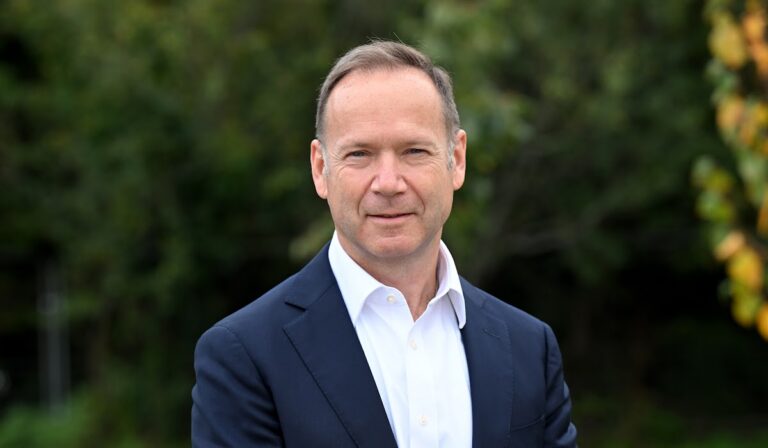
Since becoming chief executive in January, I have been clear that investment must serve a simple purpose: delivering the reliable water and wastewater services that customers rightly expect.
Cardigan is one of around 70 upgrades under way as part of our current investment plan. In Builth Wells, £13 million is going into the wastewater network that will help reduce the risk of sewer flooding while supporting improvements to water quality in the River Wye. At Mold, a £9 million upgrade will increase the volume of wastewater that can receive full treatment and strengthen the reliability of the site for the communities it serves. We completed a £13.2 million project at Usk Reservoir near Sennybridge earlier this month, installing new equipment at the site to strengthen the resilience of the area’s water supply.
These are different projects responding to different local needs, but the standard for each is the same: the money must result in a better service.
We also must prepare for pressures that will outlast any single investment period.
Much of the infrastructure on which Wales depends was built generations ago. It needs to be modernised.
Climate change is bringing hotter, drier periods as well as more intense rainfall. During the hot, dry summer, we put more than one billion litres of drinking water into the system for an unprecedented 40 consecutive days to meet exceptionally high demand.
The proposed Cwm Taf Water Supply Strategy, for which we have submitted planning applications, will be the largest water infrastructure project in our history. Subject to approval, it will strengthen supplies across south-east Wales for decades to come.
Our investment must be accompanied by changes in how we operate as well.
We have introduced a new operating structure, a new focused and accountable leadership team, and begun developing a new long-term strategy informed by more than 6,000 customers, stakeholders and colleagues.
Those changes matter only if they help colleagues prevent problems, respond more effectively when incidents occur and direct resources to the work that will make the greatest difference.
I also recognise the pressure that higher bills place on household budgets. Customers have every right to ask what they are receiving in return. We need to spend every pound wisely and support people who are struggling. Our HelpU tariff helps low-income households who receive benefits by putting a cap on the amount they pay, while the Cymuned fund offers financial support to help working households who are struggling.
The challenge now for us is clear – we must show how projects improve water quality, reduce pollution, strengthen supplies and make day-to-day services more reliable.
I remain committed to turning investment plans into action that deliver better results for our customers.